
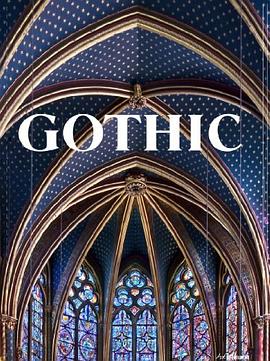

具体描述
"After the global hit Ars Sacra, Rolf Toman and his team embark on a journey once more. The famous French cathedrals of Chartres, Reims and Laon are not the only highlights of this volume. Outstanding treasures of medieval imagery such as religious panel paintings, Madonna statues, illumination and goldsmith art; courtly culture also gets attention.
With his passion and meticulousness, photographer Achim Bednorz succeeded to get details in front of his camera that cannot even be perceived on the original locally. The photographs that are exclusive for this volume are particularly well-presented in their large format.
The author Bruno Klein wrote his take on Gothic history to fit, and swiftly takes the reader into a past medieval world almost forgotten. "
【Review]
"These are the kinds of books that are themselves works of art."
Gothic: Visual Art of the Middle Ages, 1140-1500 by Bruno Klein, Photos by Achim Bednorz
Joining the stunning volume, Baroque: Theatrum Mundi, The World as Work of Art in H. F. Ulmann's new series of art books, The Collection of Art Epochs, is the equally elegant Gothic: Visual Art of the Middle Ages, 1140-1500. Like Baroque, Gothic adopts what the collection's editor Rolf Toman calls "a new modern approach." Earlier books devoted to specific periods of art history approached their subjects academically and encyclopedically "subdividing concentrated specialized knowledge into 'bite-sized portions.'" The new series aims at something broader. It will look at the period internationally. It will look at the wide variety of genres, and it will focus on the interactions between genres. It is an aim that has been achieved with admirable results.
Gothic gives readers a comprehensive description of the art of the Middle Ages by focusing attention on a selection of representative works in all genres from all over Europe. Of course it spends more time discussing architecture than it does decorative art, more time discussing sacred art, than secular: these after all are the hallmarks of the period, and the things that need to be understood to understand the period. As the introduction points out, visual images were important because they were an effective way of communicating "specific ideas and aspirations in durable form." A castle fortress on a hill communicated one thing, a monumental cathedral in the midst of a bustling city something else. This was not l'art pour l'art. Gothic art served a purpose--religious, social, political, perhaps all three.
Based on some excellent photos by Achim Bednorz, the text, by Bruno Klein, tends to focus on a specific work of art as illustrative of this thesis. There will be a photo of the whole work accompanied by sometimes as many as three or four details. When Klein talks about illuminated hunting books, he is less concerned with its aesthetic qualities than with what it is intended to communicate about the value of hunting as a noble pursuit. The allegorical frescoes depicting good and bad government in Siena's Palazzo Pubblico are pointed to for their didactic lesson. While traditional discussions of Gothic architecture will often dwell on structural issues like vaulted ceilings and flying buttresses, Klein is more interested in the effects of the vaulted ceilings on the viewer. Gothic art then is art with a message.
Take for example the discussion of the splendid tomb of England's Edward II. As a monarch Edward was a considerable failure. His reign was one disaster after another. Why then was he accorded such a magnificent tomb in Gloucester Cathedral? The splendid tomb, the text argues, is meant to demonstrate the idea that the idea of king is more important than any individual king, certainly an interesting thesis.
Once again, as I have already pointed out in my review of Baroque, the real glory of Gothic is in the photography. Not only are there full page details of significant works, there are two-page details and even two four-page fold outs. Moreover, digital photo technology has given the photographer new tools to capture the image. Some of the process is described by Bednorz in the brochure that accompanies the book. He takes shots in different lighting and then combines them to produce an accurate visual. In the past for example, as he explains, photos of stained glass windows were able to capture the colors but not the tracery. The new technology allows him to get both. The illustrations of the windows from Notre Dame de la belle verrière and the Passion Window from the Cathedral of Saint-Étiene provided excellent evidence of the effectiveness of the process.
Each volume in the collection runs 568 pages in a 15 x 11 inch format and is bound by hand. They must weigh in over 15 pounds. These are the kinds of books that are themselves works of art.
Review By Jack Goodstein, BLOGCRITICS.ORG
"This visual feast for the soul will appeal to art historians, theologians, armchair travelers or anyone who appreciates art. It sets the bar by which other art publications will be measured and is more then well worth the price."
Book Review: Gothic: Visual Art of the Middle Ages 1150-1500
This stunning volume is every bit as opulent as the Gothic period artwork it depicts and the perfect companion to the equally magnificent Baroque. Both hand bound books weigh in at over sixteen pounds and feature the jaw-droppingly beautiful photography of Achim Bednorz and the concise, knowledgeable text of Bruno Klein. Focusing on the middle ages from 1140 to 1500, the largely illiterate population relied more upon visual representations of important religious events then the printed word and this need drove the Gothic art movement.
As with Ars Sacra, it is the photography that elevates this book into a class of its own. The images of the 1278 brick Albi, Cathedral of Sainte-Cecile with the detailed view of the south portal canopy and the rose window in the Cathedral of St-Nazaire are just a couple examples of Bednorz's art. However, Gothic art is not limited to glorious cathedrals and stained glass windows; there are also exquisitely worked tapestries like The Lady with the Unicorn. This visual feast for the soul will appeal to art historians, theologians, armchair travelers or anyone who appreciates art. It sets the bar by which other art publications will be measured and is more then well worth the price.
Book review by Sandy Amazeen, Nov 20, 2012, Monsters and Critics, www.monstersandcritics.com
"Rolf Toman is the editor of both volumes, and succeeds with his team in presenting not only some superlative works of art, but in presenting the vision -- an emphatically Christian vision -- that animated works of such surpassing ambition that they would be impossible to conceive of today, in a world of technological genius but narrow horizons... The history of art can be spiritual reading, and Ullmann's bold project achieves something of that.
Gothic
ISBN-10: 3848000407
Baroque
ISBN-10: 3848000393
Art and the beauty of faith
One of my favourite insights from Joseph Ratzinger's long life in theology is that the Church does not convincingly propose the faith by the work of theology alone. Before his election as Pope he wrote that in the end the Church only has two compelling "arguments" for her faith being true. The first is the saints who have lived the Gospel fully and who the Church proposes as models of Christian witness. The second is the art that she has nurtured in her midst, her faith expressed in beauty, whether in painting, sculpture, architecture or music. Theology is necessary, but it is holiness and beauty that persuades.
The Church's faith provides to the world this gift, the gift of beauty. We do not live in a very beautiful world. To our world the Church continues to offer from her patrimony the service of beauty. The Church offers to our common life that which is beautiful. Not just art, but beautiful lives, lives of saintly people from every time and place. The role of faith in our common life is to give our contemporaries reasons to look up, to raise the eyes of a disenchanted culture above the daily grime to that which is beautiful. That is the role of the Christian in ugly time, to make present that which is beautiful. Like the biblical steward we bring out our treasures old and new, beauty from our history and from our current circumstance.
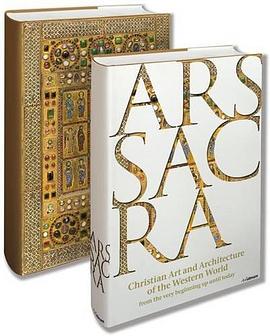
I discovered recently a marvelous publishing project which does precisely that, brings out the treasures of art from Christian history. A few years back the German publisher, h.f. Ullmann, which specializes in high-end art books, the lavishly illustrated tomes about cars, homes, couture, geography, architecture and the like that you might find on the coffee tables of great mansions, decided on a bold experiment. They would produce a mammoth book -- 800 pages, 1,100 photographs, 11 kilograms -- on the entire history of Christian art. Entitled Ars Sacra, it was not a coffee-table book, but a kitchen table book.
It was a most pleasant publishing surprise, that it the age of the Internet a book heavier than a set of twins could sell, and sell well. So last fall, h.f. Ullmann launched an even more ambitious project, a series on the different epochs of art. The first two volumes deal with major periods in Christian art history: Gothic: Visual Art of the Middle Ages 1150-1500 and Baroque: Theatrum Mundi. The World as a Work of Art.
Compared to Ars Sacra, and only relative to that behemoth, are these volumes smaller: 600 illustrations on 600 pages, seven kilograms. These two are to be read at the desk. The publisher sells them for $150, but they can also be ordered online at two-thirds of that price. And, remarkably, both in terms of cost and heft, they are more than good value.
Rolf Toman is the editor of both volumes, and succeeds with his team in presenting not only some superlative works of art, but in presenting the vision -- an emphatically Christian vision -- that animated works of such surpassing ambition that they would be impossible to conceive of today, in a world of technological genius but narrow horizons.
The Gothic volume highlights the magnificent French cathedrals -- Chartres taking pride of place -- whose influence is seen in so many places in Canada. The Baroque volume offers one sacred exemplar -- St. Peter's Basilica -- and one profane -- the Palace of Versailles. In all cases, we see the marvels of what human ingenuity can achieve when it is unconstrained. And the great works of the gothic and the baroque -- even the secular ones -- required a spirit sustained by the transcendent. Otherwise, why build a cathedral or palace that you would never live to see finished, or why decorate exquisitely an obscure part of a ceiling that no one, save for God, would ever see?
We read the lives of the saints so that their holiness might attract us. The Ullmann books are analogous to that, works that move us by presenting the beauty that is born from the faith. Spiritual reading for Lent usually emphasizes the ascetical life. A lavish art book may therefore seem incongruous in Lent, but many of the pages in these books are worthy of meditation on the love of God that can make this sinful world beautiful. The history of art can be spiritual reading, and Ullmann's bold project achieves something of that.
The Catholic Register coverageWednesday, 06 February 2013 16:20 Written by Fr. Raymond J. de Souza
作者简介
罗尔夫·托曼(Rolf Toman),研修德语文学和哲学,德国知名独立出版人和国际知名艺术史研究专家。他曾在一家大型国际出版公司任编辑数年,1992年起成为独立出版人,长期从事文化及艺术史学相关的研究与图书出版工作,并与各国较有影响力的一些大型出版公司有多次深入的合作。与艺术史相关的艺术图书是他的工作重点,多年来组织各地相关专家编著出版过多部与艺术史相关的出版物,并有多部作品被引进中国出版。
阿希姆·贝德诺兹(Achim Bednorz),来自科隆,致力于为建筑与艺术史的出版物拍摄作品图像长达二十多年之久。他将自己定义为“神圣处所的守望者”。
布鲁诺·克莱恩(Bruno Klein),德累斯顿人,曾在柏林、巴黎、科隆及伯恩研修艺术史并在几所欧洲大学及拉丁美洲地区从事研究并执教。自2000年起,布鲁诺·克莱恩成为德累斯顿工业大学哲学学院的教授,讲授中世纪的基督教艺术及古典主义时代晚期艺术。在2006年到2009年间,他在德累斯顿工业大学的人文学院担任教务主任,并于2009年升任为院长。布鲁诺·克莱恩是萨克森科学院和人文学院的成员,艺术史学会委员会的负责人,同时他也是梅泽堡欧洲中心罗马式艺术科学委员会、巴黎法德艺术史论坛以及罗马赫尔茨安南图书馆的成员。
目录信息
读后感
作为画册,此书制作得已经足够好了,也对得起它近千元的价格。但我要吐槽翻译,对于一个亟待从本书中了解哥特艺术的来龙去脉的外行人而言,这书我看十遍,睡着十一遍……。看了一下译者,除注明姓名的六个人之外,还有“中华翻译社”“联合翻译社”,没在百度上查到前者,后者...
评分作为画册,此书制作得已经足够好了,也对得起它近千元的价格。但我要吐槽翻译,对于一个亟待从本书中了解哥特艺术的来龙去脉的外行人而言,这书我看十遍,睡着十一遍……。看了一下译者,除注明姓名的六个人之外,还有“中华翻译社”“联合翻译社”,没在百度上查到前者,后者...
评分作为画册,此书制作得已经足够好了,也对得起它近千元的价格。但我要吐槽翻译,对于一个亟待从本书中了解哥特艺术的来龙去脉的外行人而言,这书我看十遍,睡着十一遍……。看了一下译者,除注明姓名的六个人之外,还有“中华翻译社”“联合翻译社”,没在百度上查到前者,后者...
评分作为画册,此书制作得已经足够好了,也对得起它近千元的价格。但我要吐槽翻译,对于一个亟待从本书中了解哥特艺术的来龙去脉的外行人而言,这书我看十遍,睡着十一遍……。看了一下译者,除注明姓名的六个人之外,还有“中华翻译社”“联合翻译社”,没在百度上查到前者,后者...
评分作为画册,此书制作得已经足够好了,也对得起它近千元的价格。但我要吐槽翻译,对于一个亟待从本书中了解哥特艺术的来龙去脉的外行人而言,这书我看十遍,睡着十一遍……。看了一下译者,除注明姓名的六个人之外,还有“中华翻译社”“联合翻译社”,没在百度上查到前者,后者...
用户评价
这本书给我带来的,是一种前所未有的阅读体验。它不像我平常看的那些小说那样,拥有清晰明确的线索和逻辑。相反,它更像是一幅抽象的画,充满了象征意义和留白,需要读者自己去解读和体会。作者的语言风格非常独特,有时精炼有力,有时又充满了诗意的想象。他擅长运用大量的隐喻和象征,将抽象的情感具象化,让我仿佛能看到那些无形的痛苦和挣扎。故事的叙述方式也非常非传统,有时会跳跃式地切换视角,有时又会在时间线上游走,这反而增加了阅读的挑战性和趣味性。我喜欢这种需要主动参与的阅读方式,它迫使我全神贯注,去思考每一个字句背后的含义。书中对人物内心世界的探索,也达到了一个非常高的境界。他笔下的人物,往往背负着沉重的过去,他们的内心充满了矛盾和挣扎,但又在暗中保持着一种顽强的生命力。这种对人性的深刻洞察,让我对书中的角色产生了深深的同情和理解。这本书让我明白,有时候,最深刻的真相,恰恰隐藏在最模糊不清的言语之中。
评分这本书简直把我带到了另一个世界。从第一页开始,我就被那股阴郁而迷人的氛围深深吸引。作者的文字就像一把锐利的刀,精准地刻画出哥特式建筑的宏伟与腐朽,那些阴森的城堡、荒芜的庄园,每一个细节都让我身临其境,仿佛能听到风在石缝中呜咽,看到月光在古老回廊里投下斑驳的阴影。人物的塑造更是令人称道,他们内心深处的挣扎、对过去的执念,以及隐藏在礼貌外表下的黑暗欲望,都刻画得淋漓尽致。我特别喜欢其中一个角色的内心独白,那种对命运无力感的绝望,又带着一丝对救赎的微弱期盼,让我反复咀嚼,久久不能忘怀。故事情节的推进虽然不像市面上那些快节奏的悬疑小说那样跌宕起伏,但它更像是一场精心编织的网,每一条线索都小心翼翼地伸展,最终汇聚成一个令人屏息的结局。阅读过程中,我时常感到一种莫名的寒意,不是因为恐怖的场景,而是因为那些潜藏在人性深处的幽暗,那种对未知与死亡的恐惧,以及对爱情和失去的复杂情感。这本书的语言也极具特色,充满了古典的韵味,仿佛回到了那个年代,我能想象到那个时代人们的生活方式,以及他们所面临的社会压力和道德困境。
评分初次翻开这本书,我怀着一种近乎朝圣的心情,而它所呈现出的,远超我的期待。作者在描绘场景时,那种细腻得近乎苛刻的笔触,让我脑海中浮现出一幅幅生动的画面。那些维多利亚时代的华丽长裙,闪烁着微光的烛台,以及弥漫在空气中若有若无的香水气息,都仿佛触手可及。故事的基调是如此的忧伤,却又带着一种独特的浪漫,仿佛是凋零在秋日里的玫瑰,即使枯萎,依然散发着迷人的芬芳。角色之间的关系错综复杂,充满了试探与隐瞒,每一次对话都暗藏玄机,让我不得不放慢脚步,仔细揣摩其中的含义。我尤其对那种隐藏在家族秘密中的悲剧性深感触动,它揭示了过去如何像鬼魅一样纠缠着现在,无法摆脱,也无法逃避。书中对于情感的描写,也不同于以往的直白,而是更加含蓄内敛,那种无法言说的爱恋,那种被禁锢的激情,都在字里行间流淌,引发了我内心深处最柔软的共鸣。它不仅仅是一个故事,更像是一首关于失落、关于救赎、关于在黑暗中寻找一丝光明的挽歌。我喜欢这种沉浸式的阅读体验,仿佛置身于书中那个充满谜团的世界,与角色一同经历他们的悲欢离合。
评分我必须承认,这本书比我想象中要更加引人入胜。它营造的氛围非常到位,从一开始就将我拉入了一个充满神秘和不确定性的世界。那种古老的传说、被遗忘的诅咒,以及家族中流传的关于超自然力量的低语,都为故事增添了浓厚的奇幻色彩。作者在构建这个世界时,展现出了惊人的想象力,那些古老的符文、被封印的古籍,每一个细节都充满了吸引力。我尤其喜欢它对历史与神话的融合,它让那些古老的故事不再是纸面上的文字,而是活生生地影响着角色的命运。人物的成长弧线也非常精彩,他们从最初的迷茫和恐惧,逐渐变得勇敢和坚定,在一次次的危机中蜕变。这种成长过程,充满了挣扎和牺牲,但最终却带来了希望。故事情节的设置非常巧妙,看似独立的事件,却环环相扣,最终指向一个惊人的真相。我喜欢这种解谜的过程,仿佛自己也成为了故事中的一员,努力拼凑着所有的碎片,试图揭开隐藏在迷雾背后的秘密。这本书让我重新审视了那些古老的传说,也让我对未知充满了敬畏。
评分这绝对是一本会让你在深夜里辗转反侧的书。它没有惊心动魄的打斗场面,也没有直白的恐怖元素,但它却能以一种润物细无声的方式,悄悄地侵蚀你的神经。作者对于心理描写的深度,简直令人发指。他毫不留情地剖析了人物内心的阴暗面,那些被压抑的欲望、那些无法启齿的秘密,都被赤裸裸地展现出来。读到某些段落时,我甚至会感到一种窒息感,仿佛自己也深陷其中,无法自拔。故事的节奏很慢,但这恰恰是它的魅力所在。每一次短暂的停顿,每一次意味深长的沉默,都充满了张力。我喜欢它那种对社会阶层差异的隐喻,以及在看似平静的表象下涌动的暗流。那些贵族家庭的虚伪与腐朽,那些底层人民的挣扎与绝望,形成了鲜明的对比,让人不得不思考现实的残酷。这本书所探讨的主题也非常深刻,它涉及了忠诚与背叛,爱情与死亡,以及人性的复杂与矛盾。我感觉自己好像在与书中人物一同经历了一场漫长而痛苦的灵魂洗礼,虽然过程充满煎熬,但最终却带来了一种奇异的释放感。
评分在 pageone 默默站着看完的
评分在 pageone 默默站着看完的
评分读完 审美疲劳了。。。
评分在 pageone 默默站着看完的
评分读完 审美疲劳了。。。
相关图书








本站所有内容均为互联网搜索引擎提供的公开搜索信息,本站不存储任何数据与内容,任何内容与数据均与本站无关,如有需要请联系相关搜索引擎包括但不限于百度,google,bing,sogou 等
© 2026 onlinetoolsland.com All Rights Reserved. 本本书屋 版权所有