
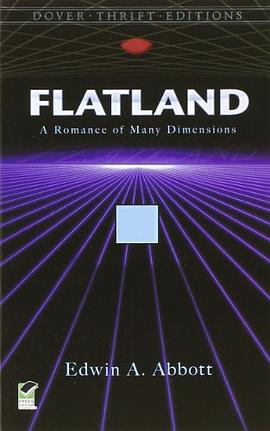

具体描述
'Upward, yet not Northward.' How would a creature limited to two dimensions be able to grasp the possibility of a third? Edwin A. Abbott's droll and delightful 'romance of many dimensions' explores this conundrum in the experiences of his protagonist, A Square, whose linear world is invaded by an emissary Sphere bringing the gospel of the third dimension on the eve of the new millennium. Part geometry lesson, part social satire, this classic work of science fiction brilliantly succeeds in enlarging all readers' imaginations beyond the limits of our 'respective dimensional prejudices'. In a world where class is determined by how many sides you possess, and women are straight lines, the prospects for enlightenment are boundless, and Abbott's hypotheses about a fourth and higher dimensions seem startlingly relevant today. This new edition of Flatland illuminates the social and intellectual context that produced the work as well as the timeless questions that it raises about the limits of our perception and knowledge. --This text refers to an out of print or unavailable edition of this title.
作者简介
From Biography Base:
Edwin Abbott Abbott, English schoolmaster and theologian, is best known as the author of the mathematical satire Flatland (1884).
He was educated at the City of London School and at St John's College, Cambridge, where he took the highest honours in classics, mathematics and theology, and became fellow of his college. In 1862 he took orders. After holding masterships at King Edward's School, Birmingham, and at Clifton College, he succeeded G. F. Mortimer as headmaster of the City of London School in 1865 at the early age of twenty-six. He was Hulsean lecturer in 1876.
He retired in 1889, and devoted himself to literary and theological pursuits. Dr. Abbott's liberal inclinations in theology were prominent both in his educational views and in his books. His Shakespearian Grammar (1870) is a permanent contribution to English philology. In 1885 he published a life of Francis Bacon. His theological writings include three anonymously published religious romances - Philochristus (1878), Onesimus (1882), and Sitanus (1906).
More weighty contributions are the anonymous theological discussion The Kernel and the Husk (1886), Philomythus (1891), his book The Anglican Career of Cardinal Newman (1892), and his article "The Gospels" in the ninth edition of the Encyclopædia Britannica, embodying a critical view which caused considerable stir in the English theological world. He also wrote St Thomas of Canterbury, his Death and Miracles (1898), Johannine Vocabulary (1905), Johannine Grammar (1906). Flatland was published in 1884.
Sources that say he is the brother of Evelyn Abbott (1843 - 1901), who was a well-known tutor of Balliol College, Oxford, and author of a scholarly history of Greece, are in error.
目录信息
Section
1. Of the Nature of Flatland
2. Of the Climate and Houses in Flatland
3. Concerning the Inhabitants of Flatland
4. Concerning the Women
5. Of our Methods of Recognizing one another
6. Of Recognition by Sight
7. Concerning Irregular Figures
8. Of the Ancient Practice of Painting
9. Of the Universal Colour Bill
10. Of the Suppression of the Chromatic Sedition
11. Concerning our Priests
12. Of the Doctrine of our Priests
PART II: OTHER WORLDS
13. How I had a Vision of Lineland
14. How I vainly tried to explain the nature of Flatland
15. Concerning a Stranger from Spaceland
16. How the Stranger vainly endeavoured to reveal to me
in words the mysteries of Spaceland
17. How the Sphere, having in vain tried words,
resorted to deeds
18. How I came to Spaceland, and what I saw there
19. How, though the Sphere shewed me other mysteries
of Spaceland, I still desired more; and what came of it
20. How the Sphere encouraged me in a Vision
21. How I tried to teach the Theory of Three Dimensions
to my Grandson, and with what success
22. How I then tried to diffuse the Theory
of Three Dimensions by other means, and of the result
· · · · · · (收起)
读后感
1、英国人的幽默感总是与众不同,埃德温·A·艾伯特1884年的《平面国》今天看起来仍然充满现实的讽喻,前半本整个就是个数学版本的《1984》,而且更加精干和一针见血。看到圆形教士镇压不规则形领导煽动等腰三角形起义,要求获得平等,觉得如此熟悉。 2、而后半本则提出了更宏...
评分《平面国》(Flatland),英国Edwin Abbott Abbott著,陈凤洁译,原著1884年版,中文版由大连理工大学出版社2013年出版。 这本写于19世纪末的小书,是一个喜欢古典文学和数学的老师Abbott的政治幻想作品,他把一维、二维和三维世界想象成有生命的国度,以一个二维平面国公民的...
评分焦建/文 上完中学的几何课程之后,除了对数学有兴趣的人,估计不会有太多人还对于平面和纬度产生兴趣。作为一种理解更加艰深知识的工具,这些概念被当做一种学习的跳板。我们都记得的公理是——点移动成线,线移动成面,面移动成体。立体图形成为学习的核心,除此之外,其他的...
用户评价
这本书的封面上,那种简约的色彩搭配和略显抽象的图案,瞬间就吸引了我的目光。它没有华丽的图片,也没有夸张的标题,但就是这样一种低调的设计,反而让我觉得它蕴含着一种深邃的力量。拿在手里,那种厚实又略带磨砂质感的纸张,还有淡淡的油墨味,都让我感觉非常舒服,很适合一个人静静地阅读。 它所构建的那个世界,对我而言是一种全新的体验,它似乎是在挑战我一直以来对空间和存在的理解。我常常会思考,我们所处的这个三维空间,是否只是一个更广阔、更复杂体系中的一个局部?这本书,就像为我打开了一扇窥视那个未知领域的窗户。 作者的文笔,非常细腻且富有洞察力。他能够用非常精准的语言,去描绘那些抽象的概念,仿佛他能够直接看到那些我们无法触及的本质。我尤其欣赏他对于一些看似微不足道的细节的描绘,这些细节往往是构建整个故事逻辑的基石。 这本书让我开始重新审视“视角”这个概念。我们总是习惯于从自己的角度去理解事物,但如果我们能站在一个完全不同的“维度”,用不同的“眼睛”去看,会是怎样的景象? 阅读这本书的过程,更像是在进行一场深入的思考。它不是那种让你一口气读完,然后就遗忘的书,而是需要你停下来,反复咀嚼,去体会作者想要传达的深层含义。 它让我对“维度”的理解,不再仅仅局限于物理学上的定义。作者将维度赋予了更广泛的哲学意义,它关乎感知、关乎存在、关乎认知。 作者在构建这个独特的空间体系时,展现了他令人惊叹的想象力和严谨的逻辑。每一个规则,每一个限制,都显得那么自洽,让整个世界观变得非常令人信服。 它让我意识到,我们对世界的认知,很大程度上是受限于我们自身的感知能力和思维模式。很多时候,我们之所以无法理解某些事物,并非因为它们本身不存在,而是因为我们缺乏相应的认知工具。 这本书的叙事结构,也非常有特色,它不是简单的线性推进,而是通过一些巧妙的关联和转折,让整个故事显得更加引人入胜,也更具深度。 总而言之,这是一本真正能够触动人心的书籍。它不仅仅提供了阅读的乐趣,更重要的是,它拓宽了我的思维边界,让我以一种全新的方式去审视这个世界。我极力推荐给所有对未知充满好奇,并且乐于探索思想边界的读者。
评分这本书的包装和纸张质量都相当不错,拿在手里很有质感,这无疑为阅读体验加分不少。我通常对纸质书籍的触感有一定要求,而这本书在这方面做得相当到位,书页的厚度适中,油墨的颜色也恰到好处,不会过于刺眼,也不会模糊不清。 这本书的排版设计也十分考究,字体大小合适,行间距也恰到好处,保证了长时间阅读的舒适性。我不太喜欢那些过于密集或者过于疏松的排版,它们很容易影响阅读的流畅性。而这本书在这方面找到了一个很好的平衡点,让我在沉浸于故事的同时,不会因为排版问题而感到疲惫。 它所呈现的世界观非常新颖,是我之前从未接触过的。作者似乎能够从一个非常独特的角度去构建一个完整的体系,并且在其中加入了许多令人意想不到的元素。这种原创性是我非常看重的,它让这本书显得与众不同。 我尤其欣赏作者在细节上的处理,每一个小小的描写,每一个看似不起眼的描述,都似乎经过深思熟虑,并且与整体的逻辑紧密相连。这种对细节的打磨,让整个故事更加真实可信,也让读者能够更深入地理解作者想要表达的思想。 这本书让我对“现实”这个概念产生了新的思考。我们通常认为自己所处的“现实”是唯一且固定的,但这本书似乎在挑战这种认知,它让我开始质疑我们对世界的感知方式是否会受到某些限制。 它不仅仅是一个故事,更像是一个思想实验,一个邀请我去参与的思考过程。作者并没有直接给出结论,而是通过叙事来引导读者自行探索和领悟。 这本书所蕴含的哲学思考,让我印象深刻。它触及了一些非常根本的问题,关于存在、关于认知、关于维度。我发现自己在阅读过程中,会不自觉地去分析和理解作者的意图。 这本书的结构安排也很有意思,它不是那种线性叙事,而是通过一些巧妙的转折和联系,将不同的部分有机地结合在一起。这种非线性的叙事方式,反而更能吸引我,让我保持一份好奇心。 它能够引发我对于自身存在和所处环境的深度反思。很多时候,我们都活在惯性的思维模式中,而这本书就像一股清流,冲刷掉了那些陈旧的认知。 总的来说,这本书是一次非常成功的阅读体验。它不仅提供了引人入胜的故事,更在思想层面给予了我深刻的启发。我愿意将其推荐给那些喜欢探索、喜欢思考的读者。
评分这本书的封面设计,以一种极致的简约,传递出一种深沉的力量。它没有炫目的色彩,也没有复杂的图案,只是用一种低调但充满智慧的构图,就成功地吸引了我的全部注意力。拿到手里,那种纸张的质感,以及淡淡的油墨香,都给我带来了一种非常踏实的感觉,仿佛即将开启一段意义非凡的旅程。 它所构建的世界,对我而言是一种全新的哲学体验。我常常在想,如果我们所感知的现实,只是一个更广阔、更复杂系统中的一个有限表现,那么我们是否有可能突破这些限制,去触及那个更真实的层面?这本书,就好像为我打开了一扇通往那个未知世界的窗户。 作者的文字,就像一把精准的手术刀,能够切开那些我们习以为常的认知,并从中剖析出最本质的逻辑。我尤其惊叹于他对抽象概念的描绘能力,他能用最简洁的语言,勾勒出那些极其复杂的思想,并且总是能在不经意间,引发我内心的深层共鸣。 这本书让我开始质疑“视角”的绝对性。我们总是习惯于从自己所处的“维度”去理解一切,但这本书却在不断地提示我,改变视角,甚至改变“维度”,才能看到事物更全面的真相。 阅读本书的过程,与其说是在阅读,不如说是在参与一场深刻的思想对话。作者提出的每一个观点,都像一颗投入平静湖面的石子,激起我思维的涟漪,让我不得不停下来,去仔细思考和权衡。 它彻底重塑了我对“空间”和“存在”的理解。我之前对这些概念的认知,大多停留在物理学的层面,而这本书则将它们提升到了哲学和本体论的高度,让我对“我是谁”、“我身在何处”这些问题有了更深的困惑和探索。 作者在构筑这个独特而又自洽的世界观时,展现了他非凡的创造力和严谨的逻辑。每一个设定,都仿佛经过了精密的计算,即使它们与我们的现实世界如此不同,却依然能够让人信服。 它让我深刻地意识到,我们对世界的认知,是受到我们自身生理和心理局限的。很多时候,我们以为的“客观事实”,可能只是我们大脑为了方便理解而进行的“简化”和“投影”。 这本书的叙事方式,也极具特色,它不是简单粗暴的灌输,而是通过层层递进的铺垫和巧妙的转折,让读者在不知不觉中被引导,去主动地思考和探索。 总而言之,这是一次让我受益匪浅的阅读体验。它不仅在内容上极大地丰富了我的知识,更重要的是,它提供了一种全新的思考方式,让我得以用更广阔的视野去审视这个世界。我真心推荐这本书给每一个渴望智慧,并且勇于挑战自己认知边界的人。
评分这本书的封面,采用了一种极简主义的设计风格,没有过多的色彩堆砌,也没有繁复的图案,但就是这样一种朴素的格调,却传递出一种极具吸引力的神秘感。当我拿到它的时候,那种略带磨砂质感的纸张,以及扑鼻而来的淡淡油墨香,都让我感到一种久违的宁静与期待。 它所构建的世界,对我来说是一种全新的认知体验。我常常在想,如果我们所处的这个现实,仅仅是某个更庞大、更复杂的系统的投影,那么我们是否有可能触及到那个更真实的层面?这本书,恰好就为我提供了一个绝佳的视角来探索这个问题。 作者的文字,就像一位经验丰富的向导,能够用最精准的语言,引导我去理解那些抽象而深奥的概念。我特别欣赏他对于空间关系和物体交互的描述,那些文字不仅仅是在传递信息,更像是在我的脑海中绘制出一幅幅生动立体的画面。 这本书让我开始重新审视“现实”的定义。我们通常认为,我们所能感知到的就是全部,但这本书却在不断地提醒我,我们所处的维度,可能只是一个更大整体中的一个有限切片。 阅读本书的过程,更像是在进行一场深入的智力探险。作者并没有直接给出答案,而是巧妙地设置了许多“线索”,引导我主动去思考、去连接、去发现隐藏在字里行间的深意。 它彻底颠覆了我之前对“维度”的狭隘理解。我之前仅仅将维度视为一个物理学上的概念,但这本书却将其提升到了哲学和存在的高度,引发了我对“存在”本身的深刻思考。 作者在构建这个完全不同于我们现实世界的体系时,所展现出的想象力和逻辑严谨性是令人惊叹的。每一个规则,每一个设定,都显得那么自洽且富有说服力,让这个虚构的世界也变得异常真实。 它让我深刻地意识到,我们对世界的认知,很大程度上受到了我们自身感官和思维模式的限制。很多时候,我们以为的“客观真相”,可能只是我们大脑为了方便理解而进行的主观构建。 这本书的叙事结构,也同样引人入胜。它不是那种线性的、一成不变的叙述,而是通过一些巧妙的转折和关联,让整个故事充满了探索的乐趣,并且能够引导读者不断地思考。 总而言之,这是一次让我受益匪浅的阅读体验。它不仅在内容上极大地丰富了我的知识,更重要的是,它提供了一种全新的思维模式,让我得以用更广阔的视角去审视这个世界。我非常乐意将这本书推荐给所有对未知充满好奇,并且渴望拓展认知边界的朋友。
评分初次翻开这本书,那种纸张的触感就让我感到非常愉悦,它是一种略带粗粝感的细腻,不像某些书那样光滑得有些冰冷。封面设计更是独具匠心,那种低饱和度的色彩搭配,以及那种仿佛蕴含着某种深邃意味的抽象图案,都让我在拿到它的时候,就产生了一种强烈的期待。 它所构建的那个世界,对我来说是一种前所未有的体验。我常常在想,如果我们所感知的现实,只是一个更大、更复杂的系统中的一个投影,那么我们是否有可能触及到那个更真实的层面?这本书,就好像为我提供了一把钥匙,去探索那些未知的可能性。 作者的文字,就像一位技艺精湛的工匠,用最精确的笔触,雕刻出最复杂的概念。我特别欣赏他处理空间关系和物体交互时的描述,那些文字仿佛拥有了立体感,能够在我脑海中清晰地勾勒出画面,让我身临其境。 这本书让我对“现实”的定义产生了动摇。我们通常认为,我们所能看到、听到、触摸到的就是全部,但这本书却在不断地挑战这种观念,它让我去思考,我们是否被某种无形的力量所限制。 阅读这本书的过程,更像是一场耐人寻味的智力游戏。作者并没有直接给出答案,而是巧妙地设置悬念,引导我一步步地去思考,去推断,去发现隐藏在表象之下的真相。 它彻底颠覆了我之前对“维度”的理解。我之前以为维度只是一个物理学上的概念,但这本书却将其提升到了哲学和存在的高度,让我对“存在”本身有了更深层次的思考。 作者在构筑这个虚构世界时,所展现出的想象力是令人惊叹的。每一个规则,每一个设定,都显得那么自洽且富有逻辑,让这个完全不同的世界,也变得异常真实和可信。 它让我深刻地体会到,我们对世界的认知,很大程度上受到了我们自身感官和大脑处理信息方式的限制。很多时候,我们以为的“客观事实”,可能只是我们主观感知的折射。 这本书的叙事节奏把握得相当好,既有引人入胜的铺垫,也有令人拍案叫绝的转折。我发现自己在阅读过程中,会不自觉地加快翻书的速度,想要一探究竟。 总而言之,这是一次非常宝贵的阅读体验。它不仅仅是一个故事,更是一次思想的启迪。它让我以一种全新的视角去审视世界,也让我对未知保持了更多的敬畏和好奇。我强烈推荐给所有喜欢深度思考,渴望拓展认知边界的读者。
评分这本书的封面设计,给我一种回归本源的感觉,它没有过多的装饰,而是用最简洁的线条和色彩,勾勒出一个充满哲学意味的图案。拿到手里,那种扎实的质感,以及书页散发出的淡淡油墨香,都让我感到一种久违的安心。 它所营造的氛围,非常独特,带有一种冷静的观察和深刻的内省。我常常在想,如果我们能从一个完全不同的维度去审视我们所熟悉的世界,会看到怎样的景象?这本书,就给了我这样一个机会。 作者的文字,就像一位经验丰富的向导,带领着我在一个陌生的领域中探索。他能够用最精炼的语言,描绘出最复杂的概念,并且总是能在不经意间,触动我内心深处的某些思考。 这本书让我开始质疑我们对“现实”的定义。我们所认为的真实,是否真的就是全部?还是说,我们只是被困在一个有限的感知框架之中? 阅读的过程,与其说是被动接受信息,不如说是在主动参与一场思想的辩论。作者提出观点,我则在脑海中与之对话,反复权衡和思考。 它让我对“维度”这个概念有了全新的认识。我之前对维度的理解,主要停留在物理学的层面,而这本书则赋予了维度更广阔的哲学和存在意义。 作者在构建这个虚构世界时,展现了他卓越的逻辑能力和惊人的想象力。即使是那些最离奇的设定,也都在他的笔下显得那么真实可信,并且自成体系。 它让我意识到,我们对世界的认知,很大程度上受到我们所处环境和自身生理结构的影响。很多时候,我们以为的“客观事实”,可能只是我们主观感知的映射。 这本书不像是那种一次性的娱乐读物,它更像是一本可以陪伴我长期思考的伙伴。每次重读,我都能从中发现新的启示,对那些原先模糊的概念有更清晰的理解。 总的来说,这本书给我带来了一次非凡的阅读之旅。它不仅在内容上让我大开眼界,更在思维方式上给予了我深刻的启迪。我非常乐意将这本书推荐给那些对世界充满好奇,并且勇于挑战固有认知的人。
评分这本书的封面设计就给我一种莫名的吸引力,它不像那些充斥着华丽插画或醒目标题的书籍,而是以一种极简、沉静的方式呈现。光是那个名字,“Flatland”,就充满了想象的空间。我拿到它的时候,是某个阴雨绵绵的午后,坐在窗边,看着雨滴如何在玻璃上蜿蜒出奇妙的图案。那一刻,我觉得这个名字与我对它的最初印象完美契合。它不是那种会大声喧哗的书,而是需要你静下心来,细细品味的。 它成功地营造出一种独特的氛围,一种超现实与日常交织的奇妙感受。我很难用简单的词语来形容这种体验,它不是那种能让你捧腹大笑的喜剧,也不是让你拍案叫绝的悬疑。相反,它更像是一场缓缓展开的梦境,你身处其中,却又始终保持着一丝清醒的观察者身份。每一次翻开,似乎都能发现新的细节,新的角度,就像重新审视一幅熟悉的画作,总能捕捉到之前未曾注意到的笔触。 这本书的书写方式给我留下了深刻的印象,作者的文字就像一把精密的刻刀,在纸上雕刻出令人惊叹的细节。他能够用最朴素的语言,勾勒出最复杂的概念,这一点在我看来是非常难得的。我尤其欣赏他处理时间流逝和空间转换的方式,那种流畅又带着一丝奇幻的过渡,让我在阅读过程中仿佛经历了一场跨越维度的旅行。 让我着迷的是,这本书让我重新审视了许多我习以为常的日常事物。很多时候,我们都活在自己固有的认知框架里,很少去质疑那些“理所当然”的存在。而这本书,就像一个温柔的提醒,促使我去思考,去探索那些隐藏在表象之下的真实。它不是直接告诉你答案,而是抛给你问题,让你自己去寻找。 我发现自己在阅读过程中,会不自觉地将书中的某些元素与现实生活中的经历联系起来。这种共鸣感,是衡量一本书是否成功的关键因素之一。它不是一本纯粹的虚构故事,它有着某种普遍性,某种能够触及到我们内心深处的情感和思考。 这本书的叙事节奏把握得非常好,有张有弛,不会让人感到枯燥乏味,也不会让我觉得信息量过载。作者能够巧妙地安排情节的推进,让我在好奇心驱使下不断地读下去,同时又能让我有足够的时间去消化和思考。 它提供了一种全新的视角去看待这个世界,一种打破常规、超越局限的观察方式。我很少会读完一本书后,还能如此长时间地沉浸在它的世界里,不断地回味和思考。 这本书的语言风格非常独特,既有学术的严谨,又不失文学的优美。我尤其喜欢作者在描述一些抽象概念时所使用的比喻,它们非常生动形象,能够帮助我更好地理解那些深奥的理论。 这绝对是一本能够激发思考的书籍。它不是那种一次性读完就可以束之高阁的书,而更像是一本可以反复品读的工具,每一次重读都会有新的收获和感悟。 总而言之,这本书给我带来了一次非常愉快的阅读体验。它不仅在内容上让我受益匪浅,更在思维方式上给予了我启发。我强烈推荐给所有对未知充满好奇、乐于探索的读者。
评分初次拿到这本书,就被它那种极简的封面设计所吸引。没有浮夸的色彩,也没有复杂的图形,只有一种沉静的力量在其中弥漫。纸张的触感很舒服,略带一点点粗糙的质感,让我在翻阅时感到一种踏实。油墨的香气也很淡雅,不刺鼻,反而增添了几分阅读的仪式感。 它所描绘的那个世界,对我而言是一种全新的认知体验。我一直对“维度”和“空间”的概念充满好奇,而这本书,就像为我打开了一扇窥视那个未知领域的大门。作者似乎能够从一个非常独特的视角去审视我们所熟悉的一切,并且用一种非常精妙的方式将其呈现出来。 作者的文笔,着实令人赞叹。他能够用最简洁、最精准的语言,去描绘那些我们难以用言语形容的概念。我尤其喜欢他对于一些抽象思想的具象化处理,那些比喻和类比,都显得那么恰到好处,能够瞬间点亮我的思路。 这本书让我开始重新思考“现实”的定义。我们通常认为,我们所能够看到、听到、触摸到的就是全部,但这本书却在不断地挑战这种观念,它让我去思考,我们是否被某种无形的力量所限制,而无法触及到更广阔的真相。 阅读本书的过程,更像是一场深入的智力探险。作者并没有直接给予我答案,而是巧妙地设置了一个个“谜题”,引导我去思考,去推理,去主动地构建和理解那个全新的世界。 它彻底颠覆了我之前对“维度”的认知。我之前对维度的理解,大多停留在物理学上的层面,而这本书却将其赋予了更深层次的哲学意义,它关乎感知、关乎存在,甚至关乎生命的本质。 作者在构建这个完全不同于我们现实世界的体系时,展现了他非凡的创造力和严谨的逻辑。每一个规则,每一个设定,都显得那么自洽且富有说服力,让这个虚构的世界也变得异常真实和引人入胜。 它让我深刻地意识到,我们对世界的认知,很大程度上受到了我们自身感官和思维模式的限制。很多时候,我们以为的“客观事实”,可能只是我们大脑为了方便理解而进行的“简化”和“投射”。 这本书的叙事结构,也同样匠心独运。它不是那种平铺直叙的讲述,而是通过一些巧妙的转折和前后呼应,让整个故事充满了探索的乐趣,也更能引发读者持续的思考。 总而言之,这是一次让我受益匪浅的阅读体验。它不仅在内容上极大地丰富了我的知识,更重要的是,它提供了一种全新的思维模式,让我得以用更广阔的视角去审视这个世界。我非常乐意将这本书推荐给所有对未知充满好奇,并且乐于探索思想边界的朋友。
评分这本书的封面设计,以一种低饱和度的色彩搭配,勾勒出一种内敛而又充满张力的视觉效果。它没有选择那些喧宾夺主的亮色,也没有用过于复杂的光影来制造神秘感。相反,它仅仅通过简单的几何图形和文字的组合,就成功地营造出一种独特的吸引力,让我一眼就爱上了它。 它所构建的世界,对我来说是一种全新的认知体验。我常常会思考,在我们固有的感知模式之外,是否还存在着其他我们无法想象的维度和存在方式。这本书,就提供了一个非常迷人的视角来探索这些可能性。 作者的文字功底非常扎实,他能够用一种非常精准且富有诗意的语言,来描绘那些抽象的概念。我特别欣赏他在处理空间感和比例关系时的描述,那些文字仿佛拥有了立体感,能够在我脑海中勾勒出清晰的画面。 这本书让我对“视角”的重要性有了更深刻的理解。我们看待事物的方式,往往会受到我们自身所处位置和认知局限的影响。而这本书,通过改变叙事的主体和视角,极大地拓宽了我的视野。 它并非一本让你在短时间内就能完全理解的书,它需要你投入时间和精力去消化、去思考。我发现自己在阅读过程中,会不自觉地暂停下来,反复咀嚼某些段落,试图去捕捉作者更深层次的含义。 这本书的叙事方式,有一种独特的魅力,它不是直接告诉你发生了什么,而是通过一些铺垫和暗示,让你自己去发现和连接。这种方式,更像是一种智力游戏,挑战着读者的理解能力。 它在一定程度上颠覆了我之前对二维和三维空间的认知。我一直认为空间是我们能够直接感知的,但这本书却让我开始思考,我们所感知的空间是否只是一个更广阔体系中的一部分。 作者在构建这个世界的过程中,展现出了惊人的想象力。每一个细节,每一个设定,都显得那么严谨且富有逻辑性,尽管它与我们现实世界的规律有所不同。 它让我意识到,很多时候,我们之所以无法理解某些事物,并非因为它们本身难以理解,而是因为我们的认知工具和方法存在局限。 总的来说,这是一本让我受益匪浅的书籍。它不仅仅提供了阅读的乐趣,更在思想层面上给予了我极大的启发。我真心希望更多的读者能够有机会接触到它,一同探索其中的奥秘。
评分当我第一次拿到这本书时,它的重量和纸张的触感就给我留下了深刻的印象。我习惯于在安静的夜晚,泡一杯热茶,然后慢慢地翻阅一本书。这本书恰好能满足我对于阅读仪式感的所有期待,厚实但又不至于沉重,纸页的触感温润,油墨的香气也恰到好处。 它所描绘的世界,是一种与我们现有认知体系截然不同的存在。我常常在想,如果我们所感知的一切都只是一个更宏大、更复杂的系统中的一个投影,那会是一种什么样的体验?这本书,就仿佛为我打开了一扇通往那种可能性的窗户。 作者的文字,就像一种精密的仪器,能够准确地测量和描述那些我们难以捉摸的概念。我尤其被他对数学和几何学的运用所吸引,他能够将这些抽象的理论,转化为生动形象的故事,让读者在不知不觉中被吸引。 这本书让我重新思考了“真实”的含义。我们通常认为我们能够看到、听到、摸到的就是真实,但这本书却在挑战这种简单的定义,它让我去探究,在感官之外,是否还存在着更深层次的真实。 阅读这本书的过程,就像一场智力上的冒险。作者并没有提供现成的答案,而是抛出问题,引导读者一同去思考和探索。我发现自己在阅读的间隙,会反复回味书中的某些段落,试图去理解作者所隐藏的深意。 它颠覆了我之前对维度和空间的概念。我一直以为维度是固定不变的,但这本书却展示了维度之间可能存在的转换和相互影响,这让我感到非常新奇。 作者在构建这个虚拟世界时,展现了他非凡的创造力。每一个规则,每一个设定,都显得那么自洽且富有逻辑,即使它们与我们的现实世界相去甚远。 它让我意识到,我们的认知能力是有限的,我们所能感知和理解的世界,可能只是冰山一角。这本书,就是一次对这种认知局限的有力挑战。 它不仅仅是一个故事,更是一个思想的载体。它促使我去质疑那些我一直深信不疑的“常识”,去探索那些隐藏在平凡之下的非凡。 总而言之,这是一次非常深刻的阅读体验。它不仅在智力上给了我启发,更在思维方式上给予了我全新的视角。我毫不犹豫地将这本书推荐给那些渴望挑战自我、探索未知的朋友们。
评分科幻。但是温和地让人认识自己的局限,引导人开拓视野、转换思维方式,语言简洁生动,算是难得一见的好书。
评分这本书真是令人发颤的好啊,为什么才看到。科幻/讽刺.二维、三维——四维(启发了很多后续作品)不是对女性的蔑视,我比较多理解成反讽,纬度越低越不尊敬女性。一百多年前,老式英语,有一些圣经里面常见的就比较好懂,另一些就有点"古板"了,不知道什么时候背过的"一辈子不会用到"的单词。
评分我们都是不规则三角形
评分很有滋味。对二维世界不仅有逻辑与数学角度的构想(男女以及个体识别),更延伸到了意识形态、思想文化以及宗教信仰等层面(边数决定等级)。比如说Colour Bill Revolution, Purgation of the Irregularities。最有趣还是如何让我们试图理解四维世界。对一维人而言,二维人能看穿其身体内部并将视线扩展;对二维人而言三维人也能“看透”其身体和建筑物,犹如在身体内侧也有眼。就好比理论上任意一高纬度看低纬度世界的感觉都是一致的,但要回溯这个流程,让低纬度一方去设想高纬度的世界就很难。O_O似乎只有在心慌方里见到过对四维世界的简陋演绎。三体所描述的四维视角,我们的五脏六腑变成了一个有眼的单独维度,实在是很难脱离理论从实际层面领会那种奥妙。
评分很有滋味。对二维世界不仅有逻辑与数学角度的构想(男女以及个体识别),更延伸到了意识形态、思想文化以及宗教信仰等层面(边数决定等级)。比如说Colour Bill Revolution, Purgation of the Irregularities。最有趣还是如何让我们试图理解四维世界。对一维人而言,二维人能看穿其身体内部并将视线扩展;对二维人而言三维人也能“看透”其身体和建筑物,犹如在身体内侧也有眼。就好比理论上任意一高纬度看低纬度世界的感觉都是一致的,但要回溯这个流程,让低纬度一方去设想高纬度的世界就很难。O_O似乎只有在心慌方里见到过对四维世界的简陋演绎。三体所描述的四维视角,我们的五脏六腑变成了一个有眼的单独维度,实在是很难脱离理论从实际层面领会那种奥妙。
相关图书










本站所有内容均为互联网搜索引擎提供的公开搜索信息,本站不存储任何数据与内容,任何内容与数据均与本站无关,如有需要请联系相关搜索引擎包括但不限于百度,google,bing,sogou 等
© 2026 onlinetoolsland.com All Rights Reserved. 本本书屋 版权所有