
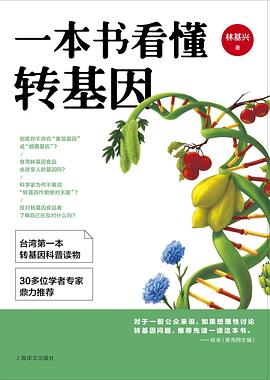

具体描述
到底存不存在“番茄基因”或“细菌基因”?
食用转基因食品会改变人的基因吗?
科学家为何不敢说“转基因作物绝对无害”?
反对转基因食品者,了解自己在反对什么吗?
关于转基因民众有有太多疑惑。
台湾民间公益刊物《科学月刊》的理事长林基兴是台湾科普界的著名作家,一向致力于科学的传播普及工作。《一本书看懂转基因》是台湾第一本转基因科普读物,果壳网主编徐来、黄大昉、罗云波、余淑美等30多位学者专家鼎力推荐。本书就转基因科技发展的历史背景、转基因的相关知识、转基因食品是否安全,以及媒体在转基因知识传播过程中所起的作用,做了深入浅出的分析,对于一般公众来说,如果想理性讨论转基因问题,推荐先读一读这本书。
================================================================
科学家撰写的科普作品,内容浅显通俗,非常好读。内中既有理论的解释,与各种育种技术的横向比较(比如辐照、杂交);也有对质疑的解读,我们在日常生活中能遇到的那些质疑,在这本书里基本上都讲到了;更有对有机农业、可持续农业的深层分析。对于一般公众来说,如果想理性讨论转基因问题,推荐先读一读这本书。
——徐来(果壳网主编)
林基新博士著作《一本书看懂转基因》生动讲述了转基因技术发展的昨天、今天和明天,全文聚精荟萃,意趣盎然,使人很容易领略这一技术的科学真谛和无穷魅力,明白其扩大应用已势在必然。特别是书中对公众关注的“转基因安全”争议问题一一解疑释惑,帮助人们理性思维,摆脱对科学技术发展的虚幻恐惧,更加凸显其拨乱反正的科学传播价值。此外,我相信此书的出版也会对海峡两岸同行开展转基因科学交流和科普宣传起到促进作用。
——黄大昉(中国农业科学院生物技术研究所研究员)
转基因技术是人类应对未来挑战的重要选择,我们应秉承科学的态度,严谨而果断地向前走一步,再一步!
——罗云波(中国农业大学食品科学与营养工程学院院长)
林基兴执掌历史悠久的民间公益刊物《科学月刊》,志在协助台湾科学教育与发展。他的科技素养让他能够深度剖析转基因议题,而因长期关心社会福祉,孕育此书的诞生。
——余淑美(中国台湾“中央研究院”院士)
===================================================================
其他推荐者(排名不分先后):
翁启惠(“中央研究院”院长)
陈文盛(阳明大学生物医学资讯研究所教授)
陈树功(食品工业发展研究所所长)
贺端华(“中央研究院”院士、美国华盛顿大学分子生物学家)
张文昌(“中央研究院”院士、台北医学大学教授)
杨泮池(台湾大学校长、“中央研究院”院士)
潘子明(台湾大学生化科技系教授)
蒋本基(台湾大学环境工程学研究所教授)
魏耀挥(马偕医学院校长暨生物化学教授)
蔡怀桢(台湾大学分子与细胞生物研究所教授)
郑登贵(台湾大学动物科学技术学系教授)
赖明诏( “中央研究院”院士暨分子生物研究所特聘研究员)
丁诗同(台湾大学生物技术研究中心主任)
吴成文(“中央研究院”院士、前卫生研究院院长)
徐源泰(台湾大学生物资源暨农学院院长)
李家维(清华大学生命科学系教授、自然科学博物馆前馆长)
周成功(长庚大学生物医学系客座教授)
翁仲男(台湾动物科技研究所名誉所长)
作者简介
台湾大学化工系学士,美国华盛顿大学工程博士。现任“行政院”科技会报办公室研究员,环保署“非游离辐射预警机制风险评估小组”主席,公益《科学月刊》社理事长,并在台湾大学化工所兼课。通晓法、德、俄、日、英语,著有《电磁恐慌》《为何害怕核能与辐射》。
目录信息
第一章 人是过客,环境长存
生物来去,人类跃升
人口与农业“相互提拔”
生物的进化是必然现象
天择其实是军备竞赛
注重环保:皮之不存,毛将焉附
自然不等于道德
过客,请善待地球
第二章 绝处逢生——分子生物学来相救
还原论已展现威力
基因是什么?
生物本来就共用DNA和蛋白质
没有所谓“番茄基因”或“细菌基因”
基因的改变是进化的基础
转基因的时代背景
转基因是什么?
老祖宗早就在从事“转基因”大业
所谓转基因,其实取之于自然
分子农场崛起
第三章 转基因食物安全吗?
担心DNA作怪
“实质等同”观念
转基因产品需不需要标示?
背上“科学怪食”的辱名
你听过食品上喷洒病毒吗?
为何过敏?
转基因导致蜜蜂消失?
专题报道一:台湾的转基因现况
第四章 合作代替对抗
该问“是否永续”,而非“是否有机”
“天然”的诱惑:当心中毒!
扯入宗教就吵不完
民众不必担心转基因混淆荤素食
其实要担心的是食品遭受外来污染
专题报道二:卫生福利部的叮咛
第五章 基因流动与杂草问题
基因流动是什么?
防止基因流动的策略
“超级杂草”并没啥超级
转基因作物没比非转基因作物更伤环境
第六章 反转基因的源头
预警原则是什么?
风险认知:应尽量用几率来表达
基因科学家的理性约束
“绿色和平”吹皱一池春水
不论事实如何,反转基因者就是反对
消费者的态度
欧洲为何有反转基因风潮?
转基因食品公民会议
专题报道三:转基因技术的其他妙用
第七章 望风披靡与众口铄金
媒体的威力:风吹草掩
三代转基因作物各有目的
转基因更有利于开发中国家
反转基因者最爱传播的谣言
苏力菌的故事
大鼠被谁伤到?
玉米风波,乌龙连连
肯尼亚个案的省思:民生科技不敌政治
丑化转基因的例子:基因使用限制技术
留心知识产权问题
为何弄得只剩跨国大公司从事转基因?
民调的用字遣词,能操纵民意
曲终 化作春泥更护花
不熟转基因科技者,请谨慎发言
误解科技的悲剧
渐露曙光:合作产生力量
浓浓的谢意
附录一:与转基因相关的世界规范
附录二:评估转基因安全性的技术细节
附录三:发表前再确认
附录四:参考文献
· · · · · · (收起)
读后感
没有更多的湿地、树林被开垦成田园,林间有更多动物、植物,更大的生物多样性;没有积肥的异味,没有化肥的投入;同样没有农药残留,也就有了更大的安全保证;更多的产量,更少的人力投入,用有限的土地喂养更多的人口……千百年来,人类一直作着这样的美梦。自新石器时代的“...
评分没有更多的湿地、树林被开垦成田园,林间有更多动物、植物,更大的生物多样性;没有积肥的异味,没有化肥的投入;同样没有农药残留,也就有了更大的安全保证;更多的产量,更少的人力投入,用有限的土地喂养更多的人口……千百年来,人类一直作着这样的美梦。自新石器时代的“...
评分脱口秀——美国转基因土豆会如何杀死我们? http://my.tv.sohu.com/us/212871023/79821226.shtml?qq-pf-to=pcqq.discussion
评分没有更多的湿地、树林被开垦成田园,林间有更多动物、植物,更大的生物多样性;没有积肥的异味,没有化肥的投入;同样没有农药残留,也就有了更大的安全保证;更多的产量,更少的人力投入,用有限的土地喂养更多的人口……千百年来,人类一直作着这样的美梦。自新石器时代的“...
评分脱口秀——美国转基因土豆会如何杀死我们? http://my.tv.sohu.com/us/212871023/79821226.shtml?qq-pf-to=pcqq.discussion
用户评价
Ce qui m'a vraiment frappé dans ce livre, c'est la manière dont l'auteur a réussi à déconstruire un sujet aussi complexe et souvent controversé que les OGM. Au lieu de se perdre dans des détails techniques arides, il a choisi une approche plus holistique. Il a commencé par poser les bases, expliquant ce que sont les gènes et comment ils fonctionnent de manière si claire que même un novice complet en biologie pourrait comprendre. Puis, il a progressivement introduit le concept de modification génétique, en utilisant des exemples concrets pour illustrer son application dans divers domaines, de l'agriculture à la médecine. Ce que j'ai trouvé particulièrement précieux, c'est la façon dont il a abordé les préoccupations du public. Il n'a pas balayé les inquiétudes d'un revers de main, mais les a examinées avec sérieux, en expliquant les recherches scientifiques qui sous-tendent ces préoccupations et les mesures prises pour y remédier. Le ton est mesuré et informatif, sans être condescendant. On sent que l'auteur souhaite réellement éduquer le lecteur, lui donner les outils nécessaires pour naviguer dans ce débat complexe et se forger sa propre opinion éclairée.
评分我拿到《一本书看懂转基因》这本书的时候, estaba un poco escéptico (estaba un poco escéptico), porque el tema de los organismos genéticamente modificados (OGM) es tan polarizante y a menudo rodeado de desinformación. Pensé que probablemente sería otro libro que tomaría una postura extrema, ya sea defendiendo ciegamente la tecnología o demonizándola por completo. Sin embargo, para mi sorpresa, el libro adopta un enfoque sorprendentemente equilibrado y matizado. El autor dedica una parte considerable a explorar las diferentes perspectivas, presentando los argumentos tanto de los defensores como de los críticos de los OGM. Me impresionó la forma en que se expusieron los beneficios potenciales, como el aumento del rendimiento de los cultivos, la resistencia a las plagas y la mejora del valor nutricional, sin dejar de lado las preocupaciones legítimas sobre la seguridad alimentaria, el impacto ambiental y las cuestiones socioeconómicas. El estilo de escritura es directo y accesible, lo que permite a alguien sin formación científica comprender los complejos debates éticos y científicos involucrados. Me sentí capacitado para formar mi propia opinión informada, en lugar de simplemente aceptar la información que me daban.
评分When I picked up "Understanding GMOs in One Book" (《一本书看懂转基因》), I was expecting a dry, technical manual. My mind conjured images of dense scientific jargon and complex molecular diagrams. However, the reality was a pleasant surprise. The author has a remarkable talent for weaving technical information into a narrative that is both engaging and remarkably clear. It’s as if they anticipated every question I might have and answered it preemptively, but in a way that felt organic to the flow of the text. The book doesn't just present facts; it explores the "why" behind them. For instance, when discussing gene editing, it doesn't just state that it's possible; it explains the underlying biological mechanisms in a way that makes sense, even for someone like me who hasn't taken a biology class in decades. The analogies used are particularly effective, making abstract concepts tangible and easy to grasp. I found myself nodding along, thinking, "Ah, *that's* how it works!" It’s a testament to the author's skill that a topic as potentially intimidating as genetic modification can feel so approachable and even exciting.
评分这本书的名字叫《一本书看懂转基因》,我一直对这个话题很感兴趣,但总觉得市面上很多资料要么太专业,要么过于简化,很难找到一个既能深入浅出又能准确把握核心概念的读物。这本书的出现,恰好满足了我的需求。它不像某些学术专著那样堆砌晦涩难懂的术语,也没有像一些科普文章那样流于表面,抓不住重点。作者用了一种非常巧妙的叙述方式,仿佛在和我这个普通读者面对面交流。从最基础的基因是什么,DNA如何工作,到转基因技术是如何一步步发展起来的,每一个概念都循序渐进,逻辑清晰。我特别喜欢它解释“转基因”这个词本身的时候,没有直接给出定义,而是通过一个生动的比喻,让我瞬间就明白了这项技术的核心原理。书中还穿插了一些历史故事和科学家的小趣闻,让整个阅读过程不那么枯燥,反而充满了人情味。虽然我还没有深入到技术细节,但仅仅是前期的铺垫,就让我对转基因技术有了一个非常扎实的基础认识,感觉自己真的迈入了理解这个复杂领域的第一步。
评分Honestly, I've always been a bit intimidated by the whole GMO discussion. It feels like there's so much conflicting information out there, and it's hard to know who or what to believe. I picked up "Understanding GMOs in One Book" (《一本书看懂转基因》) with the hope of gaining some clarity, and I have to say, it delivered. What struck me most was the author's commitment to providing context. Instead of just diving into the "how," the book spent a significant amount of time explaining the "why" – the historical development of agriculture, the challenges farmers face, and the driving forces behind the development of genetic modification technologies. This broader perspective made the technical aspects much more understandable and relevant. It wasn't just about swapping genes; it was about addressing real-world problems. The book also did an excellent job of separating scientific consensus from public perception, highlighting areas where research is robust and where more investigation is needed. It felt like a guide that empowers the reader to critically evaluate information, rather than just presenting a one-sided argument.
评分不仅适用于普通大众,而且作为科研工作者也能从中学习很多。 科学和理性是这个时代进步的阶梯,而这些素质需要慢慢培养,不能急于求成,润物细无声。
评分如果想理性讨论转基因问题,推荐先读一读这本书。
评分1,瑞士医生与植物学家帕拉塞尔苏斯:万物均有毒,关键是剂量。2,1965年诺贝尔生理医学奖得主、法国生物学家雅各布:所有的光明都会有阴影,所有的善均包含恶。3,转基因科技就是相当深钻的知识,若无相当的素养,恐怕难有正确的认知。
评分感觉内容拼凑的比较多,不算写得好,但是至少能抵挡那些转基因谣言
评分正经科普作品,就是书名太那个,不过想想这书期望的受众就是那些在书店里专挑书名很那个的读者,似乎也挺好的。
相关图书



本站所有内容均为互联网搜索引擎提供的公开搜索信息,本站不存储任何数据与内容,任何内容与数据均与本站无关,如有需要请联系相关搜索引擎包括但不限于百度,google,bing,sogou 等
© 2026 onlinetoolsland.com All Rights Reserved. 本本书屋 版权所有