

具体描述
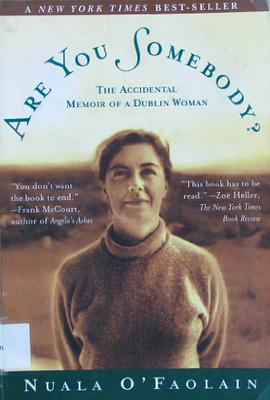
Amazon.com Self-preservation did not come instinctually to Irish journalist Nuala O Faolain. One of 9 children--her mother had 13 pregnancies in all--she grew up in the 1940s and 50s in a defeated Dublin household. Her reporter father seems to have spent his time and money, and even love, elsewhere--and as the family grew more isolated and unable to cope, alcohol became her mother s only way out. "One of the stories of my life has been the working out in it of her powerful and damaging example in everything," the author admits, "Nothing mattered to her except passion." Some of O Faolain s siblings emphatically didn t make it, but she was lucky to find refuge in books. They have been a defense, a comfort, and a delight. Does her memoir then follow the standard rags-to-self-acceptance trajectory? Are you wondering if perhaps you can give it a miss, and in fact send the entire genre on a well-deserved vacation? Don t. Are You Somebody (the title unaccountably lost a question mark somewhere between the Irish and American editions) offers a wrenching account of childhood and a highly provocative take on the sexual and professional situation of Irish women. Though literature made O Faolain, the male-dominated literary life and industry certainly didn t, and she now gives it more than a few body blows. It was a world in which writing and drink mattered far more than women: "The literary Dublin I saw lied to women as a matter of course and conspired against the demands of wives and mistresses.... Women either had to make no demands, and be liked, or be much larger than life, and feared." Irish women didn t seem to know to look for, let alone demand, equality. O Faolain miraculously avoided pregnancy; but others were not so blessed. "Lives were ruined at that time, thousands and thousands of them, quite casually.... They were hotly pursued, and half longed to yield, but they were not able to defend themselves against pregnancy, and they were destroyed if they got pregnant." For all her energy and ambition and good fortune (and she needed this trio to jump her family s "sinking ship" and avoid getting pregnant), O Faolain fell for the cant that she must marry, have children, and serve. Some will be initially shocked by her assertion that she was lucky never to have had a child. "Childbearing, along with bad education, relationships that managed to be simultaneously all-absorbing and rewarding, and financial dependence--these were the enemies of promise. But that s not why I m glad; I didn t think of myself as having promise. I m glad because under the old system it was so easy to rear children badly. The child wouldn t have properly survived." Yet the 70s enabled her to break out of the assumptions and realities of Irish women s lives, not to mention her yearning to be like "the troubled, rich, English upper-class people in books." At the end of her memoir, O Faolain knows she finally is, in fact, somebody. Still, those who don t recognize her see her only as a single, middle-aged woman. Like children, such individuals "aren t supposed to kick up." Thanks to this bracing book, the author gets to permanently do so. The writing exercise has answered some of her questions and some of her fears, but O Faolain is too honest not to admit that for others there is no response or cure. She leaves us wanting to know more about her life but grateful that she has allowed us in. --This text refers to an out of print or unavailable edition of this title. From Library Journal Irish Times columnist O Faolain seeks to understand the events of her life by baring her soul to the world in a memoir of her experiences with love and loneliness and her journey of self-discovery. This autobiography is unlike most others in that O Faolain s frank and open examination speaks to both American and European audiences. Transcending her rural Irish childhood (one of nine children, an alcoholic mother, and a philandering father), she tries to find purpose through reading, education, and a career rather than the traditional life of wife and mother. Despite winning scholarships to University College, Dublin; the University of Hull; and, finally, Oxford University, she drifts in and out of relationships, believing that her salvation will come with marriage and motherhood. We travel with her through the intellectual scene in Dublin during the 1950s and the yet traditional Oxford of the 1960s, against the backdrop of the rising feminist movement. O Faolain is simply swept along, asserting herself but not really knowing why or to what end. Alcoholism and depression take their toll, but she fights her way back. The author speaks of events and predicaments that are universal: the need for purpose in life; the search for satisfaction; and the desire we all have to be somebody. Donada Peters s Irish brogue adds just the right air of authenticity to make this a rich and wonderful listening experience. Poignantly honest and profoundly memorable, this program is highly recommended for all public and academic libraries.AGloria Maxwell, Penn Valley Community Coll., Kansas City, MO Copyright 2000 Reed Business Information, Inc. --This text refers to an out of print or unavailable edition of this title. See all Editorial Reviews
作者简介
目录信息
读后感
用户评价
这本书的哲学底蕴深厚得令人敬畏,但它令人称奇的是,这种深刻的思辨完全没有脱离“人”的范畴。它探讨的宏大命题,最终都落脚于个体最微小、最真实的体验上——比如一次失败的约会,一次无望的等待,一次对童年记忆的模糊捕捉。作者似乎非常擅长捕捉那些人类共有的,却又常常被我们忽略的“存在瞬间”。整本书弥漫着一种对“真实”的追问,但它提供的不是形而上的解答,而是关于如何“忍受”不真实的日常的指南。我发现自己读这本书的时候,会不自觉地停下来,去回忆自己生命中那些关键的转折点,思考当时的自己,究竟是“谁”,又想成为“谁”。这种强烈的代入感,并非来自角色与我相似的经历,而是源于作者对人类普遍情感的精准拿捏。最后几章的收束,处理得尤其高明,它没有给出任何圆满的结局,而是将那个最终的谜团,轻柔地放置在了读者的手中,暗示着探寻永无止境。这让我对作者的敬佩更深一层,他给予的不是一个答案,而是一把通往更多思考的钥匙。
评分我是一个对情节驱动型的小说非常着迷的读者,通常我追求的是那种一页接一页停不下来的快感,但这本书提供了一种截然不同的阅读体验,它更像是对人性的慢炖和深挖。它没有那种传统意义上的“高潮迭起”,相反,它在平静的叙述中蕴含着巨大的张力。我花了比平时多一倍的时间来读完它,不是因为我理解不了,而是因为我舍不得读得太快。作者对“等待”这一主题的探讨达到了一个全新的高度。书中的许多关键情节,都发生在漫长而无声的等待中,但作者却能把这种等待描绘得惊心动魄。我尤其欣赏作者对于“沉默”的运用,很多时候,人物之间最深刻的交流并非通过语言,而是通过眼神的交汇、肢体的微小动作,甚至是空气中凝固的尴尬。这要求读者必须全神贯注,去解读那些未说出口的台词。这本书的书评区里,大家似乎都在争论某一个模糊不清的象征意义,这正说明了它的深度和开放性。它不像某些畅销书那样提供明确的答案,而是提出更深刻的问题,让你带着疑问,久久无法释怀。它更像是一面镜子,映照出我们自身在面对不确定性时的真实反应。
评分坦白说,这本书的结构是极其大胆和前卫的。它不断地打乱读者的预期,在叙事视角上玩着令人眼花缭乱的把戏。你以为你已经摸清了谁是叙述者,谁是观察者时,作者会突然给你一个强烈的、来自第三方的冷峻视角,瞬间瓦解你已建立的认知基础。这种结构上的创新,使得阅读过程充满了探索的乐趣,仿佛在解一个精心设计的迷宫。我特别喜欢作者对于时间线的处理,它不是简单地倒叙或插叙,而是将过去、现在和一种潜在的未来,以一种交织缠绕的方式呈现出来,让人感觉到历史的重量是如何压在当下的每一个瞬间。有些段落,信息密度极高,需要反复阅读才能完全吸收其背后的多重含义,这对于习惯了快速消费内容的现代读者来说,无疑是一种挑战,但绝对是值得投入精力的。读完之后,我感觉自己的“阅读肌肉”得到了极大的锻炼,对叙事逻辑的敏感度都提高了。它成功地打破了传统小说的界限,向着一种更接近意识流或者多媒体体验的方向迈进,但又恰到好处地保持了文本的可读性,没有陷入纯粹的晦涩。
评分这本书的语言风格简直像是一首流动的交响乐,充满了节奏感和层次感。我很少遇到能将如此复杂的思想内核,用如此轻盈且富有诗意的文字表达出来的作者。它不像某些严肃文学那样佶屈聱牙,反而带着一种老派的优雅和现代的锐利。我记得有一段描写主角在清晨的雾气中穿行于古老的街道,那种“光线被湿润的空气切割成无数个破碎的几何图形”的比喻,让我猛地停下翻页的动作,回味了足足五分钟。作者似乎对每一个词语都有着近乎苛刻的选择标准,多一个则赘余,少一个则失神。这种精雕细琢,使得阅读过程变成了一种享受,一种对语言艺术的朝圣。故事的进展并非线性叙事,它更像是无数个碎片被作者用一种无形的丝线串联起来,读者需要自己去捕捉那些隐藏的关联和伏笔。这种“留白”的艺术,恰恰给了读者巨大的想象空间,让每个人都能在其中投射自己的理解和情感。更妙的是,作者似乎对不同的社会阶层和历史时期有着深刻的洞察力,他笔下的人物对话,完全符合他们所处的时代背景,没有丝毫的腔调错位。读完一个章节,我常常会合上书本,望着窗外发呆,脑海中自动播放着书中描绘的场景,那种沉浸感是其他许多作品无法比拟的。
评分这本书的封面设计简直是视觉的盛宴,那种深邃的蓝色调配上烫金的字体,拿在手里就有一种沉甸甸的历史感。我是在一个朋友的书架上偶然瞥见它的,那一刻,我立刻被吸引住了。它的装帧工艺非常考究,纸张的质感也出奇地好,即使用指腹轻抚,也能感受到那种细腻与厚重。初读时,我本以为会是一部晦涩难懂的哲学著作,毕竟书名本身就带有一种探寻存在的意味。然而,作者的叙事方式却出乎我的意料,他巧妙地编织了一个个看似无关却又暗流涌动的故事线。我尤其欣赏他对环境描写的细腻,那种烟火气和历史的尘埃感扑面而来,仿佛能闻到旧书页上的霉味和远方炉火的余烬。书中对人物内心世界的剖析,更是达到了近乎残忍的坦诚。那些角色身上的挣扎、矛盾与渴望,都赤裸裸地呈现在读者面前,让人忍不住反思自己生命中的那些未解之谜。全书的气氛把握得极佳,时而如暴风雨前的宁静,压抑得让人喘不过气,时而又豁然开朗,带来一种洗涤心灵的畅快感。这本书的排版也处理得非常人性化,字体大小适中,行距留得恰到好处,即便是长时间阅读,眼睛也不会感到疲惫。我甚至特意买了一盏台灯来配合阅读这本书的氛围,这在我的阅读经历中是极其罕见的。
评分 评分 评分 评分 评分相关图书










本站所有内容均为互联网搜索引擎提供的公开搜索信息,本站不存储任何数据与内容,任何内容与数据均与本站无关,如有需要请联系相关搜索引擎包括但不限于百度,google,bing,sogou 等
© 2026 onlinetoolsland.com All Rights Reserved. 本本书屋 版权所有