

具体描述
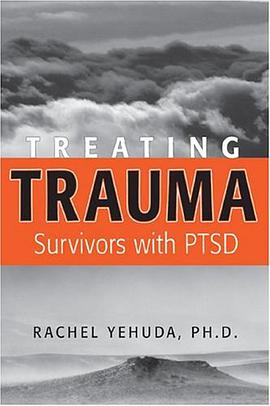
In recent years, considerable research, as well as clinical guidelines based on study findings, has been published on the treatment of posttraumatic stress disorder (PTSD). A gap remains, however, between the controlled environments and protocols used in intervention research and the more complex and often imperfect settings and situations that clinicians must navigate in daily practice. Moreover, clinicians routinely see patients whose comorbid substance abuse, self-destructive behavior, or medical illness would likely exclude them from research studies. In short, although the extensive literature is certainly helpful in articulating the various treatment modalities available to clinicians, the strength of the evidence for the efficacy of the treatments, and the recommendations and personal preferences of experts, the literature does not address the real-life dilemmas that clinicians face in attempting to treat trauma survivors.What is needed is a way to bridge the gap between research and practice-to "translate" study findings into everyday clinical realities. "Treating Trauma Survivors With PTSD" answers that need. Its authors, experienced researchers and clinicians who are at the forefront of conceptual discourse on trauma and PTSD, are uniquely qualified to offer guidance on these issues. Among the specific topics covered are the following: Diagnosis and assessment of and treatment planning for trauma survivors with PTSD, including clinical presentations related to trauma exposure and PTSD and the implications of comorbid symptoms and disorders Treatment matching in clinical practice-how treatment outcome findings can be used to develop profiles for predicting which patients are most likely to respond to which treatments Medications useful in the treatment of PTSD and the strength of the empirical evidence for their efficacy Trauma in children and the efficacy of various treatments, including a discussion of how treatment for children differs from that for adults Assessment and treatment of multiply traumatized patients-those with both recent trauma and a history of childhood trauma or abuse Treatment of trauma survivors in the acute aftermath of traumatic events, including a review of some of the exciting developments in the field regarding risk factors (e.g., normal vs. pathological coping responses) that influence which individuals are most likely to develop PTSD after such events. These topics have never been more relevant than now, in the wake of the attacks that shook our country on September 11, 2001. It is the authors' hope that by reading this book, mental health practitioners will gain more confidence in applying the specialized techniques described in empirical studies to their own practices and clinical realities.
作者简介
目录信息
读后感
用户评价
这本关于创伤幸存者治疗的书籍,简直是为那些在黑暗中摸索的心理健康专业人士点亮了一盏指路明灯。我尤其欣赏作者在描述创伤后应激障碍(PTSD)的复杂性时所展现出的那种细腻与深刻。书中对不同类型创伤及其对个体功能影响的剖析,让我这个临床新手都能迅速建立起一个清晰的认知框架。它不仅仅停留在理论层面,更是深入到实践操作的每一个细节。比如,关于如何评估一个对治疗持抗拒态度的幸存者,书里提供了一套循序渐进、充满人文关怀的策略,而不是那种生硬的、一刀切的临床指南。那种强调个体化治疗路径的理念,贯穿始终,让我深刻体会到,真正的有效治疗,必然是建立在对受创个体独特故事的深度尊重之上的。它教会我的,是如何在专业性和共情之间找到那个微妙的平衡点,让治疗室不再是冰冷的诊断场所,而是安全的修复港湾。读完之后,我感觉自己对那些看似无法触及的痛苦,多了一份理解,少了一丝恐惧。
评分这本书的结构设计非常巧妙,它没有把焦点仅仅放在创伤发生后的“急性处理”上,而是花费了大量篇幅来讨论“创伤后的复原力建设”和“意义的重建”。对我而言,这才是真正有价值的部分。许多工具和技巧书都偏重于如何稳定化症状,但这本书更进一步,探讨了幸存者如何能够超越“不再受苦”的状态,真正地“生活”起来。例如,书中对“后创伤成长(Post-Traumatic Growth)”的探讨,不是空泛的口号,而是结合了叙事疗法和存在主义哲学,提供了一种非常深刻的视角。它鼓励治疗师和来访者共同去发掘,创伤在带来痛苦的同时,也可能在某些方面催生出意想不到的力量和新的价值观。这种关注“潜能”而非仅仅“病理”的视角,极大地提升了我作为一名咨询师的工作动力和专业视野。这是一本真正能激发思考和改变实践的书。
评分老实说,我最初翻开这本书时,是带着一种怀疑的态度的。我过去读过一些关于创伤治疗的书,它们常常把重点放在快速“治愈”上,似乎总想把一个破碎的人迅速拼凑回他们“原本的样子”。但这本书完全颠覆了我的这种期待。它不谈“治愈”,而是强调“整合”与“赋能”。作者非常坦诚地讨论了治疗过程中的挫败感,以及当幸存者陷入慢性复原和停滞时,治疗师该如何调整心态和策略。对我触动最大的,是其中关于“羞耻感”与“罪疚感”的章节。它不仅仅是描述这些情绪,而是提供了一整套细致的、旨在解构这些核心信念的干预路径。这些路径强调的不是理论上的理解,而是通过体验性的练习,让来访者在安全的容器中,重新书写自己的叙事。这本书让我明白,面对创伤,我们需要的不是英雄主义,而是坚韧的、耐心的陪伴。
评分我是一个资深的社工,常年与处于危机边缘的家庭打交道,深知“创伤”这个词背后所蕴含的巨大能量和破坏力。坦白说,市面上关于PTSD的书籍汗牛充栋,但大多要么过于学术化,充斥着我不需要的神经生物学名词,要么就是过于简化,像一本速成手册。然而,这本著作的独特之处在于,它巧妙地融合了扎实的实证研究基础与高度可操作性的干预技巧。最让我耳目一新的是它对“身体记忆”和“解离”现象的处理部分。作者没有用那种高高在上的口吻去“纠正”来访者的体验,而是引导读者去理解这些看似怪异的反应,其实是生命在极端压力下为了生存而发展出的适应机制。我立刻在下周的工作中试验了书中提到的一个非语言沟通技巧,效果立竿见影,来访者紧绷的身体明显放松了许多。这本书就像一位经验丰富的前辈,站在你的身侧,在你进行高风险干预时,提供及时的、精准的“战术支持”。
评分作为一名正在攻读心理治疗硕士学位的学生,我常常觉得理论和实际应用之间存在一道难以逾越的鸿沟。直到我接触到这本书,我才真正理解了什么叫做“知行合一”。这本书的叙事风格非常吸引人,它没有采用那种刻板的章节划分,而是更像一场深思熟虑的对话。其中关于“多重创伤(Complex Trauma)”的论述,尤为精彩。作者没有把复杂创伤仅仅视为“多次”的单独创伤事件叠加,而是深入探讨了它如何重塑了一个人的自我认知、依恋模式乃至世界观。书中引用的案例虽然经过了艺术化的处理,但其核心的临床困境却是如此真实,让人感同身受。特别是它对“移情与反移情”在处理长期被忽视或虐待幸存者中的微妙动态的分析,简直是一面透镜,让我得以清晰地审视自己内心深处可能存在的偏见和局限。这本书,是我书架上最常被翻阅的那一本,上面已经布满了我的批注和折角。
评分 评分 评分 评分 评分相关图书










本站所有内容均为互联网搜索引擎提供的公开搜索信息,本站不存储任何数据与内容,任何内容与数据均与本站无关,如有需要请联系相关搜索引擎包括但不限于百度,google,bing,sogou 等
© 2026 onlinetoolsland.com All Rights Reserved. 本本书屋 版权所有