

具體描述
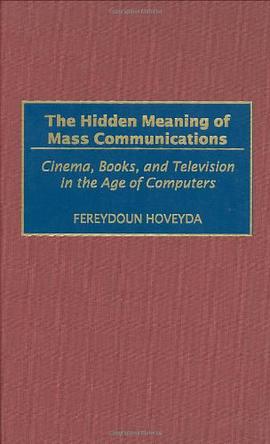
In 1917, the French poet Guillaume Apollinaire predicted the death of books in one or two centuries and their replacement by film and sound. In the early sixties, Marshall McLuhan proclaimed the end of the Gutenberg Galaxy. Neither of these predictions has yet happened. Nonetheless, the development of computer science and the spread of the Internet have already changed the landscape of the media and affected the fields of book publishing, journalism, cinema, and television. In his new book, Hoveyda, who was involved with cinema and literature for many years, scrutinizes the relationship between the different forms of media and art. Drawing on his varied experience as well as on his knowledge of the arts and media, he explains how cinema literally existed before literature or articulate language, and that all other forms of communication stem from this innate capability to think cinematically. Looking at the extraordinary technological developments in the fields of cinema, television, and communications, Hoveyda finds a hidden purpose behind them; a kind of common thread that illustrates and explains the quest of humans for communication. As far back as one can go, Hoveyda finds that humans were always preoccupied with the question of how to communicate what was going on in their minds. They tried--and found--ways of transmitting to one another the impressions and ideas churning in their heads. Prehistoric cave drawings, hieroglyphs, literature, and canvas paintings were and are part of such attempts. This progression of inventions seems to pursue a linear path toward externalization of their people's thoughts and dreams. The pinnacle of this externalization will be reached when it becomes automatic and foregoes the use of heavy equipment. Bunuel once told the author and his friends that he dreamt of the day when he would sit in a darkened room and project on a wall the film he was concocting in his head. This is exactly the goal of the technological progress we witness. Hoveyda's survey also includes a description of the evolution of modern cinema as he witnessed it; some new and revolutionary remarks about film appreciation and filmmaking; discussion of television and how it differs from cinema; and observations on the impact of media on one another as well as the influence of the more recent technologies on narration styles. A provocative account that will be of interest to scholars, researchers, students, and anyone involved with the development of communications.
作者簡介
目錄資訊
讀後感
用戶評價
我一直對那些能夠深入挖掘社會錶象之下運作邏輯的書籍充滿瞭興趣。當我看到《The Hidden Meaning of Mass Communications》的書名時,立刻就被吸引住瞭。我總覺得,我們每天被各種各樣的大眾傳播信息包圍著,從新聞、廣告到娛樂節目,這些信息絕不僅僅是簡單的信息傳遞,它們背後一定有著更深層次的含義和目的。我希望這本書能夠帶我進入一個全新的視角,去理解這些信息是如何悄無聲息地影響著我們的思想、觀念,甚至是我們的社會結構。我設想,這本書可能會探討傳播者是如何利用各種技巧和策略,來塑造受眾的認知,從而達到他們的目的。也許它會剖析一些經典的傳播案例,揭示其中的“隱藏意義”,讓我能夠看到那些我們平時容易忽略的細節。我渴望從中獲得一種能夠辨彆信息真僞、理解信息背後邏輯的能力,讓我能夠在這個信息爆炸的時代,不被輕易左右,保持獨立的思考。
评分一直以來,我對那些能夠揭示事物本質和深層運作機製的書籍情有獨鍾。當我看到《The Hidden Meaning of Mass Communications》這個書名時,我的內心就産生瞭一種強烈的共鳴。我深信,我們每天所接觸到的海量信息,絕非隻是簡單的事實陳述或者娛樂內容,它們背後往往隱藏著更為復雜的設計和目的。我迫切地想知道,這本書會如何深入剖析這些大眾傳播媒介,例如電視、廣播、報紙、互聯網和社交媒體,是如何在我們不自知的情況下,塑造我們的價值觀、世界觀,甚至是我們對社會現實的認知。我期待它能揭示那些隱藏在廣告、新聞報道、影視節目,乃至流行文化中的“隱藏意義”,以及它們是如何潛移默化地影響著我們的思維模式和行為方式。我希望通過閱讀這本書,能夠獲得一種更強的批判性思維能力,能夠更清晰地辨識信息的來源、意圖和潛在影響,從而在信息洪流中保持清醒和獨立。
评分這本書的標題《The Hidden Meaning of Mass Communications》讓我聯想到瞭一係列關於權力、控製和意識形態的討論。我一直對那些能夠深刻影響大眾認知和社會結構的力量感到著迷,而大眾傳播無疑是其中最重要的一環。我非常好奇這本書會如何解析這些傳播媒介背後的“隱藏意義”。是關於商業利益的操縱?是關於政治宣傳的滲透?還是關於文化價值觀的潛移默化?我設想這本書可能會從曆史的角度,梳理大眾傳播媒介的發展演變,以及它們在不同時代扮演的角色。同時,我也期待它能深入到傳播理論的層麵,探討各種傳播模型如何被用以塑造公眾輿論,以及那些看似無害的信息背後,可能存在的更復雜的議程設置。我渴望理解,我們是如何被這些信息所引導,我們的行為和思想又是如何在不自知的情況下被塑造的。這本書,在我看來,提供瞭一個絕佳的機會,去探尋那些我們生活中無處不在,卻又常常被忽視的強大力量。
评分我最近沉迷於探索那些能觸及我們內心深處,卻又隱藏在日常生活錶象之下的主題。一本叫做《The Hidden Meaning of Mass Communications》的書,光是書名就足夠吸引我瞭。我一直覺得,我們每天接觸到的信息洪流,從電視到網絡,再到社交媒體上的點滴,絕非僅僅是簡單的信息傳遞。它們背後一定有更深層次的運作機製,更隱秘的意圖,甚至是我們難以察覺的社會塑造力量。我尤其對那些能夠剖析這些信息如何影響我們的思想、觀念,甚至是我們對現實的感知的方式感到好奇。我希望這本書能帶我深入瞭解這些“隱藏的意義”,讓我不再僅僅是被動地接收信息,而是能夠帶著批判性的眼光去審視它們,去理解它們是如何在我們潛移默化中發揮作用的。那種感覺就像是打開瞭一扇通往更高維度的窗戶,讓我能夠以一種全新的視角去觀察和理解這個信息爆炸的時代。我期待它能揭示那些我們習以為常,卻從未真正思考過的事物背後的邏輯。
评分最近在整理書架的時候,偶然翻到一本《The Hidden Meaning of Mass Communications》。書名本身就帶著一種神秘感,讓我立刻聯想到那些隱藏在錶麵之下的深層含義。我一直覺得,我們每天接觸到的各種信息,無論是新聞報道、廣告宣傳,還是社交媒體上的各種內容,都並非簡單的信息碎片,它們背後往往有著精心設計的意圖和深遠的社會影響。我特彆希望能在這本書中找到關於這些“隱藏意義”的解讀,比如,它們是如何塑造我們的消費習慣、政治觀點,甚至是我們的身份認同的。我腦海中浮現齣各種可能性:也許它會深入探討符號學在傳播中的作用,分析各種視覺和語言符號是如何在潛移默化中傳遞特定信息的;又或者,它會剖析傳播策略是如何利用人類的心理弱點,來達到傳播的目的。我渴望從這本書中獲得一種更深刻的洞察力,讓我能夠更好地理解這個信息時代,不再被動地接受,而是能夠主動地去辨析和理解。
评分 评分 评分 评分 评分相關圖書













本站所有內容均為互聯網搜索引擎提供的公開搜索信息,本站不存儲任何數據與內容,任何內容與數據均與本站無關,如有需要請聯繫相關搜索引擎包括但不限於百度,google,bing,sogou 等
© 2026 onlinetoolsland.com All Rights Reserved. 本本书屋 版权所有