

具体描述
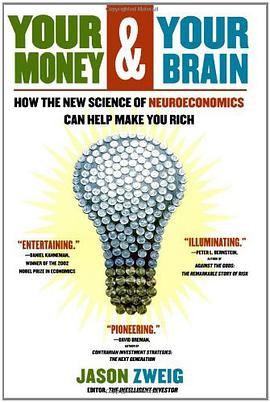
What happens inside our brains when we think about money? Quite a lot, actually, and some of it isn't good for our financial health. In "Your Money and Your Brain, " Jason Zweig explains why smart people make stupid financial decisions -- and what they can do to avoid these mistakes. Zweig, a veteran financial journalist, draws on the latest research in neuroeconomics, a fascinating new discipline that combines psychology, neuroscience, and economics to better understand financial decision making. He shows why we often misunderstand risk and why we tend to be overconfident about our investment decisions. "Your Money and Your Brain" offers some radical new insights into investing and shows investors how to take control of the battlefield between reason and emotion. "Your Money and Your Brain" is as entertaining as it is enlightening. In the course of his research, Zweig visited leading neuroscience laboratories and subjected himself to numerous experiments. He blends anecdotes from these experiences with stories about investing mistakes, including confessions of stupidity from some highly successful people. Then he draws lessons and offers original practical steps that investors can take to make wiser decisions. Anyone who has ever looked back on a financial decision and said, "How could I have been so stupid?" will benefit from reading this book.
作者简介
Jason Zweig is a senior writer for Money magazine and has been a guest columnist for Time and cnn.com. He is also the editor of the revised edition of Benjamin Graham's The Intelligent Investor, the classic text that Warren Buffett has described as "by far the best book about investing ever written." Before joining Money, Zweig was the mutual funds editor at Forbes.
In 2001 Zweig was named "best financial columnist for a national publication" by Northwestern University's Medill School of Journalism. He received the 2006 Lifetime Achievement in Investor Education award from the Mutual Fund Education Alliance. He serves on the editorial boards of Financial History magazine and The Journal of Behavioral Finance.
目录信息
读后感
“我怎么能这么愚蠢呢?”如果从来没有如此痛心的对自己咆哮过,那么你肯定不是真正的投资者。 大脑天生就会感知趋势,即使姿势并不存在。一只股票只要连续上涨了三天,人们就会自动预感第四天上涨,如果第四天这支股票真的上涨了,多巴胺就会释放出来。如此往复,人们就会不自...
评分加上此本,仅读过三本投资心理相关的书籍,另外两本是《风险规则》和《超越恐惧和贪婪》。在技术分析者的系统构建书籍中,读过的书籍中也有两本有较多心理学的描述,包括《海龟交易法则》和《通向财务自由之路》。 其中《风险规则》讲的较为简略,个人认为和《超越恐惧...
评分现实不会像想像中那么美好。 人们预估未来是根据近期的平均来做出判断的。 过分自信,每个人都觉得比别人好。 单纯接触效应:人们偏好见过的,甚至是潜意识里的。 人人都有后见之明啊,我也是!我要日三省吾身!! 同一件事情,会随着之前或是之后的那一时点的心情而有不同的感...
评分“我怎么能这么愚蠢呢?”如果从来没有如此痛心的对自己咆哮过,那么你肯定不是真正的投资者。 大脑天生就会感知趋势,即使姿势并不存在。一只股票只要连续上涨了三天,人们就会自动预感第四天上涨,如果第四天这支股票真的上涨了,多巴胺就会释放出来。如此往复,人们就会不自...
评分1.以整体视角看待投资。要保持冷静,盯住总净值,而不要强调每项投资的短期变化。在你买入股票或共同基金之前,使用晨星公司网站(www.morningstar.com)上的InstantXRay工具,检查它是否与你已经拥有的股票或基金存在重叠。 2.抱最好的希望,做最坏的打算。通过制定多元化策略...
用户评价
这是一本需要反复咀嚼才能品出真味的著作。它的篇幅并不算冗长,但信息的密度极高,每一次重读都会有新的领悟。作者对于“情绪”和“理性”之间永恒拉锯战的描摹,达到了教科书级别的精准。我尤其关注书中关于“决策疲劳”的部分,作者清晰地展示了当意志力资源耗尽时,我们是如何倾向于选择最简单、最不费脑筋的方案,而不是最佳方案。这种对日常生活中“能量管理”与“决策质量”之间关系的深刻揭示,对我个人的工作效率管理产生了直接而积极的影响。全书的论证没有丝毫哗众取宠的迹象,它始终保持着一种冷静的、解构一切的姿态,引导读者主动去构建属于自己的理性防御体系。读完之后,我不再认为“理性”是一种天赋,而更像是一种需要刻意训练和维护的状态,这本书无疑提供了最佳的训练手册。
评分这部作品以其深邃的思想和近乎诗意的洞察力,在我最近的阅读清单中占据了独特的地位。它的叙述节奏舒缓而有力,仿佛一位经验丰富的大师在与你进行一场关于生命本质的私密对话。作者对于人类“损失厌恶”心理的探讨尤为精妙,他没有停留在教科书式的定义,而是描绘了这种厌恶如何渗透到我们对健康、关系乃至身份认同的每一个细微选择中去。我尤其钟爱其对“确认偏误”在信息茧房中自我强化的过程的描述,那段文字极具画面感,让人仿佛能看到信息流是如何无形中构建和固化我们的世界观的。全书的语言风格极富感染力,它既有科学的严谨,又不失人文的关怀,使得那些冰冷的实验数据也焕发出了鲜活的人性光辉。这本书真正做到了“知人者明”,它让我们得以更温柔、也更清醒地接纳我们自身的局限性。
评分坦白说,这本书的阅读体验更像是一场智力上的马拉松,而非轻松的周末读物。它要求读者必须保持高度的专注力,因为作者在行文间隙会抛出大量的心理学、神经科学乃至经济学的交叉概念。我尤其赞赏作者在构建理论框架时所展现出的那种跨学科的广度。书中对“认知负荷”如何影响选择质量的讨论,简直可以作为任何商业策略制定者的必读书目。我发现,当我们面对过载的信息或过于复杂的选项时,大脑会采取一种“捷径”模式,而这种捷径恰恰是偏见滋生的温床。作者将这种现象描述为“心智的节能模式”,非常贴切。这本书的价值不在于提供具体的“做什么”的清单,而在于深刻解释了“为什么我们会这么做”的内在机制。读完后,我感觉自己看待世界的方式发生了一次细微但关键的校准——不再轻易指责他人的愚蠢,而是开始探究其背后的认知结构限制。
评分这部作品简直是一次思维的探险,作者以一种近乎哲学家的姿态,带领我们审视那些我们习以为常却又常常忽略的日常决策背后的复杂机制。它并非一本教你如何快速致富的指南,倒更像是一本深入人心的心理学剖析集。书中的案例分析极其细腻,无论是对市场恐慌情绪的捕捉,还是对个体“锚定效应”的精准描摹,都展现出作者深厚的洞察力。我特别欣赏作者在阐述复杂概念时所采用的类比手法,它们如同精准的光束,瞬间照亮了那些原本晦涩难懂的认知偏差。阅读过程中,我时常停下来,对照自身过往的经历,猛然间发现自己曾经是多么轻易地被情绪的潮水裹挟着前进。这种自我审视的过程,虽然有时令人不适,但最终带来的那种豁然开朗的感觉是无与伦比的。它强迫读者去质疑“理性”的定义,并最终认识到,我们的大脑在处理价值和风险时,远比我们想象的要“偷懒”和“情绪化”。这本书的结构安排也十分巧妙,从宏观的社会情绪,逐步深入到微观的个体神经化学反应,形成了一个完整且富有张力的叙事闭环,让人读完后对“决策”二字有了全新的敬畏之心。
评分我带着一种既期待又略微审慎的态度翻开了这本书,毕竟市面上关于“人类行为”的书籍汗牛充栋,但这本书的切入点明显高人一筹。它没有陷入那种浮夸的成功学叙事,而是将焦点放在了“为什么我们明知故犯”这个核心命题上。作者的文笔带着一种冷峻的学术气质,但绝不枯燥,反而因为其对细节的极致打磨而显得引人入胜。最让我印象深刻的是其中关于“时间贴现率”的章节,作者用一系列精心设计的实验场景,展示了人类如何系统性地贬低未来收益而偏爱即时满足。这种对人类非线性时间观的揭示,不仅解释了拖延症的生物学根源,也为理解现代消费主义的运作逻辑提供了强有力的理论支撑。全书的论证过程逻辑链条严密,每一论断都有坚实的实证数据作为后盾,这使得它在提供深刻见解的同时,也保持了极高的可信度。它像一把精密的解剖刀,将我们日常生活中那些模糊不清的动机层次一层层剥开,展现出底层驱动力的原始和朴素。
评分所谓的神经经济学,还只是在概念阶段,因为研究和结论都还太少来成为一个学说。自己引言觉得很吊,但其实内容一点也不新颖,另外什么理性和感性一起用,这种捣浆糊的说法最没有营养了。
评分An inspiring book that elaborates main types of our psychological patterns and biases
评分所谓的神经经济学,还只是在概念阶段,因为研究和结论都还太少来成为一个学说。自己引言觉得很吊,但其实内容一点也不新颖,另外什么理性和感性一起用,这种捣浆糊的说法最没有营养了。
评分An inspiring book that elaborates main types of our psychological patterns and biases
评分An inspiring book that elaborates main types of our psychological patterns and biases
相关图书





本站所有内容均为互联网搜索引擎提供的公开搜索信息,本站不存储任何数据与内容,任何内容与数据均与本站无关,如有需要请联系相关搜索引擎包括但不限于百度,google,bing,sogou 等
© 2026 onlinetoolsland.com All Rights Reserved. 本本书屋 版权所有