
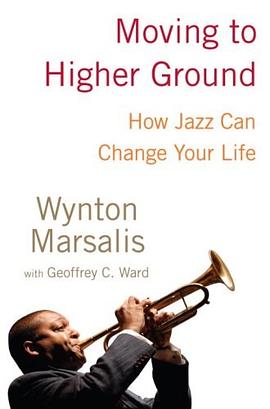

具体描述
"In this book I hope to reach a new audience with the positive message of America's greatest music, to show how great musicians demonstrate on the bandstand a mutual respect and trust that can alter your outlook on the world and enrich every aspect of your life-from individual creativity and personal relationships to conducting business and understanding what it means to be American in the most modern sense."-Wynton Marsalis In this beautiful book, the Pulitzer Prize-winning musician and composer Wynton Marsalis explores jazz and how an understanding of it can lead to deeper, more original ways of being, living, and relating-for individuals, communities, and nations. Marsalis shows us how to listen to jazz, and through stories about his life and the lessons he has learned from other music greats, he reveals how the central ideas in jazz can influence the way people think and even how they behave with others, changing self, family, and community for the better. At the heart of jazz is the expression of personality and individuality, coupled with an ability to listen to and improvise with others. Jazz as an art-and as a way to move people and nations to higher ground-is at the core of this unique, illuminating, and inspiring book, a master class on jazz and life by a brilliant American artist. Advance praise for "Moving to Higher Ground" "An absolute joy to read. Intimate, knowledgeable, supremely worthy of its subject. In addition to demolishing mediocre, uniformed critics, "Moving to Higher Ground" is a meaningful contribution to music scholarship."-Toni Morrison "I think it should be in every bookstore, music store, and school in the country." -Tony Bennett "Jazz, for Wynton Marsalis, is nothing less than a search for wisdom. He thinks as forcefully, and as elegantly, as he swings. When he reflects on improvisation, his subject is freedom. When he reflects on harmony, his subject is diversity and conflict and peace. When he reflects on the blues, his subject is sorrow and the mastery of it-how to be happy without being blind. There is philosophy in Marsalis's trumpet, and in this book. Here is the lucid and probing voice of an uncommonly soulful man."-Leon Wieseltier, literary editor, "The New Republic" "Wynton Marsalis is absolutely the person who should write this book. Here he is, as young as morning, as fresh as dew, and already called one of the jazz greats. He is not only a seer and an exemplary musician, but a poet as well. He informs us that jazz was created, among other things, to expose the hypocrisy and absurdity of racism and other ignorances in our country. Poetry was given to human beings for the same reason. This book could be called "How Love Can Change Your Life," for there could be no jazz without love. By love, of course, I do not mean mush, or sentimentality. Love can only exist with courage, and this book could not be written without Wynton Marsalis's courage. He has the courage to make powerful music and to love the music so, that he willingly shares its riches with the entire human family. We are indebted to him." -Maya Angelou
作者简介
目录信息
读后感
用户评价
这本书简直是本思维的催化剂,它不像那种一本正经地告诉你“你应该怎么做”的工具书,更像是一个经验丰富的老朋友,在迷雾中为你点亮了一盏温暖而坚定的灯。我读完后,立刻感觉自己对周围世界的那种模糊不清的感知清晰了许多。作者的叙事方式非常高明,他没有直接抛出宏大的理论,而是通过一系列看似不相关的个人经历和观察,巧妙地将它们编织成一张巨大的认知网络。那种感觉就像是你在剥洋葱,一层层剥开后,发现核心藏着一个颠覆你既有观念的宝石。特别是关于“适应性”的那几个章节,我印象最为深刻。他探讨了在快速变化的环境中,我们如何区分“必要的改变”和“盲目的追随”,这对于我们现在这个信息爆炸的时代来说,简直是醍醐灌顶。这本书不会给你现成的答案,它更像是提供了一套高级的“提问工具箱”,让你学会如何更好地审视自己的目标和行动。我花了很长时间消化其中的概念,甚至有好几次停下来,不是因为内容太难,而是因为我需要时间去重新校准我过去看待某些事情的滤镜。那种由内而外的转变,是任何廉价的成功学口号都无法给予的深度体验。
评分老实说,这本书的阅读门槛不低,它需要读者具备一定的反思能力和对复杂概念的接受度。它绝不是那种可以一边听音乐一边随意翻阅的读物。它的句子密度很高,每一段话都可能蕴含着需要反复咀嚼才能体会的重量。我发现自己不得不经常停下来,合上书,对着窗外发呆,试图将书中的概念具象化到我自己的生活场景中。最让我印象深刻的是关于“认知边界”的探讨。作者用生动的例子展示了人们是如何在自己的知识舒适区内构建起一道看不见的墙,并将其误认为是世界的全貌。他提供的方法论不是如何快速打破这堵墙,而是如何认识到墙的存在,并有意识地选择去探索那些让你感到不适的、陌生的知识领域。这种对“不适感”的正面解读,是这本书的亮点之一。它不是在推销舒适,而是在颂扬那些伴随着真正学习而来的、必要的认知摩擦。对于那些真正渴望深度自我突破的人来说,这本书无疑是一份沉甸甸的礼物,但需要付出相应的注意力作为交换。
评分这本书的风格是如此的独特,以至于我很难用单一的标签去概括它。它既有对人类行为的犀利洞察,又不失人文关怀的底色。它不像一本指南,更像是一面高清的镜子,让你看到自己思维中的那些细微的褶皱和阴影。我特别喜欢作者处理“矛盾性”的方式。他从不回避事物内在的冲突——比如效率与意义、控制与放手之间的永恒张力。他没有给出和稀泥的结论,而是展示了如何在不同的情境下,动态地平衡这些对立面。这种对复杂性的坦然接受,极大地缓解了我过去在追求“完美解决方案”时产生的焦虑感。阅读过程中,我常常会产生一种“原来如此”的顿悟感,但这种顿悟不是那种短暂的刺激,而是结构性的认知升级。它教会我,生活中的许多难题,需要的不是一个终极答案,而是更优化的“问题呈现方式”。这本书的文字力量在于,它能让你在读完之后,看待新闻、对待人际冲突,甚至规划日常工作时,都带上了一种更具层次感的解读视角。它是一次对心智的深刻打磨。
评分这本书给我的冲击,在于它彻底颠覆了我对“进步”二字的定义。我以前总觉得进步就是不断向上爬,不断获取更多,但读完之后,我开始意识到,很多时候,真正的飞跃来自于一种策略性的“向下扎根”或者“横向拓展”。作者在描绘那些看似停滞不前的阶段时,笔触尤为细腻,他描绘了那种在低谷期如何进行内部重构的必要性。这部分内容非常治愈,因为它承认了“慢”的价值,承认了积累过程中的孤独和不确定性。我尤其欣赏作者对“环境塑造个体”的强调。我们总是倾向于将成功归因于个体的意志力,但这本书冷静地指出,如果你所处的环境无法支撑你的目标,那么再强的意志力也可能只是徒劳的消耗。它引导我重新审视我的人际圈子和日常物理空间,思考它们是否在无形中限制了我的发展潜力。这种将焦点从内部“努力”转移到外部“结构”的视角转换,是我近年来阅读中收获最大的洞见之一。阅读体验是缓慢而深刻的,仿佛在进行一场深度的思维排毒。
评分当我拿起这本书时,说实话,我带着一丝怀疑。市面上这类探讨个人成长和深度思考的读物已经太多了,大多都是换汤不换药的陈词滥调。然而,这本书在语言的驾驭上展现出一种惊人的克制与力量。它摒弃了那种浮夸的、充满激情洋溢的鼓动,转而采用了一种近乎哲学的、沉静的笔调来剖析问题的本质。阅读过程更像是一场与作者的智力对话,我必须全神贯注,才能跟上他那跳跃性的逻辑链条。其中有一部分关于“长期主义”的论述,不是空泛地谈论耐心,而是深入到神经科学和复杂系统理论的层面去解释为什么大脑倾向于短期满足,以及如何通过构建外部约束来对抗这种本能。这种跨学科的融合,使得这本书的论证异常坚实,不容置辩。它不像一本安慰剂,而是像一把精确的手术刀,剖开了我们习以为常的思维惰性。我甚至会反思自己过去的一些“高光时刻”,发现它们可能只是运气使然,而非真正理解了背后的深层机制。这本书的价值在于,它强迫你进行严肃的自我拷问,而不是提供廉价的自我肯定。
评分 评分 评分 评分 评分相关图书












本站所有内容均为互联网搜索引擎提供的公开搜索信息,本站不存储任何数据与内容,任何内容与数据均与本站无关,如有需要请联系相关搜索引擎包括但不限于百度,google,bing,sogou 等
© 2026 onlinetoolsland.com All Rights Reserved. 本本书屋 版权所有