

具体描述
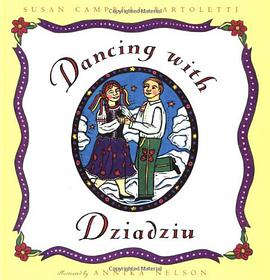
From School Library Journal Kindergarten-Grade 3. Babci ("grandmother" in Polish) lies ill in her bed but continues to tell her granddaughter about her life as a young girl. She talks of emigrating to America, of raising chickens, and, mostly, of dancing with her beloved Dziadziu, the grandfather who died before Gabriella was born. Meanwhile, Gabriella's mother prepares the traditional Easter basket, for Babci knows she won't live to see the holiday and has asked to celebrate early. The child performs her snowflake dance for her grandmother, and, inspired by the elderly woman's stories, she does it perfectly. This is a story of sweet remembrance, a simple but clear portrait of intergenerational love. Although Babci's death is imminent, this is not a maudlin tale but rather a celebration of the affectionate relationships that have shaped Gabriella's life. Nelson's brightly colored woodcuts are a perfect match for a narrative that melds the old country with the new. Those pictures that feature Babci and Gabriella have particularly well-defined textures; those showing scenes of the grandmother's past have a more painted look and are not as striking. Nevertheless, both the full-page and miniature folk-art prints convey a sense of rustic simplicity that is in keeping with the simple life of the family. While not a first purchase, this title will go well with both intergenerational units and those that promote ethnic pride. Somewhat reminiscent of Tomie dePaola's Nana Upstairs and Nana Downstairs (Putnam, 1973), this upbeat book could be shared when discussing the loss of a grandparent.?Nancy Menaldi-Scanlan, LaSalle Academy, Providence, RICopyright 1997 Reed Business Information, Inc. From Booklist Gr. 3^-6, younger for reading aloud. As the story begins, Gabriella remembers a time when Babci (Grandmother) was "round as a loaf of bread and my arms couldn't fit around her waist," but now her bones "float inside her skin." Since Babci's health is rapidly declining, Gabriella and her mother begin preparations for an early Easter celebration. They listen to the old woman's remembrances of life in the old country and the journey to America. The family found itself with scarce resources in coal country, where baths were taken on Saturday in a washtub by the kitchen stove and where the family painted its chickens' feet blue to differentiate the chickens from neighbors' flocks. Although her people had little, Babci tells of dances and stolen kisses and handsome Dziadziu (Grandfather), who died before Gabriella was born. In direct and uncomplicated language and through a series of flashbacks, Bartoletti captures the spirit of love and caring across generations and the temperament of people who keep dancing through hard periods. Nelson's captivating hand-colored linoleum-cut illustrations play an important role in conveying a Polish American family's history as well as a strong sense of place. Karen Morgan See all Editorial Reviews
作者简介
目录信息
读后感
用户评价
我不得不说,这部作品的结构设计简直是鬼斧神工,它拒绝了线性的时间观,而是像一个复杂的迷宫,让读者在过去、现在和未来之间反复穿梭。每一个章节的过渡都出人意料,有时是通过一个物品,有时是通过一段突然插入的日记碎片,将看似不相关的线索巧妙地串联起来。这种非线性的叙事方式,虽然极大地考验了读者的专注力,但一旦适应,其带来的阅读快感是无与伦比的。它强迫你成为一个积极的参与者,去拼凑那些被作者有意打乱的碎片,去重建完整的图景。我花了很长时间才理清主要人物的谱系和他们之间错综复杂的关系网,但当最终的拼图完成时,那种豁然开朗的感觉,比直接被告知真相要震撼得多。这种对读者智力的尊重,是当代许多快餐式小说所缺乏的品质。
评分如果从人物塑造的角度来看,这部作品简直是一堂大师课。它没有塑造任何绝对的“好人”或“坏人”,每一个角色都是由灰色地带构成的复杂体。我特别关注了那个边缘化的配角,他的动机起初显得模糊不清,但随着故事的深入,他的每一次犹豫、每一次看似冲动的行为,都被作者用深刻的心理分析加以支撑。你会发现,他的“恶”往往是环境和被逼无奈的产物,这让人在谴责之余,又不得不产生一丝同情。作者的高明之处在于,她让你持续地与这些角色共情,即使他们做出了令人发指的选择。书中的对话也极其精彩,它们表面上风平浪静,底下却暗流涌动,充满了潜台词和未竟之言,每一次唇枪舌战都像是优雅的剑术对决。读完后,我感觉我认识了几个活生生的人,而不是纸上的符号。
评分这本小说的开篇就展现出了一种令人窒息的压抑感,主人公在那个古老、偏僻的村落里,似乎每一步都踏在薄冰之上。作者对环境的描摹细致入微,那种潮湿、弥漫着陈旧木头和霉味的空气,仿佛能穿透纸页直达读者的鼻腔。故事的主线围绕着一个家族世代相传的秘密展开,这个秘密像一根看不见的线,紧紧地勒住了每一个家族成员的脖颈。我尤其欣赏作者对于人物内心挣扎的刻画,那种在责任与个人欲望之间的撕扯,是如此的真实和痛苦。情节推进得极其缓慢,却充满了张力,每一个看似不经意的对话,都可能隐藏着致命的线索。整个叙事节奏带着一种古典悲剧的美学,让人在阅读过程中不断猜测,又不断被引导向更深层的绝望。那种宿命论的基调贯穿始终,让人不禁反思,在命运的巨轮面前,个体的反抗究竟能有多大意义。读完第一部分,我感到了一种深深的疲惫,但这疲惫并非源于冗长,而是源于对人性幽暗面的直视。
评分从主题深挖的角度来评价,这本书探讨的议题是宏大而沉重的,它远远超出了简单的家庭伦理剧的范畴。它深入挖掘了“遗忘”与“铭记”之间的辩证关系。在故事中,似乎所有人都努力想忘记某些事情,试图用遗忘来换取暂时的安宁,但作者却通过环境的不断提醒、梦境的反复重现,告诉我们:被压抑的记忆,终将以更扭曲的方式爆发出来。这种对集体创伤和代际影响的探讨,极其深刻和发人深省。它让我想起那些历史书上不愿提及的篇章,以及我们自身在生活中如何选择性地记忆过往。阅读这本书,与其说是在消遣,不如说是在进行一场严肃的自我反思。它无疑属于那种需要细细品味、并且会长时间停留在你脑海中,不断发酵的文学作品。
评分这本书的语言风格简直像一首精心打磨的现代诗歌,充满了意象和象征。作者似乎不满足于简单地叙述事件,他更热衷于营造一种氛围,一种介于现实与梦境之间的模糊地带。我发现自己需要反复阅读一些句子,才能完全领会其中蕴含的多重含义。比如,书中对“光”与“影”的反复对比,不仅仅是物理上的描述,更是一种哲学层面的探讨——关于真理的显现与隐藏,关于被社会所遗忘的角落。叙事视角在不同人物之间灵活切换,但每一次切换都像更换了一副滤镜,让读者得以从全新的角度审视同一个事件。这种多重视角的使用非常高明,它打散了传统叙事中“上帝视角”的权威性,反而让整个故事显得更加破碎和不可靠,完美地契合了故事主题所探讨的“记忆的不可靠性”。我个人认为,这本书的艺术成就远高于其情节本身的复杂性。
评分 评分 评分 评分 评分相关图书















本站所有内容均为互联网搜索引擎提供的公开搜索信息,本站不存储任何数据与内容,任何内容与数据均与本站无关,如有需要请联系相关搜索引擎包括但不限于百度,google,bing,sogou 等
© 2026 onlinetoolsland.com All Rights Reserved. 本本书屋 版权所有