
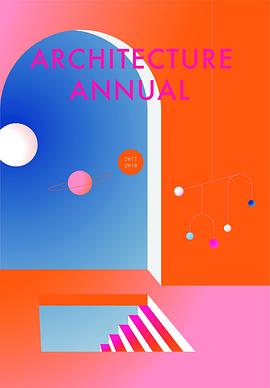

具体描述
A considerable amount of inspiring designs and ideas are developed within the context of the different studios within the Chairs of the Master of Architecture at TU Delft. The fast-paced setting of the studio-based education system leaves many of the excellent works produced unseen and forgotten.
By publishing the Architecture Annual, ARGUS wants to bring those unseen images to the table and give students the opportunity to leave their trace in a collective educational environment. The third edition of ARGUS Architecture Annual, shows the most remarkable, inspiring, and ambitious projects and thesis from the academic year of 2017/2018. Over seventy selected projects from MSc 1, MSc 2 and MSc 3/4 studios, elective courses, and architecture thesis courses, are documented in this yearbook.
This year, with the theme "Bold Initiatives", we keep the previous edition's structure for the Annual, a dual side format which holds two parts - Projects and Reflections. We hope that through this attempt by our committee that readers may experience more lines of thought in viewing what is happening in our education and in the world around us, while jumping out the prescribed box of the Chair structure. It would be our great pleasure if the ARGUS Architecture Annual can intrigue new dialogues, add more flavors and provocative clues to the readers’ minds, and start new debates on what we have learned, what we can learn and what we can achieve.
作者简介
ARGUS is the student association of the Architecture master track of the Faculty of Architecture and the Built Environment at Delft University of Technology.
ARGUS aims to provide a platform where its various members, including students, alumni, practitioners, PhD-candidates, and academics can connect, exchange ideas and explore architecture and its peripheries. We do so by organizing in-depth monthly events such as excursions, lectures, workshops and debates, and by means of a monthly paper. In this way, we hope to contribute to the architectural discourse.
ARGUS EXPO & Annual
Every year ARGUS designs and publishes a yearbook alongside an exhibition showcasing the most representative and inspiring master projects from each studio offered within the TU Delft Faculty of Architecture and the Built Environment. The tasks of the ARGUS Expo & Annual Working Group primarily lie within the Cover Design as well as the decision process for all recommended projects as well as the compiling of the chosen projects in one consecutive document. The layout of the book is mainly kept and filled in by the represented students themselves. The celebratory yearbook and the accompanying exhibition are composed entirely by the students of the faculty for the benefit of their peers, to give them an inspirational overview of all the diverse opportunities that Delft School of Architecture and the Built Environment has to offer.
Editors of EXPO& ANNUAL 2017/2018: Polly Bruchlos; Onusa Charuwanna; Maria Heinrich; Hsuan-Ya Kao; Jonas Langbein; Silvia Leone; Haozhuo Li; Amelie Pretsch; Elena Rossoni; Lea Scholze
目录信息
SELECTED PROJECTS
Architectural Engineering
Architecture & Public Building
Architecture Theory
Complex Projects
Design as Politics
Dwelling
Explore Lab
Form & Modelling Studies
Heritage & Architecture
History of Architecture & Urban Planning
Hyperbody
Interiors Buildings Cities
Methods & Analysis
Multidisciplinary Studios
The Why Factory
INDEX
BOLD INITIATIVES (reversed side)
· · · · · · (收起)
读后感
评分
评分
评分
评分
用户评价
这本书的内容组织结构,简直是大师级的编排艺术,它没有采用那种死板的按时间线或地域划分的叙事方式,而是巧妙地围绕几个核心的“设计哲学”进行了深层次的探讨。比如,其中关于“光影的雕塑性”那一章,作者引用了从古希腊神庙到现代主义大师的多个案例,通过对比分析,揭示了光线在定义空间体验中的决定性作用,其论述的层次感极强,并非简单的罗列图例,而是深入剖析了不同历史时期、不同文化背景下,建筑师如何“捕获”和“引导”自然光,形成独特的空间情感。我特别欣赏它在处理复杂技术概念时的克制与精准,它知道何时该用严谨的工程术语来保证准确性,何时又该用富有诗意的语言来描绘建筑的氛围感。这种在学术严谨性和艺术感染力之间的完美平衡,使得即便是非专业人士,也能从中获得深刻的启发。阅读过程中,我数次停下来,不是因为不理解,而是因为某个观点过于精辟,需要时间去消化和反思,感觉自己像是跟随一位睿智的导师进行了一场漫长的、充满洞察力的对话。
评分这本书在引入批判性思维方面做得非常出色,它没有一味地歌颂那些被奉为圭臬的“经典”作品,而是大胆地提出了质疑,并从社会学、生态学的角度对一些标志性建筑提出了建设性的反思。例如,在分析某一时期盛行的“巨型化”趋势时,作者冷静地剖析了这种模式背后隐藏的权力结构和资源分配不均的问题,指出建筑的宏大叙事往往是以牺牲社区尺度和人性化体验为代价的。这种不回避矛盾、直面行业挑战的态度,让这本书显得尤为宝贵,它不是一本自娱自乐的行业赞歌集,而更像是一面映照行业现状的清醒之镜。它鼓励读者,尤其是年轻一代的从业者,去思考建筑的“责任”——如何在一个资源日益紧张、气候变化日益严峻的时代,设计出既有美学价值又具备社会责任感的空间。这种深刻的反思性,极大地提升了阅读的价值,因为它迫使我跳出纯粹的技术或美学框架,去审视建筑在更广阔的人类生存图景中的位置。
评分这本书的装帧设计真是让人眼前一亮,封面采用了哑光处理,触感非常细腻,配合着烫金的书名,立刻营造出一种专业而沉稳的气息。我尤其喜欢它在细节上的用心,比如内页的纸张选择,那种微微泛黄的米白色,不仅阅读起来非常舒适,减少了长时间阅读带来的视觉疲劳,而且散发着一种经典建筑文献特有的厚重感。当我翻开第一页时,那种油墨散发出的特有气味,让我感觉自己仿佛置身于一个古老的档案馆,充满了对知识的敬畏。这本书的排版布局堪称一绝,大量的留白运用得恰到好处,使得复杂的结构图和精美的照片都有足够的呼吸空间,避免了信息过载带来的压迫感。每一章节的过渡都非常自然流畅,作者在设计视觉引导方面显然下足了功夫,让人在浏览大量技术信息时,依然能保持清晰的阅读脉络。这本书的实体感,远超出了许多现代数字出版物能给予读者的体验,它不仅仅是一本书,更像是一件可以被收藏和珍视的艺术品,每次拿起它,都能感受到设计者和出版者对建筑领域深深的热爱与尊重。它的实体品质,已经为接下来内容的深度和广度做了极佳的预告,让人迫不及待地想要深入探索内部的奥秘。
评分我必须承认,这本书的配图质量达到了博物馆级别的标准,这对于一本侧重于建筑研究的刊物来说至关重要。这些图片不仅仅是简单地记录建筑的外观,它们更像是经过精心挑选和构图的艺术品,每一张照片都精准地捕捉了建筑师想要传达的核心意图。我注意到,许多著名的建筑摄影师的作品被收录其中,他们对于光线、景深和人流动态的把握,使得原本静态的图像仿佛有了生命。更有价值的是,书中穿插了大量原始设计草图和施工过程的黑白照片,这些“幕后花絮”提供了宝贵的历史语境,让我们得以一窥设计决策是如何在无数次修改和实践中最终定型的。这些手绘的线条和即时的现场记录,比任何后期精修的照片都更具有说服力,它们展现了创造过程中的挣扎、灵光一现和不懈的努力。这种图文并茂、多维度展现建筑全貌的方式,让阅读体验变得异常丰富和沉浸,每次翻阅,都能在视觉和智力上获得双重满足,让人对建筑艺术的复杂性和魅力有了更立体的认知。
评分这本书最让我感到震撼的,是它对“材料的本体论”所进行的细致入微的考察。它没有停留在石材、混凝土或木材这些常见建筑材料的表面介绍,而是深入挖掘了材料背后的文化意义、生产工艺的演变,以及它们与地方气候和人文精神的相互作用。有一个段落专门讲述了特定类型粘土烧制工艺如何影响一栋建筑在百年后的风化纹理,这种对时间维度和材料生命周期的关注,彻底颠覆了我以往对“建筑材料”的浅薄认知。作者似乎在告诉我们,建筑的持久性,很大程度上取决于我们如何尊重和理解材料本身的“脾气”。此外,书中对一些被遗忘的传统建造技术给予了极大的重视,并用现代的分析工具对其进行了重新审视,这不仅是对历史的致敬,更是一种对未来可持续性设计的深刻预示。通过这些对材料的深入解析,我开始以一种全新的、更具敬畏感的视角去看待身边的一切人造环境,仿佛每一块砖石都在低语着它们的前世今生。
评分 评分 评分 评分 评分相关图书









本站所有内容均为互联网搜索引擎提供的公开搜索信息,本站不存储任何数据与内容,任何内容与数据均与本站无关,如有需要请联系相关搜索引擎包括但不限于百度,google,bing,sogou 等
© 2026 onlinetoolsland.com All Rights Reserved. 本本书屋 版权所有