


具体描述
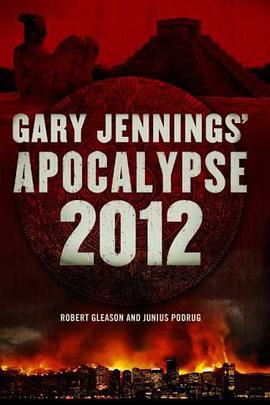
Don’t look up
It won’t help. You can’t get out of the way, you can’t dig a hole deep enough to hide. The end is coming, and there’s nothing you can do about it.
So why read this book?
Because you can’t look away when not just the religious fanatics are saying we’re all going to be destroyed but the scientists are in on the act too. Here’s what they’re saying:
We’re a million years over due for a mass extinction.
The sun at radiation minimum is acting much worse than at solar maximum, and one misdirected spewing of plasma could fry us in an instant.
The magnetic field—which shields us from harmful radiation—is developing a mysterious crack.
Our solar system is entering an energetically hostile part of the galaxy.
The Yellowstone supervolcano is getting ready to blow, and if it does, we can look forward to nuclear winter and 90 percent annihilation.
The Maya, the world’s greatest timekeepers ever, say it’s all going to stop on December 21, 2012.
So, see? There’s nothing you can do, but you might as well sit back and enjoy the show.
You’ll get a good chuckle.
That’s why you should read this book.
Dear Reader,
If there were a chance that opening this book could set off a chain of events that would lead to Apocalypse, to the end of Life as we know it, would you be tempted? Finger poised uncertainly above the flashing red button? How about if the Apocalypse promised to result in a new age of enlightenment, a Heaven on Earth like never before?
Personally, I’ll take the security of my cozy life over a chance at nirvana. But status quo may no longer be an option, for any of us. This book will convince you that there is a nonnegligible chance that the year 2012 will be more tumultuous, catastrophic, and, quite possibly, revelatory, than any other year in human history.
Parts of this book are best read with a bowl of popcorn: looking into the jaws of a great white shark in search of the meaning of death; touring a picturesque Guatemalan town with Mayan shaman just weeks before it is utterly destroyed. Other sections go better with a tranquilizer, such as the impending eruption of the Yellowstone supervolcano, or the mass extinction headed our way—on the scale of the great collision that destroyed the dinosaurs and 70 percent of all other species, our best scientists contend that it’s now overdue. Nail-biters should beware the fact that the next peak in the sunspot cycle, due in 2012, is widely expected to set records for the number and intensity of solar storms pummeling the Earth with radiation and igniting natural calamities such as earthquakes, volcanoes, and Katrina-sized hurricanes. And that our entire solar system appears to be moving into a dangerous interstellar energy cloud.
Is it a coincidence that the burgeoning war between Christianity and Islam seems hell-bent for Armageddon? Or that numerous other religions, philosophies, and cultural traditions are signaling that the end is near, with 2012 emerging as the consensus target date? A new era is about to be born, with all the pain and blood and joy and release that birth naturally entails.
Facing oblivion, or at least mega-metamorphosis, is something that few of us are emotionally prepared to do. Thus my excuse for the gallows humor that pervades this story. In a memorable Mary Tyler Moore episode, Mary cracks up laughing at the funeral of Chuckles the Clown who, dressed as a peanut while marching in a parade, was shucked to death by an elephant. If Mary can giggle in the face of death, so can we.
With kind regards,
Lawrence E. Joseph
作者简介
目录信息
读后感
用户评价
这本作品在氛围营造上达到了近乎令人窒息的境界,它成功地将“末日”这个宏大概念,收缩到了一个极其个人化和密闭的空间内。全书的基调是阴郁的,但它并非那种廉价的、廉价的感伤或绝望。相反,它散发着一种沉静的、近乎仪式感的庄重。作者对于光影和声音的运用简直是教科书级别的:你几乎可以清晰地“听见”书中描绘的寂静,那种万籁俱寂中偶尔被打破的远方金属的摩擦声,比任何突如其来的巨响都更令人毛骨悚然。阅读过程中,我发现自己不自觉地放慢了呼吸,仿佛生怕自己发出的任何声响都会惊动这脆弱的、行将就木的世界。这是一部需要在一个安静的夜晚,伴随着昏暗的台灯光阅读的作品,它不是为了娱乐而存在,而是为了提供一种深刻的、近乎冥想式的体验,探讨在一切意义消亡之后,个体存在的价值究竟何在。
评分这本书最让我印象深刻的是它对“人性”在极端压力下不同表现的百科全书式的刻画。它没有简单地将人类分为英雄和恶棍两类,而是深入挖掘了中间地带那些灰色的人性光谱。书中对几个次要角色的塑造尤其成功,比如那个坚持在废墟中收集并修复老式机械的工程师,他的动机极其复杂,既有对过去文明的缅怀,也有对未来毫无希望的徒劳抗争。作者没有给他一个明确的道德标签,而是让他游走在利他和自私的边缘。我尤其赞叹作者对“希望”这个主题的处理:它不是一个被高歌猛进地歌颂的对象,而是一种极其脆弱、需要小心翼翼呵护的资源。每当主角似乎找到了一点点可以支撑下去的理由时,作者总会立刻用一个不经意的细节将其碾碎,这种反复的希望与幻灭,让整本书的情感张力维持在一个极高的水平线上。
评分从结构上来看,这本书的处理方式堪称大胆,它完全打破了传统线性叙事的桎梏。作者仿佛在搭建一座错综复杂的迷宫,时间线在不同的章节中被反复折叠、拉伸,甚至在某些关键时刻,章节的顺序似乎是随机的,强迫读者自行去重构事件的因果链条。这种非线性的叙事带来的冲击力是巨大的,它模拟了创伤记忆的碎片化特性——你永远无法完整地回溯一切是如何发生的,只能通过这些散落的片段去拼凑出一个残缺的真相。其中有一章,全章都是通过日记、录音摘要和电子邮件片段构成的,信息的有效性极低,但那种真实感却扑面而来,仿佛我真的是在翻阅某个被遗忘的数字遗骸。对于追求清晰情节的读者来说,这无疑是个挑战,但我认为正是这种结构上的“混乱”,完美地诠释了秩序崩塌的主题。
评分我得说,这本书的语言风格就像是浸泡在陈年威士忌中的哲学论文,浓郁、辛辣,且后劲十足。它拒绝使用任何花哨的辞藻去渲染末日的恐怖,反而采取了一种近乎冷峻的、客观的报告文学口吻,但这种“客观”恰恰是最大的主观性投射。作者对物理现象的描述精确得像是一份科学报告,但这些科学的冰冷外壳下,却燃烧着人类面对未知时最原始的恐惧与好奇。我特别欣赏作者在描述环境变化时所使用的那些罕见但极其精准的动词和名词,它们构建了一个既熟悉又彻底陌生的世界。读到一半时,我甚至停下来查阅了几个书中提到的地质学术语,这让我感觉自己不仅仅是在阅读一个故事,而是在参与一场严肃的、跨学科的探索。这本书的阅读体验是需要消耗脑力的,它不像快餐文学那样可以轻松滑过,它要求你慢下来,去咀嚼那些晦涩的句子结构和略显疏离的叙事视角。
评分这本书的叙事节奏简直是大师级的杰作,它没有急于抛出宏大的灾难场面,而是像一位技艺精湛的钟表匠,耐心地、一丝不苟地打磨着每一个角色的内心世界。开篇几章,我完全沉浸在主人公那种近乎病态的日常观察中,那种对微小细节的执着,让我几乎能闻到空气中弥漫的尘土味和咖啡的苦涩。作者对人物心理活动的描摹细腻得令人发指,每一次犹豫、每一次微小的决定,都被赋予了深层的、几乎是哲学性的重量。你不会觉得这是在读一个关于世界末日的故事,而更像是在偷窥一个即将崩塌的文明边缘,人们如何紧紧抓住那些最不值一提的习惯来维持最后的理智。尤其是对主角童年阴影的回溯部分,那几段文字的密度极高,充满了象征意义,我需要反复阅读才能真正捕捉到作者埋藏在字里行间的隐喻。这种克制而又充满张力的写作手法,让期待爆炸场面的读者可能会感到一丝不耐烦,但我恰恰是为这种深沉的内省所折服,它让你在灾难来临之前,先在精神上经历了一次彻底的审判。
评分 评分 评分 评分 评分相关图书











本站所有内容均为互联网搜索引擎提供的公开搜索信息,本站不存储任何数据与内容,任何内容与数据均与本站无关,如有需要请联系相关搜索引擎包括但不限于百度,google,bing,sogou 等
© 2026 onlinetoolsland.com All Rights Reserved. 本本书屋 版权所有