具体描述
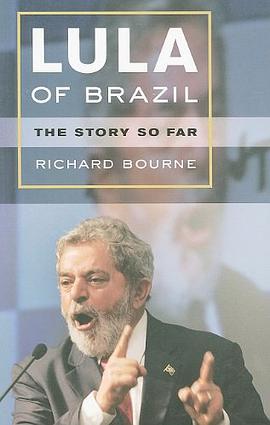
Luiz Inacio Lula da Silva's dramatic life story has captured the imagination of millions, and his progressive politics have brought hope and excitement to Brazil - and the world. This compelling work is the first major English-language biography of the metalworker who became president of Latin America's largest and most powerful country. In a clearly written, vividly detailed narrative, Richard Bourne describes Lula's childhood hardships in an impoverished family, his days as a revered trade unionist, and the strike movement that brought down Brazil's military dictatorship. The book chronicles Lula's campaigns for the presidency, his first term in office beginning in 2002, a major corruption scandal, and his re-election in 2006. Throughout, "Lula of Brazil" connects this charismatic leader's life to larger issues, such as the difficulty of maintaining a progressive policy in an era of globalization. Brazil's contemporary history, parallels with other developing countries and other world leaders, the conservatism of Brazilian society, and other themes provide a rich backdrop for assessing the struggles, achievements, and failures of this major figure on both the Brazilian and the world stage.
Lula of Brazil: A Journey Through the Heart of a Nation Lula of Brazil is not merely a biography; it is an immersive exploration of a man who rose from the dust of poverty to become the architect of modern Brazil, and in doing so, reshaped the destiny of a continent. This narrative delves deep into the multifaceted life of Luiz Inácio Lula da Silva, charting his extraordinary trajectory from a humble metalworker and union leader to the presidential palace, and beyond. It’s a story that resonates with the aspirations and struggles of millions, offering an unparalleled window into the forces that have defined Brazil’s recent past and continue to influence its future. The book meticulously traces Lula’s early life, painting a vivid portrait of his upbringing in the harsh realities of northeastern Brazil. Readers will be transported to a time of immense hardship, where hunger was a constant companion and opportunity a distant dream. From his childhood as a street vendor and his early foray into manual labor, the narrative highlights the formative experiences that forged Lula’s unwavering commitment to social justice and his profound empathy for the working class. We witness the development of his innate leadership qualities, his powerful oratorical skills honed in the crucible of union negotiations, and his unshakeable belief in the power of collective action to bring about meaningful change. The Rise of a Labor Icon: A significant portion of the narrative is dedicated to Lula’s pivotal role in the burgeoning labor movement of the 1970s and 80s. The book unpacks the complex political and economic climate of Brazil during the military dictatorship, illustrating the immense courage and strategic brilliance required to challenge an oppressive regime. It details the formation and growth of the metalworkers’ union in the industrial heartland of São Paulo, emphasizing Lula’s personal involvement in organizing strikes that shook the foundations of the dictatorship. These events were not just industrial disputes; they were potent demonstrations of popular will, pushing Brazil towards a democratic transition. The book explores how Lula’s unwavering defiance and his ability to mobilize large numbers of workers solidified his position as a national icon, a symbol of resistance and hope. Navigating the Political Landscape: Lula’s transition from union leader to presidential candidate is presented as a natural, yet arduous, progression. The book examines the complex political maneuvering, the forging of alliances, and the ideological debates that characterized the re-democratization of Brazil. We see how Lula, and the Workers' Party (PT) he co-founded, sought to bridge the gap between grassroots activism and the demanding realities of electoral politics. The narrative provides an in-depth look at his presidential campaigns, detailing the hopes they ignited and the challenges they faced. It’s a story of perseverance, of learning from past defeats, and ultimately, of achieving a historic victory in 2002, marking a profound shift in Brazil’s political direction. The Presidency: Transformation and Legacy: The core of Lula’s narrative lies in his two terms as President of Brazil. This section of the book offers a comprehensive analysis of the policies and programs that defined his administration. Readers will gain a deep understanding of the innovative social welfare initiatives, most notably Bolsa Família, which lifted millions of Brazilians out of extreme poverty and dramatically reduced inequality. The book explores the economic strategies employed to stabilize the nation’s economy, foster growth, and increase Brazil’s international standing. It examines Lula’s commitment to environmental protection, his efforts to combat deforestation in the Amazon, and his vision for Brazil as a major player on the global stage. Furthermore, the narrative doesn't shy away from the complexities and controversies that marked Lula’s presidency. It delves into the challenges of governance, the delicate balance between social progress and economic stability, and the political headwinds he encountered. The book offers a nuanced perspective on the criticisms and accusations leveled against his administration, presenting them within their historical and political context. Beyond the Presidency: Enduring Influence: Lula of Brazil continues its exploration of his life beyond the presidency. It examines his continued influence on Brazilian politics, his role as an international statesman, and his enduring commitment to social causes. The narrative addresses the legal challenges he faced in the post-presidency years, offering a critical examination of the political motivations and implications of these events. The book highlights his resilience and his continued ability to connect with the Brazilian people, culminating in his triumphant return to the presidency. A Mirror to Brazil's Soul: Ultimately, Lula of Brazil is more than just the chronicle of one man’s life. It is a profound reflection of Brazil itself – its triumphs and tribulations, its immense potential and its persistent struggles. The book captures the spirit of a nation grappling with its identity, striving for progress, and aspiring to a more just and equitable future. By delving into the experiences and decisions of Lula da Silva, readers gain an invaluable understanding of the forces that have shaped Latin America’s largest nation, and the enduring power of a vision that places the dignity and well-being of its people at its very center. It is a testament to the transformative power of leadership, the resilience of the human spirit, and the unwavering hope for a better tomorrow.