具体描述
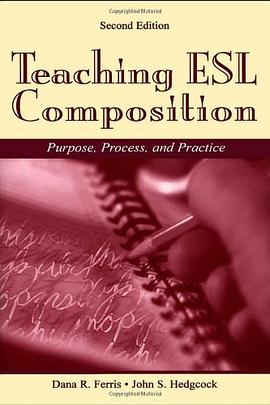
In keeping with the spirit of the first edition, Teaching ESL Composition: Purpose, Process, and Practice, Second Edition presents pedagogical approaches to the teaching of ESL composition in the framework of current theoretical perspectives on second language writing processes, practices, and writers. The text as a whole moves from general themes to specific pedagogical concerns. A primary goal is to offer a synthesis of theory and practice in a rapidly evolving community of scholars and professionals. The focus is on providing apprentice teachers with practice activities that can be used to develop the complex skills involved in teaching second language writing. Although all topics are firmly grounded in reviews of relevant research, a distinguishing feature of this text is its array of hands-on, practical examples, materials, and tasks, which are presented in figures and in the main text. The synthesis of theory and research in a form that is accessible to preservice and in-service teachers enables readers to see the relevance of the field's knowledge base to their own present or future classroom settings and student writers. Each chapter includes: *Questions for Reflection--pre-reading questions that invite readers to consider their own prior experiences as students and writers and to anticipate how these insights might inform their own teaching practice; *Reflection and Review--follow-up questions that ask readers to examine and evaluate the theoretical information and practical suggestions provided in the main discussion; and *Application Activities--a range of hands-on practical exercises, such as evaluating and synthesizing published research, developing lesson plans, designing classroom activities, executing classroom tasks, writing commentary on sample student papers, and assessing student writing. The dual emphasis on theory and practice makes this text appropriate as a primary or supplementary text in courses focusing on second language writing theory, as well as practicum courses that emphasize or include second language writing instruction or literacy instruction more generally. New in the Second Edition: *updated research summaries consider new work that has appeared since publication of the first edition; *revised chapter on research and practice in the use of computers in second language writing courses covers recent developments; *streamlined number and type of Application Activities focus on hands-on practice exercises and critical analysis of primary research; and *revisions throughout reflect the authors' own experiences with the text and reviewers' suggestions for improving the text.
Teaching ESL Composition: Cultivating Confident and Competent Writers This practical guide offers a comprehensive toolkit for educators dedicated to fostering effective writing skills in English as a Second Language (ESL) learners. Moving beyond theoretical frameworks, the book delves into actionable strategies, innovative pedagogical approaches, and a deep understanding of the unique challenges and opportunities inherent in teaching ESL composition. Understanding the ESL Writer: The initial chapters lay a strong foundation by exploring the multifaceted nature of the ESL writer. We examine the diverse linguistic backgrounds, prior educational experiences, and cultural contexts that shape a student's approach to writing in English. This includes a nuanced discussion of how first language (L1) literacy practices can both inform and potentially complicate the acquisition of English writing conventions. We will explore common areas of difficulty, such as grammatical structures, idiomatic expressions, sentence complexity, and discourse organization, offering insights into why these challenges arise and how educators can effectively address them. The book emphasizes the importance of viewing these difficulties not as deficiencies, but as natural stages in the language learning process. Designing Effective Curricula and Lesson Plans: A significant portion of the guide is dedicated to the practicalities of curriculum design and lesson planning. Readers will find detailed guidance on how to create a writing curriculum that is not only rigorous but also engaging and responsive to the needs of ESL learners. This includes: Setting Clear Learning Objectives: We explore how to define measurable and achievable writing goals that align with learners' proficiency levels and future academic or professional aspirations. Scaffolding Complex Tasks: The book provides step-by-step methods for breaking down intimidating writing assignments into manageable components, offering support at each stage of the writing process. This might include pre-writing activities, structured outlines, sentence starters, and targeted vocabulary development. Integrating Skills: We demonstrate how to seamlessly weave together the four language skills – reading, writing, listening, and speaking – to create a holistic learning experience that enhances writing proficiency. For instance, analyzing model texts, engaging in discussions about topics, and practicing oral summaries can all inform and strengthen written output. Differentiating Instruction: Recognizing the diverse needs within an ESL classroom, the guide offers strategies for adapting instruction to cater to varying levels of English proficiency, prior knowledge, and learning styles. This includes providing differentiated materials, flexible grouping strategies, and varied assessment methods. Authentic Writing Tasks: The book champions the use of authentic writing tasks that mirror real-world communication needs, moving beyond decontextualized exercises. Examples include writing emails, crafting résumés, composing blog posts, and developing persuasive arguments for specific audiences. Fostering the Writing Process: The writing process itself is a central focus. The guide offers practical techniques for guiding students through each stage: Pre-writing and Brainstorming: We explore a variety of brainstorming techniques, such as freewriting, mind mapping, and guided questioning, to help students generate ideas and develop a clear purpose for their writing. Drafting and Revision: The book provides strategies for supporting students during the drafting process, including techniques for generating coherent paragraphs, developing supporting details, and transitioning smoothly between ideas. Crucially, it emphasizes the iterative nature of revision, offering methods for teaching students how to self-edit and respond effectively to feedback. Editing and Proofreading: We delve into practical approaches for teaching students to identify and correct common grammatical errors, punctuation mistakes, and stylistic issues, fostering their ability to produce polished final drafts. Assessment and Feedback: Effective assessment and constructive feedback are paramount to student growth. This guide offers a comprehensive approach: Diverse Assessment Methods: Beyond traditional essays, the book explores various assessment tools, including portfolios, peer assessments, self-assessments, and performance-based tasks, to provide a more holistic view of student progress. Rubric Development and Application: We provide clear guidance on developing and utilizing effective rubrics that clearly communicate expectations and provide specific criteria for evaluation. Constructive Feedback Strategies: The book offers practical advice on delivering feedback that is both supportive and actionable. This includes focusing on higher-order concerns before lower-order ones, providing concrete examples, and encouraging student agency in the revision process. We will discuss how to foster a positive feedback culture where students feel empowered to learn from mistakes. Addressing Specific Writing Genres and Contexts: The guide recognizes that different writing tasks require different approaches. It delves into strategies for teaching a range of genres, including: Expository and Persuasive Writing: We explore how to guide students in developing clear thesis statements, constructing logical arguments, and providing credible evidence. Narrative Writing: The book offers techniques for helping students craft engaging stories, develop compelling characters, and utilize descriptive language. Academic Writing: For learners pursuing higher education, the guide provides insights into the conventions of academic discourse, including citation practices, the structure of research papers, and the development of critical thinking in written form. Technology and Resources: In today's digital age, technology plays an increasingly important role in education. This book explores how to leverage various technological tools to enhance ESL writing instruction. This includes: Online Writing Platforms: We discuss the benefits and practical applications of online writing communities and collaborative writing tools. Grammar and Style Checkers: The guide offers advice on how to use these tools effectively as learning aids, rather than simply as error-correction mechanisms. Digital Resources for Vocabulary and Research: We explore how to guide students in utilizing online dictionaries, corpora, and research databases to enrich their writing. Creating an Inclusive and Supportive Learning Environment: Ultimately, effective ESL composition teaching is built on a foundation of inclusivity and support. The book emphasizes the importance of: Building Rapport and Trust: Creating a safe and encouraging classroom environment where students feel comfortable taking risks and expressing themselves is crucial. Celebrating Diversity: Recognizing and valuing the linguistic and cultural backgrounds of all students can enrich the learning experience for everyone. Promoting Learner Autonomy: Empowering students to become independent learners who can take ownership of their writing development is a key goal. This comprehensive guide equips educators with the knowledge, skills, and practical strategies needed to empower ESL learners to become confident, competent, and successful writers. By fostering a deep understanding of the ESL writer and implementing effective pedagogical practices, educators can unlock the full writing potential of their students.