

具体描述
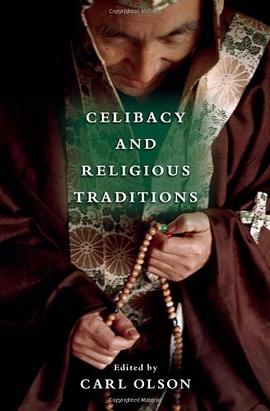
If sexuality is inherently social, the same thing can be said about celibacy. An understanding of celibacy, argues Carl Olson, can be a useful way to view the significance of the human body within a social context. The purpose of this book is to examine how the practice of celibacy differs cross-culturally as well as historically within a particular religious tradition. The essays (all previously unpublished) will demonstrate that celibacy is a complex religious phenomenon. The control of sexual desire can be used to divorce oneself from a basic human biological drive, to separate oneself from what is perceived as impure, or to distance oneself from a transient world. Within different religious traditions there can be found the practice of temporary celibacy, commitment to long-term permanent celibacy, and outright condemnations of it. By maintaining a state of virginity, members of some religious traditions imitate divine models; other traditions do not admit the possibility of emulating such paradigms.Whether or not a religious tradition encourages or discourages it, the practice of celibacy gives us insight into its worldview, social values, gender relations, ethics, religious roles, and understanding of the physical body. Celibacy can contribute to the creation of a certain status and play a role in the construction of identity, while serving as a source of charisma. In some religious traditions, it is possible to renounce sex and gain sacred status and economic support from society. Each essay in the collection will be written by an expert in a particular religious tradition. Each will address such questions as: Why do some members of a religious community decide to maintain a celibate style of religious life? Is celibacy a prerequisite for religious office or status? Are there different contexts within a given religious tradition for the practice of celibacy? What does the choice of celibacy tell us about the human body in a particular religious culture? What is the symbolic significance of celibacy? What is its connection to the acquisition of power? What are its physical or spiritual benefits?The first collection of its kind, this book will be a valuable resource for courses in world religions, as well as a contribution to our understanding of this very widespread but puzzling human phenomenon.
作者简介
目录信息
读后感
用户评价
读完之后,我最大的感受是作者在处理跨文化议题时的那种深思熟虑和近乎偏执的平衡感。他似乎极力避免将任何一种宗教传统简单地贴上“进步”或“落后”的标签,而是坚持用一种相对主义的视角去理解其内在的逻辑自洽性。书中对于不同文本的引用和比对,展现了极高的学术功底,那些繁复的拉丁文、梵文或是其他语种的引述,虽然让非专业读者偶尔需要停下来查阅,但正是这种不妥协的严谨,为全书奠定了坚实的论证基础。最让我印象深刻的是其中关于“神圣空间与世俗空间分离”的章节,作者用极其精妙的笔法,描绘了隔离如何成为构建崇高性的必要手段,以及这种隔离在不同历史时期所产生的社会张力。这本书不是一本轻松的读物,它要求读者付出相应的专注力,但作为回报,它提供了一个理解人类精神追求复杂性的全新框架。
评分这部作品的封面设计确实引人注目,那种带着些许古朴气息的字体,在米白色的背景上显得沉静而有力,让人立刻联想到那些深藏于历史角落的秘密。我最初被吸引,是冲着它标题中蕴含的某种禁欲美学,期待能深入探究那些恪守清规戒律的修行者,他们的内心世界究竟是如何被形塑的。然而,当我翻开第一章,却发现作者的笔触远比我预想的要细腻和宏大。他并没有急于展示那些戏剧性的冲突或极端的个案,而是选择了一种近乎人类学考察的严谨态度,从社会结构和历史演进的角度,缓缓铺陈出一个宏大的宗教实践图景。书中的论述流畅自然,仿佛一位经验丰富的学者,带着你漫步在世界各地不同的信仰场域中,观察那些看似永恒不变的仪式和教义是如何在时间的长河中悄然发生位移的。那种叙事节奏,非常适合在安静的午后,捧着一杯浓茶,沉浸其中,让思绪被带到那些遥远的、充满神秘主义色彩的殿堂。
评分坦率地说,这本书的阅读体验是具有挑战性的,特别是那些专注于特定教派内部权力运作和仪式细节的段落,信息密度非常高,稍不留神就会跟不上作者的思路。但我坚持了下来,很大程度上是因为作者对于“身体”和“话语权”之间关系的探讨,实在太具启发性了。他巧妙地揭示了,在许多宗教体系中,对身体的严苛控制,往往与其对外部叙事的垄断权是相辅相成的。这种洞察力超越了简单的历史回顾,触及了权力运作的核心机制。书中对不同时期女性修行者经验的侧重,也让我耳目一新,那些声音常在主流的历史叙事中被忽略,但作者通过细致的文献挖掘,成功地将她们的抗争与顺从,构建成一个丰富而多维的景观。
评分这本书的文字功底着实令人赞叹,充满了古典文学的韵味,句子结构复杂而富有节奏感,读起来有一种强烈的咏叹调的感觉。我尤其欣赏作者如何将抽象的哲学概念,通过生动的历史案例巧妙地“落地”。例如,在阐述某种特定禁欲实践如何影响到家庭伦理结构的变迁时,他引入了几个具体的修道院的案例,那些关于财产继承和权力分配的琐碎记载,却被他组织得像一部精彩的家庭伦理剧,充满了人性深处的挣扎与妥协。这种叙事技巧,让原本可能显得枯燥的社会学分析,焕发出了鲜活的生命力。它成功地将宏大的历史观与微观的人性刻画熔于一炉,让人在思考“信仰”这个庞大主题时,也能感受到个体生命在巨大结构面前的脆弱与坚韧。
评分这本书的价值,我认为在于它提供了一种冷静的、去情绪化的审视视角。在当今这个价值判断日益两极化的时代,它提醒我们,任何一种深刻的人类生活实践,都必然是历史偶然性、文化必然性和个人意志的复杂交织。作者的论证风格极其内敛,几乎没有使用任何煽情的词汇,而是依靠严密的逻辑链条,层层递进地引导读者得出结论。我特别欣赏其在最后几章中对现代性挑战的回应,他并没有断言这些古老的传统将走向消亡,而是以一种开放式的结局,暗示了它们在不断适应和重塑自身以应对新的社会环境。总而言之,这是一部需要被反复研读的力作,它不仅拓宽了我对特定主题的理解,更重要的是,它重塑了我看待历史与信仰关系的方式。
评分 评分 评分 评分 评分相关图书















本站所有内容均为互联网搜索引擎提供的公开搜索信息,本站不存储任何数据与内容,任何内容与数据均与本站无关,如有需要请联系相关搜索引擎包括但不限于百度,google,bing,sogou 等
© 2026 onlinetoolsland.com All Rights Reserved. 本本书屋 版权所有