

具体描述
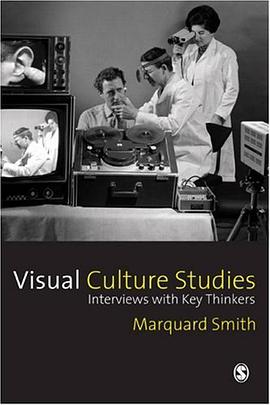
"Visual Culture Studies" presents 13 engaging and detailed interviews with some of the most influential intellectuals working today on the objects, subjects, media and environments of visual culture. Exploring historical and theoretical questions of vision, the visual and visuality, this collection reveals the provocative insights of these thinkers, as they have contributed in exhilarating ways to disturbing the parameters of more traditional areas of study across the Arts, Humanities, and Social Sciences. In so doing, they have key roles in establishing Visual Culture Studies as a significant field of inquiry. Each interview draws out the interests and commitments of the interviewee to critically interrogate the past, present and future possibilities of Visual Culture Studies and visual culture itself.The discussions concentrate on three broad areas of deliberation: the intellectual and institutional status of Visual Culture Studies; the histories, genealogies and archaeologies of visual culture and its study; and the diverse ways in which the experiences of vision, and the visual, can be articulated and mobilized to political, aesthetic and ethical ends. This book demonstrates the intellectual significance of Visual Culture Studies, and the ongoing importance of the study of the visual. Marquard Smith is Reader in Visual and Material Culture at Kingston University, London, and Editor-in-Chief of the Journal of Visual Culture.The contents are: Visual Culture, Everyday Life, Difference and Visual Literacy Interview with Nicholas Mirzoeff; Mixing it up - The Media, the Senses and Global Politics Interview with W.J.T. Mitchell; Globalization, Cosmopolitanism, Politics and the Citizen Interview with Susan Buck-Morss; On the State of Cultural Studies Interview with Paul Gilroy; Disability Studies, the Humanities and the Limits of the Visible Interview with Lennard J. Davis; Naming, Networks and Scientific Regimes of Vision Interview with Lisa Cartwright; Phenomenology, Mass Media and Being-in-the-world Interview with Vivian Sobchack; Performance, Live Culture and Things of the Heart Interview with Peggy Phelan; and Cultural Cartography, Materiality and the Fashioning of Emotion Interview with Giuliana Bruno.It also includes: Visual Studies, Historiography and Aesthetics Interview with Mark A. Cheetham, Michael Ann Holly and Keith Moxey; That Visual Turn - The advent of visual culture Interview with Martin Jay; Polemics, Postmodernism, Immersion, Militarized Space Interview with Hal Foster; and The Object of Visual Culture Studies and Preposterous History Interview with Mieke Bal.
作者简介
目录信息
读后感
用户评价
坦白说,这本书的阅读体验是充满挑战的,因为它对读者的背景知识有着一定的要求,但回报也是巨大的。我特别喜欢其中关于“身体与空间”的讨论部分。作者是如何将城市景观、建筑设计与身体的移动、感知体验联系起来的?书中对雅克·朗西埃尔的“感性配置”理论的引用和阐释,为我理解公共空间中的可见性与不可见性提供了全新的视角。例如,在城市中某些群体被系统性地“遮蔽”或“边缘化”的视觉实践,这本书提供了深入的批判工具。它不是简单地描述“有什么”,而是追问“为什么某些事物被允许被看见,而另一些则被强行排除在可见场域之外”。这种对“公共可见性”的政治学解读,让我对参与城市规划和公共事务的责任感倍增。虽然有些章节的术语密度很高,需要反复阅读和查阅,但一旦领会其核心论点,对现实的洞察力便会得到质的飞跃。
评分初翻此书,便有一种豁然开朗之感,它对我理解当代媒体环境提供的底层逻辑至关重要。我一直困惑于社交媒体上碎片化、高饱和度的图像是如何如此迅速地占据我们的注意力并影响我们的情绪反应的,这本书恰好提供了强有力的理论框架来解释这一现象。它并没有停留在批判技术的层面,而是深入探讨了“图像的生产、流通与消耗”这一完整链条。书中对后现代主义以来视觉符号的过度饱和状态的分析尤其精彩,它描绘了一种“超真实”的景观,在这个景观里,符号的指涉意义变得模糊,只剩下自身的光晕和循环复制。我发现自己对那些精心策划的“网红打卡点”和商业海报背后的视觉策略有了更深的理解——它们不是单纯为了美观,而是为了在信息洪流中争取短暂的“可见性份额”。这种对媒介生态的细致剖析,使得这本书不仅仅是一本理论指南,更像是一份现代社会生存的“视觉使用说明书”。
评分这本厚重的《视觉文化研究》摆在我桌上,光是触感就带着一种严肃的学理气息,让我立刻对书里的内容充满了好奇。首先吸引我的是它对“观看”这个行为的解构,作者并非仅仅将视觉视为一种被动的接收过程,而是将其置于一个宏大的社会、历史和权力结构之中进行考察。比如,书中对于早期摄影术如何介入殖民叙事,以及早期电影作为一种新兴技术如何塑造了现代人的主体意识,这些论述都非常扎实。我尤其欣赏作者在处理不同媒介——从绘画、广告到流行文化中的图像——时所展现出的那种跨学科的视野。它不像某些理论著作那样晦涩难懂,而是通过大量的案例分析,将那些抽象的理论概念具体化了。读完关于“凝视”(gaze)的那几章,我发现自己看待街上行人的眼光都变了,那种原本习以为常的视觉互动,此刻充满了权力博弈的张力。这种将日常经验提升到理论反思层面的能力,是这本书最核心的价值所在。它强迫你走出舒适区,去审视那些我们以为理所当然的视觉世界。
评分与其他专注于单一艺术门类的理论书籍相比,《视觉文化研究》的博大精深在于其对“媒介本体论”的探讨。它不像专注于油画史或电影理论的专著那样具有明确的边界,而是将所有视觉载体视为一个流动的、相互渗透的文化场域。我对其中关于“屏幕文化”与“深度阅读”之间张力的讨论印象深刻。作者探讨了在信息爆炸的时代,我们的认知习惯是如何被屏幕的即时性、闪烁性所重塑,从而可能损害了进行深度沉思和长时记忆的能力。这种对认知科学和文化实践交叉点的探索,是这本书极具前瞻性的体现。它不仅仅是在研究“我们看到了什么”,更是在探究“视觉正在如何改变我们成为‘我们’的方式”。总而言之,这本书的重量并非来自其篇幅,而在于它成功地构建了一个多维度的分析框架,让读者得以系统性地介入我们这个日益视觉主导的二十一世纪。
评分这本书给我最大的启发在于它对“文化工业”中视觉产品“魅力”的拆解过程。我过去总是将流行文化中的图像,比如音乐录影带或时尚大片,视为纯粹的娱乐消费品,但这本书却像一把手术刀,将这些精心包装的幻象层层剥开。作者对图像中潜藏的意识形态缝隙的捕捉非常敏锐,尤其是在处理性别化和种族化的视觉再现时,其论述力量是压倒性的。它没有采用空洞的道德谴责,而是通过细致的符号学分析,揭示了这些图像如何生产并巩固了既有的权力关系。例如,书中对“时尚摄影”中理想化身体标准的分析,不仅仅停留在批评其不切实际,而是追溯了这种“理想”是如何在历史中被建构、被推销,并最终内化为个体自我规训的工具。读完这些内容,我发现自己对任何一张精修过的商业图像都会产生本能的警惕和审视,这无疑是一种宝贵的认知训练。
评分 评分 评分 评分 评分相关图书














本站所有内容均为互联网搜索引擎提供的公开搜索信息,本站不存储任何数据与内容,任何内容与数据均与本站无关,如有需要请联系相关搜索引擎包括但不限于百度,google,bing,sogou 等
© 2026 onlinetoolsland.com All Rights Reserved. 本本书屋 版权所有