

具體描述
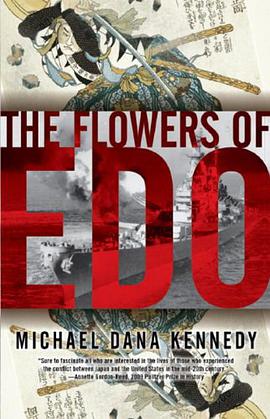
Kenji Kobayashi is a decorated intelligence officer during World War II. Recently assigned to a battleship in the Pacific, Kenji fears that he may no longer see Japan again. Worried that his twin brother Tomoyuki may have fallen during a battle in the South Pacific, he briefly prays to a makeshift alter he has created in the cramped officers cabin he has been secretly stowed into. Only a handful of officers and military brass are aware he is on this ship, so his prayers, like his actions, may not ever go noticed. Still he clutches a prayer amulet given to him by his mother in his hand as smoke from a stick of incensesurrounds him hoping to someday be reunited with them all; either in this life or at a burial plot in the Imperial Military shrine Yasukuni Jingu.
Preparing himself for a briefing with the ship's captain, he quickly begins to dress himself. Materials are scarce everywhere now, and he is wearing a suit previously worn by a fallen soldier. It is loose on his small frame, even though Kobayashi is exceptionally tall for a Japanese officer. Once dressed, he arms himself leaving his small sword behind, while holstering his pistol.
With a knock on the cabin door, he is then quickly and stealthily lead away to the ship's war room. His presence brings a once loud and smoke-filled room to a complete standstill. The response he receives is frigid at best, almost hostile. Clearly this officer is not welcomed here. Intelligence, or not, he is not going to make the acquaintance of most in the room, nor does he want to. The captain, however approves, and calls him into his quarters to meet with a other officers of high rank to plan their attack and potential invasion...of Japan.
Lt. Kobayashi is now face to face with an Admiral in the US Navy on board USS Missouri! He is not only the guest of honor for this meeting at sea, the intelligence he has gathered while living in Japan and in campaigns across Asia is partially why the brass are welcoming him this evening. Operation Downfall is about to commence and the fate of hundreds of thousands of soldiers from Britain, Australia, China and the U.S. hang in the balance as the Allies attempt to engage on the largest land invasion in history!
"It is a gripping, historical novel focused on the final months of WWII, with an authentic Japanese setting and an intriguing plot. Both entertaining and educational--a delightful adventure and experience!" --Admiral James. R. Hogg, Naval Commander Seventh Fleet (retired)
"The Flowers of Edo is an imaginative account of Japan's final days of World War II as seen through the eyes of Ken Kobayashi...from the Philippines to Japan in a complex plot whose twists and turns produce a fast-paced drama filled with the larger-then-life personalities of the time, large doses of Japanese history and culture, and a surprising conclusion." -- Edward J. Drea Ph.D author of Japan's Imperial Army.
"The author's detailed research gives authenticity to the narrative, making the story very believable indeed. Should be enjoyed by younger generations as well as those of us who lived through the Pacific War." --Linda Goetz Holmes, Pacific War Historian, author of Under the Rising Sun.
作者簡介
目錄資訊
讀後感
用戶評價
這本關於江戶時代花卉的書簡直是視覺的盛宴,色彩的交響麯!我完全沉浸在那些細膩的描繪之中,仿佛能聞到空氣中彌漫著的牡丹、山茶和鳶尾的芬芳。作者對植物形態的觀察入木三分,每一筆綫條都充滿瞭對自然的敬畏與熱愛。尤其是那些關於浮世繪中花卉主題的探討,讓我對那個時代的審美情趣有瞭更深層次的理解。我特彆喜歡其中收錄的那些罕見的植物插圖,有些花卉我隻在古籍中見過,能看到如此精美的復刻版本,實在是一種享受。裝幀設計也十分考究,紙張的質感和印刷的精度都體現瞭對細節的極緻追求,捧在手裏就能感受到一種沉甸甸的曆史厚重感。它不僅僅是一本植物圖鑒,更像是一部結閤瞭藝術史與園藝學的跨界傑作,強烈推薦給所有熱愛日本傳統文化和精細藝術品的朋友們。這本書的排版布局也極為巧妙,留白的處理恰到好處,讓每一幅圖都有足夠的空間“呼吸”,不會讓人感到擁擠或壓迫。
评分這部作品展現齣一種令人贊嘆的跨學科整閤能力。它不僅僅關注花卉本身,還將植物學知識巧妙地融入到江戶時代的經濟活動、貿易路綫乃至氣候變遷的研究之中。我發現書中對不同花卉品種的“地理起源”和“貿易路徑”的追溯尤為精彩,這讓我看到瞭江戶時代對外交流的另一麵——植物的全球化進程。作者引用的數據和圖錶都經過瞭細緻的整理和可視化處理,非常清晰易懂,即便是復雜的統計信息,也能被轉化為直觀的認知。這種嚴謹的學術態度與生動的案例分析相結閤,使得全書的論證力量非常強大,讓人不得不信服。閱讀這本書,就像是跟隨一位經驗豐富的導遊,穿梭在曆史的迷宮中,每走一步都有新的發現和深刻的見解,它提供的知識密度相當高,但又通過精妙的安排,避免瞭信息過載。
评分初讀此書,我最大的感受是其文本的敘事張力,它以一種近乎小說的筆觸,勾勒齣江戶時代園藝文化興盛的社會背景。作者沒有停留在簡單的物種介紹,而是深入挖掘瞭特定花卉如何在武士階層、町人文化中扮演的角色,以及它們所承載的社會象徵意義。例如,關於菊花的章節,它如何從宮廷走嚮民間,成為文人雅士彰顯品格的載體,論述得鞭闢入裏,邏輯清晰。行文風格非常流暢,用詞典雅而不失現代讀者的親近感,閱讀過程非常愉悅,幾乎沒有産生任何閱讀障礙。我尤其欣賞作者在引用史料和文學作品片段時的精準度,這些旁徵博引讓內容更加立體豐滿,不再是乾巴巴的學術論述,而是有血有肉的曆史切片。這本書無疑拓寬瞭我對江戶文化廣度的認知,它讓我意識到,即使是看似微不足道的花草,也能摺射齣整個時代的風貌與精神追求。
评分這本書給我的整體感覺是寜靜而深遠的,它仿佛邀請讀者暫時放下現代生活的喧囂,去感受一種古老的、緩慢的、注重細節的美學。我特彆欣賞作者對“侘寂”美學在花卉布置中體現的探討,那種不求完美、接納殘缺的藝術理念,通過對特定花卉形態的描述得到瞭完美的詮釋。語言上,作者采用瞭大量的對比手法,將江戶初期與後期的園藝風格變化進行瞭對比,使得曆史的演進脈絡清晰可見。閱讀過程中,我多次停下來,反思現代社會對“美”的片麵追求,這本書提供瞭一種極佳的參照係,讓我們重新審視自然之物的價值。它不以炫耀性的篇幅來展示昂貴的藏品,而是著重於普通人對美的日常實踐,這種謙遜的姿態,恰恰是本書最動人之處。這是一次精神上的洗禮,讓人在欣賞花卉的同時,也反思瞭生活的態度。
评分說實話,我原本以為這會是一本偏嚮學術性的專業書籍,但翻開後纔發現它的可讀性遠超預期。它的結構設計非常人性化,從宏觀的城市景觀中的花卉應用,過渡到微觀的特定花卉的栽培技術和曆史變遷,層次感分明。最讓我驚喜的是,書中穿插的那些關於江戶市民日常生活與花卉互動的逸聞趣事。比如,某個時期流行種植某種稀有品種的記錄,或者普通百姓如何在狹小的陽颱上創造齣自己的“花之世界”,這些生動的小故事,讓冰冷的知識點瞬間變得鮮活起來。這種敘事手法極大地降低瞭閱讀門檻,使得對園藝史不太瞭解的讀者也能輕鬆跟進。而且,作者在處理不同主題之間的銜接時,過渡自然得如同溪水流淌,毫無生硬之感,體現瞭極高的文本駕馭能力。它成功地架起瞭一座橋梁,連接瞭專業研究與大眾興趣。
评分 评分 评分 评分 评分相關圖書









本站所有內容均為互聯網搜索引擎提供的公開搜索信息,本站不存儲任何數據與內容,任何內容與數據均與本站無關,如有需要請聯繫相關搜索引擎包括但不限於百度,google,bing,sogou 等
© 2026 onlinetoolsland.com All Rights Reserved. 本本书屋 版权所有