


具体描述
In the short fiction of Angela Carter, the landmarks of reality disappear and give way to a landscape of riotous and uncensored sensibility. The city of Tokyo turns into a mirrored chamber reflecting the impossible longings of an exiled Englishwoman abandoned by her Japanese lover. An itinerant puppet show becomes a theatre of murderous lust. A walk through the forest ends in a nightmarish encounter with a gun-toting nymph and her hermaphrodite 'aunt'. Not simply a book of tales, Fireworks is a headlong plunge into an alternate universe, the unique creation of one of the most fertile, dark, irreverent, and baroquely beautiful imaginations in contemporary fiction.
作者简介
Born Angela Olive Stalker in Eastbourne, in 1940, Carter was evacuated as a child to live in Yorkshire with her maternal grandmother. As a teenager, she battled anorexia. She at first worked as a journalist on the Croydon Advertiser, following in the footsteps of her father who was also a journalist. Carter attended the University of Bristol where she studied English literature.
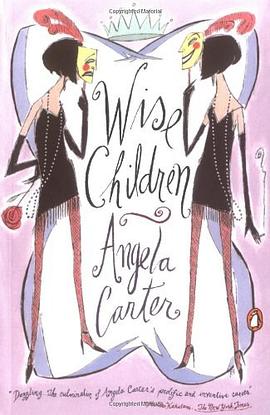
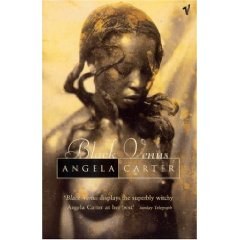
Carter’s writings show the influence of her mother. This influence can be seen in her novel Wise Children, which is notable for its many Shakespearean references. Carter was also interested in reappropriating writings by male authors, such as the Marquis de Sade (see The Sadeian Woman) and Charles Baudelaire (see her short story 'Black Venus'), amongst other literary forefathers. But she was also fascinated by the matriarchal, oral, storytelling tradition, rewriting several fairy tales for her short story collection The Bloody Chamber, including "Little Red Riding Hood", "Bluebeard," and two reworkings of "Beauty and the Beast."
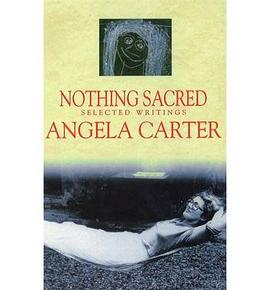
She married twice, the first time in 1960 to a man named Paul Carter. They divorced after twelve years. In 1969 Angela Carter used the proceeds of her Somerset Maugham Award to leave her husband and travel to Japan, living in Tokyo for two years, where, she claims, she "learnt what it is to be a woman and became radicalised" (Nothing Sacred (1982)). She wrote about her experiences there in articles for New Society and a collection of short stories, (1974), and evidence of her experiences in Japan can also be seen in The Infernal Desire Machines of Doctor Hoffman (1972). She was there at the same time as Roland Barthes, who published his experiences in Empire of Signs (1970).
She then explored the United States, Asia and Europe, helped by her fluency in French and German. She spent much of the late 1970s and 1980s as a writer in residence at universities, including the University of Sheffield, Brown University, the University of Adelaide, and the University of East Anglia. In 1977, Carter married again, to her second husband, Mark Pearce.
As well as being a prolific writer of fiction, Carter contributed many articles to The Guardian, The Independent and New Statesman, collected in Shaking a Leg. She also wrote for radio, adapting a number of her short stories for the medium, and two original radio dramas on Richard Dadd and Ronald Firbank. Two of her fictions have been adapted for the silver screen: The Company of Wolves (1984) and The Magic Toyshop (1987). She was actively involved in the adaptation of both films, her screenplays for which are published in the collected dramatic writings, The Curious Room, together with her radioplay scripts, a libretto for an opera of Virginia Woolf's Orlando, an unproduced screenplay entitled The Christchurch Murders (based on the same true story as Peter Jackson's Heavenly Creatures), and other works. These neglected works, as well as her her controversial television documentary, The Holy Family Album, are discussed in Charlotte Crofts' book, Anagrams of Desire (2003).
Her novel Nights at the Circus won the 1984 James Tait Black Memorial Prize for literature.
Angela Carter died aged 51 in 1992 after developing cancer. Below is an extract from her obituary published in The Observer:
"She was the opposite of parochial. Nothing, for her, was outside the pale: she wanted to know about everything and everyone, and every place and every word. She relished life and language hugely, and revelled in the diverse."
Works as translatorThe Fairy Tales of Charles Perrault (1977)
Sleeping Beauty and Other Favourite Fairy Tales (1982) (Perrault stories and two Madame Leprince de Beaumont stories)
目录信息
读后感
评分
评分
评分
评分
用户评价
这本书最让我感到惊喜,也最让我感到困惑的地方,在于它对“符号学”的运用。我不是专业的学者,但能明显感觉到,书中几乎每一个物件,从一把生锈的钥匙,到一盆枯萎的盆栽,都承载着远超其物理意义的复杂指涉。作者似乎在构建一个全新的、只存在于书本内部的符号系统,这个系统有着自己严苛的内部规则和关联。很多时候,我会读到一段充满画面感的描述,但紧接着,我就会陷入沉思:这段描述到底象征着角色的内心恐惧,还是预示着某种即将到来的命运转折?这种过度解读的可能性,让阅读过程充满了迷宫般的乐趣和挫败感。我试着去寻找那些“标准答案”,但很快就放弃了。作者似乎在暗示,对意义的探求本身,比找到一个确切的意义更为重要。因此,这本书更适合那些喜欢在文本的缝隙中寻找暗语、享受智力博弈的读者,对于追求一目了然故事线的读者来说,可能会感到相当的晦涩和疲惫。
评分我通常偏爱那些节奏明快、人物性格鲜明的类型小说,所以当我拿起这本书时,内心是抱着一种“完成任务”的心态的。然而,这本书彻底颠覆了我对“叙事节奏”的认知。它太安静了,安静得近乎于沉闷。大量的篇幅被用来描写那些看似与主线毫无关联的日常细节:邮递员每天投递信件的固定路线、厨房里咖啡豆研磨的声音、窗外苔藓生长的速度。起初我非常不耐烦,觉得这简直是在浪费纸张。但读到中段,我意识到这是一种高明的“反高潮”策略。通过这种对琐碎现实的极度写实,作者反而将那些突如其来的、小小的、却具有决定性意义的事件衬托得无比巨大。当那个唯一的冲突点终于出现时,那种冲击力并非来自事件本身的戏剧性,而是来自此前那漫长、压抑的平静的对比。它像是一场漫长的大雪,你几乎要忘记冬天会下雪,直到第一片雪花落下时,才猛然惊觉天地的辽阔与寒冷。
评分从纯粹的文本工艺角度来看,这本书无疑是大师级的作品,尤其是在语言的音乐性和节奏感上。作者对于词语的选择极其考究,仿佛他是在雕刻声音,而非书写文字。有些句子读起来,你会情不自禁地想要大声朗读出来,因为它们内部自带一种韵律感,如同巴赫赋格曲般严谨而又充满生命力。但我必须坦诚,这本书带来的情感体验是极其疏离的。主角们似乎都带着一层无形的玻璃罩,无论他们经历何种痛苦或狂喜,我都无法真正地“共情”到他们。他们更像是存在于作者哲学思辨中的理想模型,而非有血有肉的人类。我欣赏作者高超的技巧,但我发现自己始终在“观察”故事,而不是“沉浸”其中。这让我联想到那些精美的、无法触摸的艺术品,它们在技术上无可挑剔,但在人性的温度上,却显得有些清冷和遥远。对于追求强烈情感连接的读者而言,这本书可能会让你感到一种智力上的满足,但心灵的触动或许会略显不足。
评分老实说,我最初接触这本书是冲着它在文学评论界引起的巨大争议去的,许多人都在讨论作者在结构上玩弄的那些“非线性叙事诡计”。读完之后,我才明白,这种“诡计”远非故弄玄虚,它更像是一种精密的数学结构,用以探讨时间在记忆中的扭曲和重塑。故事线索像多股细流,时而汇合,时而又分离,时空跳跃的幅度极大,常常让你在上一页还沉浸在十九世纪末的巴黎沙龙里,下一页就猛然被拉回某个未来主义的冰冷都市。这种阅读挑战性极强,如果稍微走神,就很容易迷失方向。我不得不准备一本笔记本,画着时间轴和人物关系图来辅助理解。然而,一旦你掌握了作者构建的逻辑框架,那种豁然开朗的震撼感是无与伦比的。它迫使你重新审视阅读本身的意义——我们是在被动接受故事,还是主动参与构建意义?这本书无疑站在了强迫读者参与者的位置上,它不是给你一杯温水,而是给你一整套复杂的蒸馏设备,让你自己去提炼出真相的本质。
评分这本书的封面设计得极其引人注目,那种深邃的靛蓝背景上,点缀着如同星云般流动的金色线条,初看之下,还以为是什么晦涩的古代神话集。我翻开第一页,就被作者那种如同老派小说家般的叙事节奏给抓住了。他似乎不急于抛出什么惊天动地的事件,而是像一位经验老到的导游,耐心地带领你走过一条蜿蜒曲折的小径。语言的密度很高,充满了古典的韵味和对细节的执着描摹。比如,对主角初次踏入那个北方小镇的清晨雾气的描写,细致到能让你闻到湿润泥土和远方壁炉里木柴燃烧的烟火气。人物的内心挣扎被剖析得极为透彻,他们的每一个犹豫、每一个眼神的闪烁,都似乎承载着千斤之重。我花了整整一个下午才读完前三章,不是因为情节拖沓,而是因为我忍不住要反复咀嚼那些句子,它们就像一块块精心打磨过的宝石,需要放在光线下细细品味才能领略其内在的光泽和棱角。这种阅读体验,更像是在进行一场沉浸式的文学考古,你需要放慢呼吸,才能真正听见那些被时间掩盖的低语。
评分变态英国佬
评分变态英国佬
评分头疼
评分变态英国佬
评分变态英国佬
相关图书








本站所有内容均为互联网搜索引擎提供的公开搜索信息,本站不存储任何数据与内容,任何内容与数据均与本站无关,如有需要请联系相关搜索引擎包括但不限于百度,google,bing,sogou 等
© 2026 onlinetoolsland.com All Rights Reserved. 本本书屋 版权所有