

具体描述
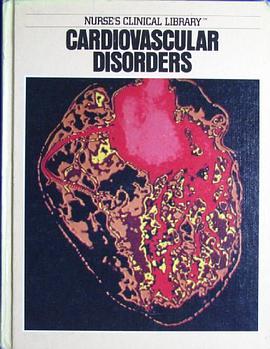
ew knowledge and new procedures<br > for detecting and treating various<br > cardiovascular disorders have pro-<br > foundly changed cardiovascular<br > nursing. When it applies to acute<br > illness, cardiovascular nursing now<br >takes place almost exclusively in the highly<br >specialized cardiac care and surgical intensive<br >care units.<br > But that s just part of it. The new emphasis<br >on holistic and preventive care has expanded<br >nursing involvement during early prodromal<br >stages of cardiovascular illness and during<br >chronic maintenance as well. Such involve-<br >ment often takes place at sites away from the<br >hospital where nurses must practice more<br >independently than ever before. For example,<br >nurses have become coordinators of cardiac<br >rehabilitation programs. In this role, they work<br >with exercise physiologists, cardiologists, and<br >nutritionists. They define patient entrance<br >criteria, set exercise protocols, and establish<br >patient education programs. Similarly, nurses<br >have entered collaborative practices with car-<br >diac surgeons and cardiologists in outpatient<br >clinics--notably those for patients with hy-<br >pertension or pacemakers--in which they<br >manage patient care under standardized pro-<br >t0cols and conduct independent and collabo-<br >rative research in cardiac-care settings. In<br >the emergency department and all other hos-<br >pital departments, nurses must be ready to<br >handle sudden dysrhythmia, shock, or cardiac<br >arrest, knowing which situations are likely<br >to provoke cardiovascular complications or<br >emergencies and how to handle them<br >correctly.<br > To meet these challenging new responsibili-<br >ties, nurses need to continuously expand and<br >update their understanding of the cardiovas-<br >cular system and its normal function, and the<br >devastating effects of its dysfunction on inter-<br >locking vital systems. CARDIOVASCULAR DISOR-<br >DERS, the first volume of a new reference series<br >for nurses, will help you meet these new chal-<br >lenges. The first section, the introduction,<br >reviews cardiovascular fundamentals. The<br >chapters in this section review cardiovascular<br > anatomy and physiology and the mechanisms<br > of heart failure. They also contain complete<br > information on cardiovascular assessment and<br > diagnostic tests, including such advances as<br > nuclear magnetic resonance (NMR) scanning<br > and digital subtraction angiography.<br > The remaining three sections of this volume<br > cover specific disorders of circulation, pump<br > failure, cardiac musculature, and electrocon-<br > duction. Each chapter contains three major<br > sections. Pathophysiology covers the causes,<br > fundamental mechanisms, and characteristic<br > signs and symptoms of each disorder, and<br > its effects on the cardiovascular system and<br > vital organs. Medical management focuses on<br > specific tests and other diagnostic methods<br > used to detect each disorder, and discusses<br > their characteristic findings. This part of each<br > chapter also summarizes treatment, including<br > new and traditional drug therapy, surgery,<br > and supportive procedures. Nursing manage-<br > ment provides detailed information for plan-<br > ning nursing care, presented according to the<br > nursing process. For each disorder, the dis-<br > cussion includes a detailed patient history,<br > characteristic assessment findings, and typical<br > nursing diagnoses. Expanding on these diag-<br > noses, it summarizes the goals of patient care,<br >suggests nursing interventions needed to<br >achieve them, and, finally, offers a guide to<br >evaluation.<br > Throughout this volume, scores of useful<br >anatomic drawings, illustrations, charts, and<br >diagrams clarify and augment the text. Special<br >graphic devices call attention to patient-<br >teaching aids and emergency management of<br >life-threatening complications, such as hyper-<br >tensive crisis and acute pulmonary edema.<br >Two appendices provide supplementary infor-<br >mation on congenital heart defects and car-<br >diovascular drugs.<br > Given nursing s expanding role in health<br >care, nurses have a special need to keep their<br >knowledge of cardiovascular disorders current<br >and accurate. This volume--which offers such<br >knowledge in both theoretical and practical<br >forms--will be an excellent reference for<br >nurses at all professional levels.<br >
作者简介
目录信息
读后感
用户评价
我是在一次科室轮岗中被推荐使用这本《心血管疾病:护士临床图书馆》的,期待它能成为我应对复杂心衰病人和高血压危象的“秘密武器”。翻阅之后,我发现它更像是一个详尽的“百科全书”,而非一本“工具箱”。比如,在处理难治性高血压的章节,作者花了大量的篇幅去讨论各种新型降压药物(比如某些新型的肾素-血管紧张素系统抑制剂的第三代衍生物)的作用靶点及其在基础研究中的最新发现,而不是直接给出“当患者血压达到XXX/YYY,且合并XXX并发症时,首选联合用药方案是什么”这样的实操建议。我理解知识的全面性很重要,但临床工作往往是与时间赛跑,我更需要的是那种“一看就知道该做什么”的清晰指引。书中的案例分析虽然深入,但大多是理想化的、控制良好的学术研究场景,与真实病房中多重用药、合并多种基础疾病的复杂患者情况,总感觉隔着一层。阅读这本书需要极大的专注度和时间投入,我常常在读完一个关于左心室重构的章节后,感觉自己对理论知识有了飞跃性的提升,但一回到床边,面对那位呼吸困难的患者,我反而会因为信息量过载而感到一丝迷茫——我到底该优先处理的是血氧饱和度下降,还是赶紧去查阅书中关于容量负荷管理的深层理论?这本书更像是培养一个“理论家”护士的材料,而不是一个“实干家”护士的日常助手。
评分这本厚重的《心血管疾病:护士临床图书馆》翻开,首先映入眼帘的是密集的图表和复杂的生理学解释,看得我心里直打鼓。我原本以为这会是一本能让我快速上手、针对日常临床问题的实用手册,毕竟“临床图书馆”这个名字听起来就很接地气。然而,书的开篇就深入探讨了心肌细胞的电生理特性和离子通道的精细调控机制,这部分内容对于一个刚接触心血管护理不久的新手来说,简直是天书。我花了好大力气才勉强跟上作者的思路,理解了为什么不同抗心律失常药物会对QT间期产生截然不同的影响。整本书的结构更像是教科书的深入拓展版,而非快速参考指南。每一章的理论铺垫都极其详尽,这无疑对那些追求知识深度、希望彻底弄懂“为什么”的资深护士或护理学生来说是宝贵的财富,但对于我这种急需在繁忙的病房里查找特定药物剂量或紧急处理流程的人来说,定位信息的过程显得有些漫长和繁琐。我特别希望书中能有更清晰的流程图或决策树,哪怕是用醒目的颜色标示出来,以便在面对突发状况时能迅速找到关键信息,而不是沉浸在对病理生理学机制的深度剖析中。虽然内容专业性毋庸置疑,但其编写风格更偏向学术研究而非一线操作指导,这使得我的学习曲线变得异常陡峭。
评分我与这本书的缘分,始于对提升自身专业性的渴望,但相处下来,我感受到了知识的“密度”和“重量”,而非“效率”和“易得性”。这本书的语言风格非常严谨,学术气息浓厚,几乎没有使用任何口语化或便于记忆的助记符或缩写解释,每一个术语都精确无误地对应着教科书上的定义。比如,在讨论利尿剂在容量管理中的应用时,它会细致区分袢利尿剂在不同肾小球滤过率下的作用机制差异,而不是简单地告诉你在急性肺水肿时“加大剂量”或“联合应用另一种药物”。这种严谨性无疑提升了本书的权威性,但也极大地增加了阅读的“摩擦力”。我发现,每当我试图在短时间内吸收核心信息时,这种过于细致的、追求“完美”的理论阐述,反而成了阻碍。它更像是一部需要沉下心来,在安静的书房里,配着咖啡和荧光笔,进行系统性学习的著作,而不是一本可以随时带到忙碌的护士站,在间隙中快速查阅、迅速获得答案的“口袋书”。总而言之,它的价值在于构建宏大的、扎实的理论框架,但对于那些寻求快速解决具体临床痛点的护士来说,可能需要配合其他更侧重实践操作的材料。
评分从内容广度的角度来看,《心血管疾病:护士临床图书馆》无疑是包罗万象的,它几乎涵盖了从基础的心血管药理学到最前沿的介入治疗护理支持。然而,这种“大而全”的取向,在一定程度上牺牲了对特定、高频临床场景的深度聚焦。比如,书中花了相当的篇幅讨论了罕见的心肌病变,分析了其分子遗传学基础,这对于专科研究人员来说是极具价值的,但对于综合性医院普通病房的轮班护士而言,这类知识的优先级就相对靠后了。我真正需要的,是关于如何有效管理长期导管相关并发症(如CLABSI预防、植入式除颤器或起搏器患者的日常随访和教育要点)的更具操作性的章节。书中对此类内容虽有提及,但往往是一笔带过,没有深入到“如何与患者沟通植入物限制”、“如何进行首次术后生命体征监测的细节调整”等护士最常遇到的实际操作困境中。这让我感觉,作者在构建知识体系时,可能更多地站在了生理学和药理学教授的视角,而非一个每天需要与设备、患者和家属打交道的临床一线护理人员的视角。这本书更适合作为深入研究的参考,而非日常护理决策的即时支持。
评分这本书的排版和插图设计,坦白讲,让我有些吃力。作为一本面向临床实践的书籍,其视觉呈现的清晰度和易读性是至关重要的。然而,这本书中充满了大量复杂的心电图波形分析图和器官系统间的相互作用网络图,这些图示虽然在信息密度上无可挑剔,但往往颜色灰暗、线条交织,很多关键的标记点需要我反复对照旁边的文字注释才能勉强辨认。我曾尝试快速翻阅关于急性冠脉综合征(ACS)急救流程的部分,期望能看到类似流程图的形式,快速确定何时给予阿司匹林、P2Y12抑制剂以及硝酸酯类药物的时机和剂量。结果,书中是用大段的文字描述了不同指南(ACC/AHA、ESC)对时间窗的要求和药物间的相互作用风险,图表更多是展示了炎症标志物随时间的变化趋势。这使得我在高压情境下,很难快速提取出“If A then B, Else C”的决策路径。我更倾向于那些使用鲜明对比色、流程清晰、甚至可以撕下来贴在工作站旁边的指南摘要式的书籍。这本书要求读者具备极强的文本处理能力和耐心去解码复杂的视觉信息,对于夜班或疲劳状态下的阅读体验并不友好,感觉更像是为图书馆收藏而编写的参考书,而非为临床一线服务的工具书。
评分 评分 评分 评分 评分相关图书












本站所有内容均为互联网搜索引擎提供的公开搜索信息,本站不存储任何数据与内容,任何内容与数据均与本站无关,如有需要请联系相关搜索引擎包括但不限于百度,google,bing,sogou 等
© 2026 onlinetoolsland.com All Rights Reserved. 本本书屋 版权所有