
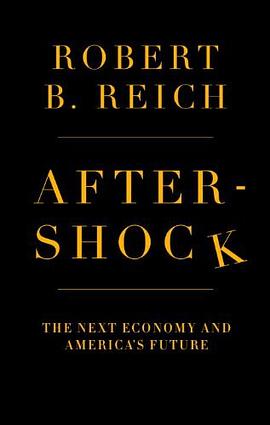

具体描述
A brilliant new reading of the economic crisis—and a plan for dealing with the challenge of its aftermath—by one of our most trenchant and informed experts.
When the nation’s economy foundered in 2008, blame was directed almost universally at Wall Street. But Robert B. Reich suggests a different reason for the meltdown, and for a perilous road ahead. He argues that the real problem is structural: it lies in the increasing concentration of income and wealth at the top, and in a middle class that has had to go deeply into debt to maintain a decent standard of living.
Persuasively and straightforwardly, Reich reveals how precarious our situation still is. The last time in American history when wealth was so highly concentrated at the top—indeed, when the top 1 percent of the population was paid 23 percent of the nation’s income—was in 1928, just before the Great Depression. Such a disparity leads to ever greater booms followed by ever deeper busts.
Reich’s thoughtful and detailed account of where we are headed over the next decades reveals the essential truth about our economy that is driving our politics and shaping our future. With keen insight, he shows us how the middle class lacks enough purchasing power to buy what the economy can produce and has adopted coping mechanisms that have a negative impact on their quality of life; how the rich use their increasing wealth to speculate; and how an angrier politics emerges as more Americans conclude that the game is rigged for the benefit of a few. Unless this trend is reversed, the Great Recession will only be repeated.
Reich’s assessment of what must be done to reverse course and ensure that prosperity is widely shared represents the path to a necessary and long-overdue transformation. Aftershock is a practical, humane, and much-needed blueprint for both restoring America’s economy and rebuilding our society.
作者简介
Robert B. Reich is Chancellor's Professor of Public Policy at the Richard and Rhoda Goldman School of Public Policy at the University o f California, Berkeley. He has served in three national administrations, most recently as secretary of labor under President Bill Clinton. He has written twelve books, including The Work of Nations, which has been translated into twenty-two languages, and the best seller Supercapitalism. His articles have appeared in The New Yorker, The Atlantic, The New York Times, The Washington Post, and The Wall Street Journal. He is also cofounding editor of The American Prospect magazine and provides weekly commentaries on public radio's Marketplace. He lives in Berkeley and blogs at www.robertreich.org.
目录信息
读后感
Summary: (the underline part is what I view as core of each chapter.) The lobbyists and economists working for Wall Street and big corporations say that the problem of 2008 financial crisis is most Americans have lived beyond their means and must now endur...
评分Summary: (the underline part is what I view as core of each chapter.) The lobbyists and economists working for Wall Street and big corporations say that the problem of 2008 financial crisis is most Americans have lived beyond their means and must now endur...
评分Summary: (the underline part is what I view as core of each chapter.) The lobbyists and economists working for Wall Street and big corporations say that the problem of 2008 financial crisis is most Americans have lived beyond their means and must now endur...
评分Summary: (the underline part is what I view as core of each chapter.) The lobbyists and economists working for Wall Street and big corporations say that the problem of 2008 financial crisis is most Americans have lived beyond their means and must now endur...
评分Summary: (the underline part is what I view as core of each chapter.) The lobbyists and economists working for Wall Street and big corporations say that the problem of 2008 financial crisis is most Americans have lived beyond their means and must now endur...
用户评价
第二段: 这本小说给我的感觉,简直就像是走进了一个精心布置的迷宫,每走一步都需要极度的谨慎,生怕错过任何一个隐藏的线索。它的叙事结构极其精妙,时间线似乎是跳跃的,但每一次跳跃都像是在拼凑一块更大、更复杂的拼图。我特别欣赏作者对于环境和氛围的营造能力,那种弥漫在字里行间的疏离感和不确定性,让人始终保持着高度的警觉。我花了很长时间去回味那些看似不经意的对话和场景描述,它们背后往往隐藏着巨大的信息量或者情感张力。这绝对不是一本可以“边看边做别的事情”的书,它要求你全神贯注,像个侦探一样去解读每一个符号。我喜欢这种智力上的挑战,作者似乎在和读者玩一场高智商的游戏,而赢得这场游戏的秘诀,在于你对细节的捕捉能力。而且,角色之间的关系网错综复杂,谁是盟友,谁是对手,界限模糊得让人心惊。读到后半段,我甚至开始怀疑自己之前的所有判断,那种被叙事牵着鼻子走的快感,实在是太棒了。这本书的后劲很大,合上书本的那一刻,我感觉自己的思维模式都被某种程度上重塑了。
评分第四段: 这本书最让我印象深刻的是它对“群体心理”的剖析,简直是教科书级别的案例。当社会结构面临崩塌或剧变时,个体是如何被裹挟、被同化,又是如何在这个过程中找到自己的道德罗盘的,作者描绘得丝丝入扣。那些配角虽然戏份不多,但每一个都形象饱满,他们代表了面对危机时不同的人性侧面:有犬儒主义者,有盲目服从者,也有默默坚守良知的人。我感觉作者不仅仅是在讲一个故事,更像是在进行一次社会学实验的记录。特别是在描述信息不透明或被操纵时,人们是如何轻易地放弃独立思考,转而接受一个更简单的、哪怕是虚假的叙事,这一点看得我心惊胆战。这不仅仅是小说里的情节,联系现实世界,你会觉得它有着惊人的现实预言性。我甚至想去查阅一些相关的历史背景资料,以更好地理解作者在构建这个世界观时所参考的现实基础。这本书的格局很大,它超越了个人恩怨情仇,上升到了对人类社会未来走向的深刻关切。读完后,我对他人的言行会更加多一份审视和探究。
评分第一段: 这本书,嗯,怎么说呢,读完之后我的脑子里像是经历了一场地震后的余波,那种震撼感久久不能散去。作者对人物内心的刻画简直是入木三分,每一个选择,每一个挣扎,都让我感同身受。特别是在描写主角面对巨大变故时的那种无力和挣扎,那种试图抓住最后一丝希望的卑微和伟大,都展现得淋漓尽致。我记得有几个场景,那种压抑到极致的情绪,我差点需要停下来深呼吸才能继续读下去。这不是那种情节跌宕起伏到让人喘不过气的类型,它的力量来自于对人性深处最隐秘角落的挖掘。你会开始思考,如果换成是我,在那种极端压力下,我还能保有多少自我?书里那些关于重建、关于遗忘与铭记的探讨,特别触动我。它不是在提供简单的答案,而是在抛出更深刻的问题,逼着你去面对那些不安的真相。那种感觉就像是,你以为自己已经走出来了,结果翻过下一页,又被拽回了那个充满尘埃和废墟的现场。作者的文笔非常细腻,即便是描绘最残忍的画面,也有一种近乎诗意的克制,这让整个故事的基调既沉重又带着一丝不易察觉的希望之光。我得承认,读完后,我的世界观在那一刻仿佛也被重新校准了。
评分第三段: 坦白说,这本书的节奏感把握得相当老道,它不是那种从头到尾都保持在最高亢状态的作品,而是懂得张弛有度。它会用大段的篇幅去细细描摹主角日常生活的琐碎和平静,让你放松警惕,以为一切都将回归常态,然后,就在你最不设防的时候,冷不防地给你一记重拳。这种手法非常高明,它让那些突然爆发的冲突显得更加具有毁灭性,因为读者已经被成功地带入了那种“安全”的错觉中。我尤其喜欢它对“时间”这个概念的处理,有时感觉事件发生得缓慢如蜗牛爬行,有时又像失控的列车呼啸而过,这种主观时间感与客观事件的并置,产生了奇妙的化学反应。对于文学性有要求的读者,这本书绝对能满足你,它的语言充满了层次感和隐喻,很多句子需要反复咀讨才能品出其中深意。我甚至在网上找了一些读后感,发现不同的人对同一段落有着截然不同的解读,这充分说明了作者在文本中留下的解读空间是多么的广阔和耐人寻味。它更像是一件艺术品,而不是单纯的消遣读物。
评分第五段: 这本书的氛围感,是那种即使你闭上眼睛,那些画面感也会立刻涌上心头的力量。我能闻到空气中弥漫的灰尘味,能感受到那种潮湿、压抑的寒意,甚至能听到远处微弱的、令人不安的声响。作者在构建场景时,似乎是运用了多种感官的调动,而不是单纯的视觉描写。这种沉浸式的体验,使得阅读过程更像是一场冒险,你是在和角色一起“经历”这一切,而不是远远地旁观。而且,故事中对“记忆碎片”的处理极其巧妙,那些闪回并不是简单的插叙,它们更像是主角内心深处被压抑的情绪的间歇性爆发,每次出现都伴随着新的理解和更深的痛苦。我特别喜欢作者在处理高潮部分时,没有选择那种好莱坞式的夸张表现,而是选择了内敛而克制的爆发,那种情绪的累积和最终的释放,是含蓄却又无比强大的。这本书读起来并不轻松,它需要你付出情感和智力的双重投入,但最终的回报是巨大的——它会让你对“生存”这个看似简单的词汇,产生一个全新的、更复杂的理解。
评分Refreshing viewpoints. 用收入分配不均导致实际购买力降低和个人贷款增加(以保持原有生活水平),来解读2008金融危机。同时,对比了历史上的3个类似的阶段(1870-1929,1947-1975,1980-2010)。
评分Refreshing viewpoints. 用收入分配不均导致实际购买力降低和个人贷款增加(以保持原有生活水平),来解读2008金融危机。同时,对比了历史上的3个类似的阶段(1870-1929,1947-1975,1980-2010)。
评分Refreshing viewpoints. 用收入分配不均导致实际购买力降低和个人贷款增加(以保持原有生活水平),来解读2008金融危机。同时,对比了历史上的3个类似的阶段(1870-1929,1947-1975,1980-2010)。
评分Refreshing viewpoints. 用收入分配不均导致实际购买力降低和个人贷款增加(以保持原有生活水平),来解读2008金融危机。同时,对比了历史上的3个类似的阶段(1870-1929,1947-1975,1980-2010)。
评分Refreshing viewpoints. 用收入分配不均导致实际购买力降低和个人贷款增加(以保持原有生活水平),来解读2008金融危机。同时,对比了历史上的3个类似的阶段(1870-1929,1947-1975,1980-2010)。
相关图书







本站所有内容均为互联网搜索引擎提供的公开搜索信息,本站不存储任何数据与内容,任何内容与数据均与本站无关,如有需要请联系相关搜索引擎包括但不限于百度,google,bing,sogou 等
© 2026 onlinetoolsland.com All Rights Reserved. 本本书屋 版权所有