

具体描述
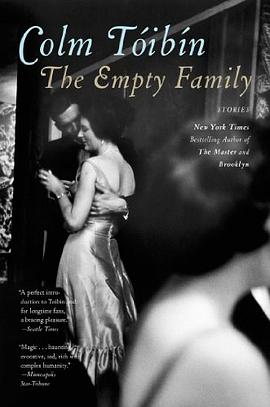
From the internationally celebrated author of Brooklyn and The Master, and winner of the International IMPAC Dublin Literary Award, comes a stunning new book of fiction. In the captivating stories that make up The Empty Family, Colm Tóibín delineates with a tender and unique sensibility, lives of unspoken or unconscious longing, of individuals often willingly cast adrift from their history. From the young Pakistani immigrant who seeks some kind of permanence in a strange town, to the Irish woman reluctantly returning to Dublin and discovering a city that refuses to acknowledge her long absence, each of Tóibín's stories manage to contain whole worlds: stories of fleeing the past and returning home, of family threads lost and ultimately regained. Like Tóibín's celebrated novels, and his previous short story collection, Mothers and Sons, reviewed on the front page of the New York Times Book Review, The Empty Family will further confirm Tóibín's status as "his generation's most gifted writer of love's complicated, contradictory power." (Los Angeles Times) From the Hardcover edition
作者简介
Colm Tóibín Colm Tóibín was born in Ireland in 1955. He is the author of six novels including The Blackwater Lightship, The Master, winner of a Los Angeles Times Book Prize, and Brooklyn, winner of a Costa Book Award. Twice shortlisted for the Man Booker Prize, Tóibín lives in Dublin and New York. Biography Colm Tóibín is a literary star of the "new" Ireland, the one -- as noted by National Public Radio's Jacki Lyman -- is short on whiskey and St. Patrick and long on cell phones, personal computers, and a stage set for economic opportunity. This is an Ireland where the people stop to cheer an author, yes, an author, whose latest novel has been shortlisted for the Booker Prize, even though its key subject matter is the protagonist's struggle with his homosexuality. "When I went down to get my groceries, people stopped their car and got out of them and waved at me and looked at me as though I was an athlete and shouted at me, ‘Come on, you can do it. You can do it,'?" Tóibín said on NPR's All Things Considered in 2000. "And I basked in the sunshine of Irish approval and love for about three weeks.... You know, sort of -- I keep wondering when this, you know, backlash or something is going to happen, but I'm afraid it isn't going to happen. I'm afraid the country has changed, and being a writer there is actually quite a nice thing these days." In fiction, travelogues, essays, and newspaper columns, Tóibín has established himself as a writer who can connect both the political and the personal to a sense of place. Though his work has often been informed by the political history of Ireland, he has also drawn on his travels to places like Spain and Argentina to create settings for his work. And, even though his current home of Dublin has never made an appearance in any of his fiction, the environs of his youth -- County Wexford -- have been prominent. The Washington Post, in a 2000 review of The Penguin Book of Irish Fiction, which Tóibín edited, called him a "journalist and critic of influence, a brilliant novelist steadily harvesting his own postage-stamp piece of Wexford as diligently as Faulkner worked Mississippi." "Colm Tóibín has established himself as a major and distinctive voice in contemporary Irish fiction," the Dictionary of Literary Biography has noted. "While his work makes much of the complex associations between people and place, he eschews easy stereotypes of Irishness in favor of the often-contradictory impulses that pull on contemporary lives. Tóibín was born into a family that had a long history in his hometown. His father, who died when Tóibín was 12, was a local schoolteacher, and his grandfather was a member of the Irish Republican Brotherhood and was twice imprisoned by British authorities for civil disobedience against British rule. Tóibín explored this history as a writer, following four years teaching English in Barcelona, Spain. He began as a features editor but moved to editing a current affairs magazine and joined the Sunday Independent in Dublin in 1985 as a columnist. As an author, he started by writing travelogues on Ireland and Spain before publishing his first novel in 1990. The South, which draws on Ireland's Catholic-Protestant tensions as well as Tóibín's life in Spain, is about an Irish woman who leaves her husband and son and moves to Spain, falls in love with a political artist, and returns to Ireland as an artist herself, once her son is grown. This novel would establish Tóibín's reputation as a writer with a keen sensibility for characterization ("His novels have been noted for their deft characterizations, particularly of women, as evidenced by the strong female protagonist in The South," noted Contemporary Literary Criticism), but it wasn't until later novels such as The Story of the Night and The Blackwater Lightship that readers would realize his insight into gay characters as well. "This is not a simple, upbeat story about gay liberation or political activism," Merle Rubin wrote in The Christian Science Monitor in 1997. "Powerfully imagined and tautly written, it is a subtly shaded portrait of a country in transition, a culture beginning to reflect important political changes, and a man coming to a new understanding of himself." David Bahr, writing in The Advocate in 2000, predicted that The Blackwater Lightship -- now that it had been shortlisted for the Booker Prize -- would finally make Tóibín known outside his magazine's primary readership: "His latest...should finally prove to straight American readers what many gay people have long known: that Tóibín is one of the more honest and subtly powerful novelists publishing today.... Perceptive and moving, The Blackwater Lightship again reveals Tóibín to be the kind of restrained, quiet writer whose prose feels as natural as breathing. His poetic narrative is so understated that its profound lyricism often takes you by surprise, infusing a potentially familiar tale with vibrant new life." Mixing fiction and biography in 2004, Tóibín penned a novel inspired by the life of Henry James. "Ambitious and gracefully plotted," said the New Statesman. In the pages of London's Observer, a previous Tóibín skeptic confessed he had been swayed. "There's little in Colm Tóibín's previous work, to some of which this reviewer has been immune or even mildly allergic, to prepare for the startling excellence of his new novel," Adam Mars Jones wrote, "The Master is a portrait of Henry James that has the depth and finish of great sculpture." Moving fully into nonfiction, Tóibín continued to impress. The New Statesman observed that The Irish Famine: A Documentary was "no arid survey of the historiography of the famine, but a stimulating quest, prompted by a personal and vocational curiosity. And Joseph Olshan, writing in Entertainment Weekly in 1995, awarded Tóibín's The Sign of the Cross: Travels in Catholic Europe an A, not only for its ability to dissect the Church's close relationship with European politics and social order. "[W]hat Tóibín comes back to is the transcendent power of Catholic ritual," Olshan writes. "Indeed, in a very moving centerpiece, Tóibín describes a therapy session during which he relives his father's death and comes to realize that his most profound wish is to bless his deceased parent with the sign of the cross. This is an extraordinary document." But it may always be the intensely personal moments in his fiction that will always stand out. Susan Salter Reynolds noted as much in the Los Angeles Times in 2000. "There is little reconciliation in Colm Tóibín's novels; moments in which the stage is set for it usually pass," she wrote. "His novels build to these moments, fraught with potential, from which the air goes out with a nasty little hiss, and a new chapter, full of reasons not to live, begins.... It's good to read Tóibín's honest novels, in which human beings fail to forgive, fail to understand. We spend so much of our lives in the dark, shouldn't literature face this as squarely as we must?" Good To Know Tóibín's novel The Story of Night is No. 84 on the Publishing Triangle's list of the best 100 gay and lesbian novels of all time. He counts two books by James Baldwin -- Giovanni's Room and Go Tell It on the Mountain -- as major influences on his work. Tóibín covered the downfall of the military dictatorship in Argentina in 1985. He joined such authors as Roddy Doyle in the 1997 novel Finbar's Hotel, in which each of the seven authors wrote individual chapters set in the same 24-hour period at a fading hotel. Hometown: Dublin, Ireland Date of Birth: 五月 30, 1955 Place of Birth: Enniscorthy, County Wexford, Ireland Education: St. Peter's College, Wexford; University College, Dublin, B.A. in English and history Website: http://www.colmtoibin.com
目录信息
读后感
朋友分享了《一减一》里很美的唠叨,让我对托宾的书产生了无限向往。结果有点失望。对于译文这种再创作的成果,我可以容忍它不够准确,没忠实重现原文风格,但我需要看到足够爽的中文哦…特别是托宾写的很多纤细的感触,文字稍微随便一点,美感就大打折扣唉。 我厌恶《采珠人》...
评分爱尔兰作家和诗人都比较独特有才气。托宾的短篇一开始读比较惊艳,和美国作家的单刀直入或是拉美作家的狂放不羁不同,他更像是情感受挫的女子。他的内心丰富,情感细腻,听他娓娓道来,是被历史被过往的黑暗压得喘不过气来的中年人,面对故土和友人,一段段苍白无助的独白和欲...
评分2004年起联合国教科文组织先后评定了世界上二十几个城市为“文学之都”。评定的标准包括文学传统,一个城市文学发展的整体情况,包括文学出版物的品种、数量和质量等等多种关于文学作品的因素。评定的城市就包括克拉科夫、爱丁堡、墨尔本等城市。而都柏林的文学发展成果也使之...
评分朋友分享了《一减一》里很美的唠叨,让我对托宾的书产生了无限向往。结果有点失望。对于译文这种再创作的成果,我可以容忍它不够准确,没忠实重现原文风格,但我需要看到足够爽的中文哦…特别是托宾写的很多纤细的感触,文字稍微随便一点,美感就大打折扣唉。 我厌恶《采珠人》...
用户评价
这本小说简直是心灵的探照镜,它没有提供任何直白的答案,而是用一种近乎残酷的真实,将现代人那种微妙的疏离感剖开了给我们看。我读完之后,心里久久不能平静,仿佛自己刚刚经历了一场漫长而又安静的告别。作者对人物内心细微波动的捕捉,达到了令人咋舌的精确度,那些未说出口的、藏在日常琐事下的情感暗流,被她描摹得丝丝入扣。特别是主角在处理家庭关系时的那种犹豫和退缩,让人联想到我们自己生活中那些因为害怕打破平衡而选择沉默的瞬间。这本书的叙事节奏很慢,但绝不是拖沓,而是一种刻意的、深呼吸般的节奏,让你不得不沉浸其中,去体会每一个停顿、每一个眼神的交汇背后所蕴含的巨大信息量。它没有激烈的冲突,更多的是一种渗透式的、缓慢瓦解人心的力量。如果你期待那种情节大起大落的故事,这本书可能不适合你,但如果你渴望在文学中寻找共鸣,理解人性的幽微复杂,那么它无疑是一次深刻的阅读体验。这本书的后劲很大,读完很久,我依然会时不时地想起书中的某一个场景,那种无声的张力,比任何喧哗都更具穿透力。
评分阅读体验是极其私密且带有强迫性的。它不是那种可以让你轻松翻阅的小说,它更像是一块需要细细咀嚼的琥珀,里面封存着一种特定的、略带霉味的怀旧气息。书中的“家庭”概念被彻底解构了,它不再是温暖的港湾,而更像是一个充满历史遗迹的博物馆,每个人都是被动的参观者,在各自的展品前驻足,却不愿多谈。我欣赏作者那种拒绝提供舒适区的写作态度,她坚持将读者置于一种轻微的不安之中,迫使我们去面对自身经验中那些难以名状的空缺。这本书的文学性体现在其对氛围的极致掌控上,从开篇的第一页到最终的合上,那种弥漫在字里行间的淡淡的哀愁和疏离感始终未曾消散。对于追求文学深度和对人性有深刻洞察的读者来说,这是一部不容错过的作品,它会让你在安静中思考良久,去重新审视自己生命中那些看似理所当然的联结。
评分这本书的叙事视角切换得非常巧妙,它不是一个单一的“我”在讲述,而是像一台冷静的摄像机,在不同的时间点和不同的家庭成员之间游走,记录下那些被忽略的瞬间。这种多角度的审视,使得对核心主题的理解更加立体和多维。我特别注意到作者对“沉默”的运用,书中有大量篇幅是人物相对无言的场景,但这些沉默绝非空白,它们充满了重量和未排遣的情绪。例如,当角色在做一件极其日常的家务时,作者会花大量的笔墨去描绘动作的细节,通过这种对“行动”的放大,反衬出他们对“对话”的规避。这让我反思,我们生活中到底有多少重要的事情,是通过肢体语言和习惯性动作来传达的,而不是语言本身?这本书的优点在于它的诚实,它不美化任何关系中的裂痕,而是以一种近乎田野调查般的冷静,记录了现代人在亲密关系中如何逐渐成为陌生人的过程。
评分我必须承认,一开始被这本书的文字风格稍微劝退了,它的语言密度非常高,每一个句子都像经过了精心的打磨和雕琢,带着一种冷峻而疏离的美感。但一旦你适应了作者的语调,就会发现这种克制恰恰是它最大的魅力所在。它不像很多当代小说那样试图用华丽的辞藻堆砌情感,而是用极简的笔触勾勒出宏大的情绪背景。书中对环境的描绘也极其出色,那些阴沉的天空、老旧的家具,都成了人物内心状态的延伸,几乎可以触摸到那种久置未动的空气。我尤其欣赏作者处理“时间”的方式,过去、现在和那些模糊不清的回忆片段交织在一起,构成了一种非线性的、更接近真实记忆体验的结构。它探讨的不是“发生了什么”,而是“感受到了什么”,以及这些感受如何塑造了一个人的存在方式。这本书要求读者投入极大的专注力,它不会主动迎合你的阅读习惯,而是要求你走进去,用它自己的逻辑去感受世界。读完后,我感觉自己的语言系统都被重新校准了一遍,更懂得如何去欣赏那些“未尽之言”的力量。
评分说实话,这本书给我的整体感觉是“空旷”与“丰盈”的悖论式结合。表面上看,故事线索稀疏,人物间的互动也充满了隔阂,仿佛每个人都在一个透明的玻璃罩里,看得见彼此,却无法真正触碰。然而,正是这种“空旷”,才给了读者无限的想象和解读空间。作者非常高明地利用了环境和气氛来烘托人物的内心世界。读到一些关于家庭聚会的场景时,那种表面上的礼貌与实际上的冷漠之间的巨大鸿沟,让我感到一阵阵的心悸。这不是一本讲述“爱”或者“恨”的书,它更像是一本关于“如何遗失联结”的教科书。我喜欢它没有强行给出任何温情脉脉的结局,而是让一切停留在那种悬而未决的状态,这更符合生活本身的无常和复杂性。对于那些喜欢严肃文学,并且不介意略带晦涩感的读者来说,这本书绝对值得一读再读,每一次重读都会发掘出新的层次。
评分亲身经历过了就不是虚渺的感动流泪。
评分短片小说写到这么好,真的是不容易。每篇故事都直指人心。
评分赶着去上海见Toibin的前夕又刷完了第二遍,果然把第一遍看的时候一些觉得不太能理解的地方消化了。整体上还是很喜欢的,尤其是"The Pearl Fishers"那一篇不仅写了爱情故事,还涉及到了当年爱尔兰天主教会爆出的性侵丑闻,其实反映的是不断变更中的爱尔兰社会。最后的"The Street"还是让我有点矛盾,一方面很期待看到这样美好结局的男男恋,另一方面我又不太信任作者的整个故事架构,伊斯兰教徒真的可以这么快就放开架势谈恋爱?(我承认自己对这个宗教还是有刻板印象的)回过头来看,"Silence"这一篇看起来最普通最传统的故事似乎让我最动容。一个出轨的女人当年多么地小心翼翼,多年后又渴望世界知道自己曾经拥有过那样一段美好的时光,这种矛盾的心理在小篇幅里能够产生这么大的戏剧张力,实在不简单。
评分亲身经历过了就不是虚渺的感动流泪。
评分赶着去上海见Toibin的前夕又刷完了第二遍,果然把第一遍看的时候一些觉得不太能理解的地方消化了。整体上还是很喜欢的,尤其是"The Pearl Fishers"那一篇不仅写了爱情故事,还涉及到了当年爱尔兰天主教会爆出的性侵丑闻,其实反映的是不断变更中的爱尔兰社会。最后的"The Street"还是让我有点矛盾,一方面很期待看到这样美好结局的男男恋,另一方面我又不太信任作者的整个故事架构,伊斯兰教徒真的可以这么快就放开架势谈恋爱?(我承认自己对这个宗教还是有刻板印象的)回过头来看,"Silence"这一篇看起来最普通最传统的故事似乎让我最动容。一个出轨的女人当年多么地小心翼翼,多年后又渴望世界知道自己曾经拥有过那样一段美好的时光,这种矛盾的心理在小篇幅里能够产生这么大的戏剧张力,实在不简单。
相关图书








本站所有内容均为互联网搜索引擎提供的公开搜索信息,本站不存储任何数据与内容,任何内容与数据均与本站无关,如有需要请联系相关搜索引擎包括但不限于百度,google,bing,sogou 等
© 2026 onlinetoolsland.com All Rights Reserved. 本本书屋 版权所有