


具體描述
作者簡介
目錄資訊
讀後感
用戶評價
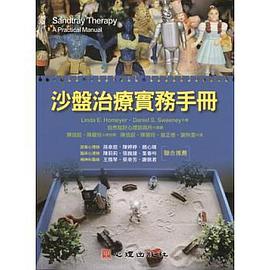
This book, "Sandbox Therapy: Arranging the World of the Heart," immediately caught my attention due to its intriguing and rather poetic title. The combination of "sandbox therapy" and "arranging the world of the heart" conjures images of a deeply personal and creative exploration of one's inner landscape. I've always been fascinated by alternative therapeutic approaches that move beyond traditional talk therapy, and this title suggests a method that is both tangible and deeply symbolic. I anticipate the book will delve into the philosophical underpinnings of sandbox therapy, exploring how a seemingly simple act of arranging miniature figures and objects in a sand tray can serve as a powerful conduit for understanding the complexities of the human mind. It’s the idea of externalizing internal states that I find particularly compelling. How does this process allow us to gain distance from our emotions, to observe them from a new perspective, and perhaps even to find resolution for issues that have been deeply ingrained? I'm hoping for a thorough explanation of the theoretical framework that supports this practice. Furthermore, the "arranging" aspect of the title implies a very active and deliberate engagement with one's inner world. It’s not just about observing what’s there, but about consciously choosing where to place things, how to connect them, and what meaning to imbue them with. I’m curious to know if the book will offer guidance on the types of figures and objects that are commonly used, and what symbolic significance they might hold. Will there be discussions on the role of different elements – the sand itself, the various miniatures, the empty space within the sandbox – in reflecting different aspects of the self and one’s experiences? The prospect of using sandbox therapy for self-discovery is incredibly exciting. I imagine it as a way to access parts of ourselves that might be difficult to articulate verbally. For individuals who struggle with expressing their emotions directly, or those who have experienced trauma that makes verbal recall challenging, a medium like sandbox therapy could be incredibly liberating. I'm looking forward to learning about how this method can help to unpack complex emotional baggage and foster a sense of empowerment. I also wonder if the book will touch upon the historical development of sandbox therapy, perhaps mentioning its origins or key figures who have contributed to its practice. Understanding the lineage of such a therapeutic modality can provide valuable context and deepen one’s appreciation for its evolution and refinement over time. It’s often the case that these methods are built upon a rich history of observation and experimentation. The very notion of a "world of the heart" suggests a universe of emotions, thoughts, and relationships that are unique to each individual. Sandbox therapy, as implied by the title, seems to offer a method for mapping out this internal terrain, identifying its contours, its landscapes, and perhaps even its hidden pathways. I’m eager to see how the book guides readers in constructing and comprehending their own personal "heart worlds." What interests me greatly is how sandbox therapy can facilitate healing. The act of creating a miniature world might allow individuals to confront difficult situations or relationships in a safe and controlled environment. By physically manipulating elements within the sandbox, one can experiment with different solutions, reenact past events with new outcomes, or simply find a sense of closure. I’m hoping for insights into the cathartic potential of this practice. Moreover, the title "Arranging the World of the Heart" also hints at the possibility of creative expression and artistic exploration. The process of building a sandbox scene can be inherently artistic, allowing for a unique form of self-expression that transcends conventional artistic mediums. I am keen to explore if the book addresses this creative dimension and how it contributes to the overall therapeutic benefit. The idea of a “world” also implies interconnectedness and relationships. I’m anticipating that the book might explore how sandbox therapy can illuminate an individual's relationship patterns, their social connections, and their sense of belonging. The way figures are placed in relation to each other within the sandbox could offer profound insights into the dynamics of one’s personal universe. In essence, "Sandbox Therapy: Arranging the World of the Heart" promises a journey into the fascinating architecture of our inner lives, guided by a practice that is both deeply psychological and inherently creative. I’m expecting a book that not only explains the "how" but also explores the profound "why" behind this evocative therapeutic approach.
评分The title, "Sandbox Therapy: Arranging the World of the Heart," immediately captured my imagination with its blend of the concrete and the deeply personal. I've always been drawn to therapeutic methodologies that offer a tangible, creative outlet for exploring the nuances of the human psyche, and the idea of constructing a "world" within a sandbox feels particularly evocative. It suggests a method that can externalize the intangible aspects of our inner lives, making them visible and more readily understood. I am particularly eager to immerse myself in the theoretical foundations of sandbox therapy as presented in this book. What are the underlying psychological principles that enable the arrangement of miniature figures and objects in a sand tray to serve as such a potent tool for self-discovery and emotional processing? I anticipate that the text will illuminate how this practice facilitates the externalization of unconscious thoughts, feelings, and past experiences, rendering them accessible for examination and transformation. The emphasis on "arranging" implies a deliberate and conscious act of imposing order and meaning upon one's internal landscape. The notion of "arranging" also highlights the active and participatory role of the individual in this therapeutic journey. It suggests a conscious engagement involving the selection and placement of specific items to represent various facets of their inner world. I am curious to learn about the symbolic significance attributed to different miniatures and objects commonly employed in sandbox therapy, and how the choices made by an individual can offer profound insights into their personal history, relational dynamics, and current emotional state. Furthermore, I am keen to explore the therapeutic benefits that sandbox therapy, as detailed in this book, can offer for emotional healing and personal growth. For individuals who find verbal expression challenging, perhaps due to trauma or inherent personality traits, this method might provide a safe and effective avenue for processing deeply embedded emotions and memories. The physical act of manipulating representations of one's inner world, and potentially even symbolically re-scripting difficult experiences, appears to be a powerful route towards catharsis and integration. The phrase "world of the heart" suggests a comprehensive mapping of an individual's emotional and psychological domain. I look forward to discovering how sandbox therapy can assist individuals in gaining a deeper understanding of their relational patterns, their core beliefs, and their overall sense of self. It seems like a method capable of illuminating intricate internal dynamics and fostering a more integrated and authentic sense of existence. I also anticipate that the book might offer practical guidance or illustrative examples of sandbox therapy in practice. While the title suggests a deeply personal journey, understanding the typical procedural steps, the potential role of a facilitator or therapist, and various approaches to interpreting the created "world" would significantly enhance my comprehension and appreciation of this therapeutic modality. The very concept of engaging with one’s psyche through a tactile and visually creative medium like a sandbox is inherently appealing. It provides a unique opportunity to connect with oneself on a deeper, more intuitive level, fostering a sense of playfulness and exploration that can be remarkably therapeutic. The synergy between sensory engagement and symbolic representation promises a rich and insightful experience. The idea of "arranging" also suggests the acquisition of agency and control over one's internal state. In a world that can often feel unpredictable, the capacity to consciously shape and organize a representation of one's feelings can be profoundly empowering. It points towards a pathway for actively cultivating a more balanced and harmonious internal environment. In essence, "Sandbox Therapy: Arranging the World of the Heart" promises an illuminating exploration into the complexities of human psychology, presented through a unique and engaging therapeutic approach. I expect a book that offers fresh perspectives on self-understanding and emotional well-being, highlighting the transformative power of creative expression in the healing process.
评分The title, "Sandbox Therapy: Arranging the World of the Heart," immediately resonated with me due to its deeply evocative and personal phrasing. It suggests a journey into the core of human emotion and experience, using a tangible and perhaps even playful medium. I’ve always been drawn to therapeutic approaches that offer a more intuitive and experiential way to understand ourselves, moving beyond purely cognitive or verbal methods. The imagery of a "sandbox" implies a contained, safe space where one can explore and organize the often-intangible aspects of their inner world. I am particularly eager to understand the underlying philosophy and methodology of sandbox therapy as detailed in this book. What are the fundamental psychological principles that enable the arrangement of miniature figures and objects in a sand tray to become a profound tool for self-reflection and healing? I anticipate that the book will elucidate how this practice allows individuals to externalize their thoughts, feelings, fears, and desires, thereby gaining a new perspective on them. The "arranging" aspect suggests a conscious and deliberate act of creating order and meaning within one's internal landscape. The title’s emphasis on "arranging" also intrigues me. It implies a process of active engagement, choice, and intentionality. I’m curious to learn about the significance of the specific miniatures used, their symbolic representations, and the rationale behind their placement within the sand tray. Does the book offer guidance on how to select these elements, or explore the meaning that individuals naturally ascribe to them? The idea of consciously constructing a miniature world that mirrors or comments upon one's inner state is fascinating. Furthermore, I am keen to discover how sandbox therapy, as presented in this book, can facilitate emotional healing and personal growth. For individuals who find it challenging to articulate their feelings verbally, or who have experienced trauma, this method could offer a powerful alternative for processing difficult emotions and experiences. The ability to physically manipulate representations of one's inner world seems like a pathway to catharsis, resolution, and a greater sense of integration. The phrase "world of the heart" suggests a comprehensive mapping of an individual's emotional and psychological territory. I am looking forward to learning how sandbox therapy can help individuals to gain a deeper understanding of their relational patterns, their core beliefs, and their overall sense of self. It seems like a method that could illuminate complex internal dynamics and foster a more holistic view of one's life. I also anticipate that the book might offer practical insights or examples that illustrate the application of sandbox therapy. While the title points to a deeply personal journey, understanding the typical process, the role of a therapist or facilitator, and various approaches to interpretation would greatly enhance my comprehension and appreciation of this therapeutic modality. The very notion of engaging with one’s inner world through a tactile and creative medium like a sandbox is inherently appealing. It offers a unique opportunity to connect with oneself on a deeper, more intuitive level, fostering a sense of playfulness and exploration that can be deeply therapeutic. The combination of sensory engagement and symbolic representation promises a rich and insightful experience. The concept of "arranging" also implies a sense of agency and control over one's internal state. In a world that can often feel overwhelming, the ability to consciously shape and organize a representation of one's feelings can be profoundly empowering. It suggests a path towards actively cultivating a more balanced and harmonious inner environment. In essence, "Sandbox Therapy: Arranging the World of the Heart" promises a profound exploration of the human psyche, presented through a unique and engaging therapeutic approach. I am expecting a book that offers new perspectives on self-understanding, emotional well-being, and the power of creative expression.
评分The title "Sandbox Therapy: Arranging the World of the Heart" immediately sparked my curiosity, conjuring images of a profound and visually rich exploration of the inner self. I’ve always been drawn to therapeutic modalities that offer a tangible, creative outlet for processing complex emotions and experiences, and the concept of building a "world" within a sandbox feels particularly compelling. It suggests a method that transcends purely verbal expression, allowing for a more intuitive and symbolic understanding of one’s psychological landscape. I’m particularly eager to delve into the theoretical underpinnings of sandbox therapy as presented in this book. What are the core psychological principles that enable this unique approach to facilitate self-discovery and healing? I anticipate the text will explain how the act of arranging miniatures in a sand tray serves as a powerful tool for externalizing unconscious thoughts, feelings, and experiences, making them accessible for examination and transformation. The "arranging" aspect implies a deliberate and conscious act of imposing order and meaning onto internal states. The emphasis on "arranging" is key for me. It suggests a process of active creation and intentionality, where the individual is not merely a passive observer but an active participant in shaping their inner world. I’m curious to learn about the significance of the diverse miniatures and objects typically used in sandbox therapy – what symbolic meanings do they hold, and how does the selection and placement of these items offer insights into an individual's personal history, relationships, and current emotional state? Furthermore, I am keen to understand how sandbox therapy, as detailed in the book, can contribute to emotional healing and resolution. For individuals who struggle with verbal articulation, or who have experienced trauma that makes direct communication challenging, this method could offer a vital pathway to processing difficult emotions and memories. The ability to physically manipulate representations of one's inner world, perhaps even to "rewrite" difficult experiences through this symbolic medium, seems incredibly potent. The phrase "world of the heart" suggests a holistic exploration of an individual's emotional and psychological domain. I’m looking forward to discovering how sandbox therapy can help individuals gain a deeper understanding of their relational patterns, their core beliefs, and their overall sense of self. It seems like a method that can illuminate intricate internal dynamics and foster a more integrated and authentic sense of being. I also anticipate that the book might offer practical guidance or illustrative examples of how sandbox therapy is implemented. While the title suggests a deeply personal and internal process, understanding the typical steps involved, the potential role of a facilitator or therapist, and various approaches to interpreting the created "world" would undoubtedly enrich my appreciation of this therapeutic modality. The very idea of engaging with one’s psyche through a tactile and visually creative medium like a sandbox is inherently appealing. It offers a unique opportunity to connect with oneself on a deeper, more intuitive level, fostering a sense of playfulness and exploration that can be incredibly therapeutic. The synergy between sensory engagement and symbolic representation promises a rich and insightful experience. The notion of "arranging" also hints at the acquisition of agency and control over one's internal life. In a world that often feels unpredictable, the capacity to consciously shape and organize a representation of one's feelings can be profoundly empowering. It suggests a pathway towards actively cultivating a more balanced and harmonious internal environment. In essence, "Sandbox Therapy: Arranging the World of the Heart" promises an illuminating journey into the depths of human psychology, presented through a unique and engaging therapeutic approach. I anticipate a book that will offer novel perspectives on self-understanding and emotional well-being, highlighting the power of creative expression in the healing process.
评分The title, "Sandbox Therapy: Arranging the World of the Heart," immediately resonated with me as it hints at a profoundly personal and creative approach to psychological exploration. I have always been drawn to therapeutic modalities that move beyond purely verbal interactions, seeking instead to engage with the symbolic and tangible aspects of human experience. The imagery of a sandbox as a space for constructing an inner "world" is particularly compelling, suggesting a method that allows for the externalization and organization of complex emotional landscapes. I am eager to delve into the theoretical underpinnings of sandbox therapy as presented in this book. What are the core psychological principles that enable the act of arranging miniature figures and objects in a sand tray to become such a potent tool for self-discovery and emotional processing? I anticipate the text will explain how this practice facilitates the externalization of unconscious thoughts, feelings, and past experiences, making them visible and more manageable. The emphasis on "arranging" implies a deliberate and conscious act of imposing order and meaning onto one's internal world. The notion of "arranging" also highlights the active and participatory role of the individual in this therapeutic journey. It suggests a conscious engagement, involving the selection and placement of specific items to represent various facets of their inner world. I am curious to learn about the symbolic significance attributed to different miniatures and objects commonly employed in sandbox therapy, and how the choices made by an individual can offer profound insights into their personal history, relational dynamics, and current emotional state. Furthermore, I am keen to explore the therapeutic benefits that sandbox therapy, as detailed in this book, can offer for emotional healing and personal growth. For individuals who find verbal expression challenging, perhaps due to trauma or inherent personality traits, this method might provide a safe and effective avenue for processing deeply embedded emotions and memories. The physical act of manipulating representations of one's inner world, and potentially even symbolically re-scripting difficult experiences, appears to be a powerful route towards catharsis and integration. The phrase "world of the heart" suggests a comprehensive mapping of an individual's emotional and psychological domain. I look forward to discovering how sandbox therapy can assist individuals in gaining a deeper understanding of their relational patterns, their core beliefs, and their overall sense of self. It seems like a method capable of illuminating intricate internal dynamics and fostering a more integrated and authentic sense of existence. I also anticipate that the book might offer practical guidance or illustrative examples of sandbox therapy in practice. While the title suggests a deeply personal journey, understanding the typical procedural steps, the potential role of a facilitator or therapist, and various approaches to interpreting the created "world" would significantly enhance my comprehension and appreciation of this therapeutic modality. The very concept of engaging with one’s psyche through a tactile and visually creative medium like a sandbox is inherently appealing. It provides a unique opportunity to connect with oneself on a deeper, more intuitive level, fostering a sense of playfulness and exploration that can be remarkably therapeutic. The synergy between sensory engagement and symbolic representation promises a rich and insightful experience. The idea of "arranging" also suggests the acquisition of agency and control over one's internal state. In a world that can often feel unpredictable, the capacity to consciously shape and organize a representation of one's feelings can be profoundly empowering. It points towards a pathway for actively cultivating a more balanced and harmonious internal environment. In essence, "Sandbox Therapy: Arranging the World of the Heart" promises an illuminating exploration into the complexities of human psychology, presented through a unique and engaging therapeutic approach. I expect a book that offers fresh perspectives on self-understanding and emotional well-being, highlighting the transformative power of creative expression in the healing process.
评分The title, "Sandbox Therapy: Arranging the World of the Heart," immediately piqued my interest due to its evocative and somewhat metaphorical nature. It conjures images of a deeply personal and artistic endeavor, one that seeks to externalize and organize the often-chaotic landscape of our inner lives. I’ve always been fascinated by therapies that utilize tangible mediums to access and process emotions, and the idea of a "sandbox" as a therapeutic tool is particularly compelling. I am very keen to explore the theoretical foundations presented in the book. What are the core psychological principles that allow a simple sand tray and an array of miniatures to become a powerful vehicle for self-discovery? I anticipate the book will delve into how this method facilitates the representation of unconscious thoughts, feelings, and experiences, making them visible and therefore more manageable. The concept of "arranging the world of the heart" suggests a process of bringing order to internal chaos, and I’m eager to understand how this is achieved through the guided placement of these symbolic elements. The title also implies an active, creative, and deliberate process. It’s not just about passive observation, but about the conscious act of "arranging." This suggests that the book will likely explore the significance of choices made by the individual – the selection of specific miniatures, their placement within the sandbox, and the overall composition of the created scene. I’m curious to learn about the potential symbolic meanings attributed to various objects and how these meanings can be interpreted in the context of an individual's unique inner world. Furthermore, I am particularly interested in the book's potential to offer insights into how sandbox therapy can facilitate healing and emotional resolution. For individuals who struggle with verbal expression, or who have experienced trauma that makes articulation difficult, this method might provide a safe and effective way to externalize and process deeply buried emotions or painful memories. The idea of physically manipulating representations of these experiences, perhaps even reenacting them with different outcomes, seems like a potent pathway towards catharsis and integration. The title’s reference to the "world of the heart" suggests a comprehensive exploration of an individual's internal universe – not just their immediate emotions, but also their beliefs, values, relationships, and past experiences. I am looking forward to understanding how sandbox therapy can help individuals to gain a more holistic understanding of themselves, to identify patterns in their lives, and to foster a greater sense of self-awareness and personal growth. I also anticipate that the book might provide practical guidance or examples of how sandbox therapy is conducted. While the title suggests a deeply personal journey, understanding the typical process, the role of the therapist (if applicable), and the various approaches to interpretation would greatly enhance my appreciation for the technique. Even if aimed at a general audience, practical insights are always valuable. The very idea of creating a miniature world within a sandbox is inherently fascinating. It offers a unique blend of creativity, introspection, and playfulness, which are all essential elements for well-being. I’m curious to see how the book explores the therapeutic benefits of this engaging and multisensory approach to self-exploration. The "arranging" aspect also points towards the potential for gaining control and making conscious decisions about one's inner life. In a world where we often feel powerless, the ability to consciously shape and organize a representation of our feelings can be incredibly empowering. It suggests a path towards actively constructing a more balanced and harmonious internal environment. The title’s evocative language promises a journey into the profound depths of human psychology, using a method that is both symbolic and deeply personal. I’m expecting "Sandbox Therapy: Arranging the World of the Heart" to be an insightful and transformative read, offering new perspectives on self-understanding and emotional well-being.
评分這本書的名字叫《箱庭療法 擺齣心世界》,我第一次看到這個名字的時候,就被深深吸引瞭。箱庭療法,光是聽起來就充滿瞭神秘和想象的空間,仿佛預示著一場心靈的探索之旅。我一直對心理學,尤其是那些能夠觸及內心深處、幫助人們理解自己的療法非常感興趣。《箱庭療法 擺齣心世界》這個名字,更是巧妙地結閤瞭“箱庭”的具象化過程與“心世界”的抽象內心,讓人忍不住想要一探究竟。 我猜想,這本書會帶領讀者進入一個由小小的沙盤和各式各樣精巧的模型構建起來的微縮世界。這個世界,不僅僅是一個玩具箱,更是一個承載著我們潛意識、情緒、記憶甚至願望的獨特空間。通過將內心的感受具象化,擺放在沙盤中,我們或許能夠以一種全新的、更直觀的方式去理解那些盤根錯節的心理睏擾。我腦海中浮現齣各種各樣的場景:有人可能會用小動物來代錶自己的不同情緒,有人可能會用象徵性的建築來描繪自己的人際關係,甚至有人可能會用抽象的物品來錶達那些難以言說的傷痛。 我特彆期待書中能夠詳細闡述箱庭療法的理論基礎,它究竟是如何運作的?為什麼一個簡單的沙盤能夠承載如此強大的心理療愈力量?是沙子本身的觸感,還是模型所代錶的象徵意義,亦或是擺放過程本身就蘊含著某種治療的機製?我希望這本書能夠深入淺齣地解釋這些原理,讓讀者不僅能夠體驗箱庭療法,更能理解其背後的心理學原理,從而在自我探索的道路上走得更遠。 Furthermore, the title itself, "Sandbox Therapy: Arranging the World of the Heart," suggests a process of active creation and arrangement. It's not just about passively observing, but about actively participating in shaping one's inner landscape. I envision the book guiding readers through the step-by-step process of creating their own "sandbox world." What materials are typically used? Are there any specific guidelines or techniques for selecting and placing the miniatures? Does the "why" behind each placement hold significance? I'm eager to learn about the practical aspects, perhaps even trying it out for myself after reading. I'm also curious about the diverse applications of sandbox therapy as potentially discussed in the book. Beyond individual therapy, could it be useful in couples counseling, family therapy, or even in educational settings to help children understand and express their emotions? The idea of using a tangible, visual medium to bridge communication gaps is incredibly appealing, especially for individuals who struggle with verbalizing their feelings. I anticipate the book might share case studies or examples of how sandbox therapy has been successfully applied in various contexts, offering inspiring insights into its versatility. Moreover, the phrase "Arranging the World of the Heart" implies a journey of self-discovery and personal growth. It suggests that by organizing and understanding our inner world, we can gain a clearer perspective on our lives, our relationships, and our future. I hope the book delves into how sandbox therapy can facilitate this process, perhaps by helping individuals identify patterns of thought and behavior, resolve internal conflicts, or even tap into their creative potential. It sounds like a profound and empowering approach to personal development. The aesthetic and tactile nature of sandbox therapy also fascinates me. The feel of the sand, the texture of the miniatures, and the visual arrangement all contribute to the therapeutic experience. I imagine the book would touch upon the sensory aspects, perhaps explaining how these elements can evoke certain emotions or memories. This sensory engagement might offer a unique pathway to accessing and processing feelings that are otherwise difficult to reach through purely cognitive means. I'm also keen to understand the role of the therapist in this process, as implied by the "therapy" aspect of the title. While the book may focus on self-application, understanding the therapist's guidance, interpretation, and the creation of a safe therapeutic space would be invaluable. Even if the book is aimed at a general audience, insights into the professional practice would deepen my appreciation for the technique and its potential benefits. The title also hints at the concept of "world-building" for one's inner self. This resonates with the idea that we all construct our own internal realities based on our experiences and perceptions. Sandbox therapy, as suggested by the title, seems to offer a method for consciously engaging with and perhaps even reconstructing these internal worlds, leading to greater self-awareness and emotional well-being. Ultimately, "Sandbox Therapy: Arranging the World of the Heart" promises a journey into the fascinating realm of the human psyche, using a creative and engaging methodology. I'm eager to discover how this unique therapeutic approach can offer new perspectives, foster self-understanding, and ultimately contribute to a more harmonious inner life. The evocative title alone has set high expectations for a insightful and transformative read.
评分The title "Sandbox Therapy: Arranging the World of the Heart" instantly captivated me with its poetic resonance and the promise of a unique exploration into the human psyche. I’ve always been intrigued by therapeutic approaches that engage with the sensory and symbolic realms, offering alternative pathways to understanding and healing. The imagery of a "sandbox" as a therapeutic space evokes a sense of containment, creativity, and a tangible representation of internal experiences, which I find particularly compelling. I am very eager to learn about the theoretical framework and core principles that underpin sandbox therapy as presented in this book. What psychological mechanisms allow the arrangement of miniature figures and objects within a sand tray to become a powerful tool for self-discovery? I anticipate the text will elucidate how this method facilitates the externalization of unconscious thoughts, feelings, and past experiences, making them visible and thus more amenable to processing and transformation. The "arranging" aspect suggests a deliberate and conscious act of imposing order and meaning upon one's internal landscape. The emphasis on "arranging" further suggests an active and participatory role for the individual. It implies a process of conscious selection, placement, and intentional creation, rather than passive observation. I’m curious to discover how the book explores the symbolic significance of various miniatures and their placement within the sand tray, and how these choices can offer profound insights into an individual's personal history, relational dynamics, and current emotional state. Moreover, I am keen to understand the therapeutic benefits that sandbox therapy, as detailed in this book, can offer for emotional healing and personal growth. For individuals who find verbal expression challenging, perhaps due to trauma or personality traits, this method could provide a safe and effective avenue for processing deeply ingrained emotions and memories. The physical act of manipulating representations of one’s inner world, potentially even re-scripting difficult experiences, seems like a powerful route to catharsis and integration. The phrase "world of the heart" evokes a comprehensive mapping of an individual's emotional and psychological terrain. I look forward to exploring how sandbox therapy can assist individuals in gaining a deeper understanding of their relational patterns, core beliefs, and their overall sense of self. It seems like a method capable of illuminating intricate internal dynamics and fostering a more integrated and authentic sense of existence. I also anticipate that the book might offer practical guidance or illustrative examples of sandbox therapy in practice. While the title points to a deeply personal journey, understanding the typical procedural steps, the potential role of a facilitator or therapist, and various approaches to interpreting the created "world" would significantly enhance my comprehension and appreciation of this therapeutic modality. The very concept of engaging with one’s psyche through a tactile and visually creative medium like a sandbox is inherently appealing. It provides a unique opportunity to connect with oneself on a deeper, more intuitive level, fostering a sense of playfulness and exploration that can be remarkably therapeutic. The synergy between sensory engagement and symbolic representation promises a rich and insightful experience. The idea of "arranging" also suggests the acquisition of agency and control over one's internal state. In a world that can often feel unpredictable, the capacity to consciously shape and organize a representation of one's feelings can be profoundly empowering. It points towards a pathway for actively cultivating a more balanced and harmonious internal environment. Ultimately, "Sandbox Therapy: Arranging the World of the Heart" promises an illuminating exploration into the complexities of human psychology, presented through a unique and engaging therapeutic approach. I expect a book that offers fresh perspectives on self-understanding and emotional well-being, highlighting the transformative power of creative expression in the healing process.
评分The title "Sandbox Therapy: Arranging the World of the Heart" immediately resonated with me, evoking a sense of deep introspection and creative expression. I have a long-standing fascination with therapeutic approaches that tap into the symbolic and tangible aspects of human experience, and the concept of using a sandbox as a tool for understanding the inner world is particularly intriguing. It suggests a method that can externalize complex emotions and experiences, making them more accessible for exploration and healing. I am particularly eager to delve into the theoretical underpinnings of sandbox therapy as detailed within this book. What are the psychological principles that allow for the arrangement of miniature figures and objects in a sand tray to become a potent vehicle for self-discovery? I anticipate the text will shed light on how this practice facilitates the externalization of unconscious thoughts, feelings, and past experiences, thereby rendering them visible and more manageable. The emphasis on "arranging" implies a deliberate and conscious act of imposing order and meaning upon one's internal landscape. The notion of "arranging" also highlights the active and participatory role of the individual in this therapeutic process. It suggests a conscious engagement, involving the selection and placement of specific items to represent various aspects of their inner world. I am curious to learn about the symbolic significance of different miniatures and objects commonly used in sandbox therapy, and how the choices made by an individual can offer profound insights into their personal history, relationships, and current emotional state. Furthermore, I am keen to explore the therapeutic benefits that sandbox therapy, as presented in this book, can offer for emotional healing and personal growth. For those who find verbal expression challenging, or who have experienced trauma that makes it difficult to articulate their feelings, this method might provide a safe and effective avenue for processing deeply embedded emotions and memories. The physical act of manipulating representations of one's inner world, and potentially even symbolically re-scripting difficult experiences, appears to be a powerful route to catharsis and integration. The phrase "world of the heart" suggests a comprehensive mapping of an individual's emotional and psychological domain. I look forward to discovering how sandbox therapy can assist individuals in gaining a deeper understanding of their relational patterns, their core beliefs, and their overall sense of self. It seems like a method capable of illuminating intricate internal dynamics and fostering a more integrated and authentic sense of existence. I also anticipate that the book might offer practical guidance or illustrative examples of sandbox therapy in practice. While the title suggests a deeply personal journey, understanding the typical procedural steps, the potential role of a facilitator or therapist, and various approaches to interpreting the created "world" would significantly enhance my comprehension and appreciation of this therapeutic modality. The very concept of engaging with one’s psyche through a tactile and visually creative medium like a sandbox is inherently appealing. It provides a unique opportunity to connect with oneself on a deeper, more intuitive level, fostering a sense of playfulness and exploration that can be remarkably therapeutic. The synergy between sensory engagement and symbolic representation promises a rich and insightful experience. The idea of "arranging" also suggests the acquisition of agency and control over one's internal state. In a world that can often feel unpredictable, the capacity to consciously shape and organize a representation of one's feelings can be profoundly empowering. It points towards a pathway for actively cultivating a more balanced and harmonious internal environment. In conclusion, "Sandbox Therapy: Arranging the World of the Heart" promises an illuminating exploration into the complexities of human psychology, presented through a unique and engaging therapeutic approach. I expect a book that offers fresh perspectives on self-understanding and emotional well-being, highlighting the transformative power of creative expression in the healing process.
评分Upon encountering the title "Sandbox Therapy: Arranging the World of the Heart," I immediately felt a sense of intrigue. The phrase itself evokes a powerful imagery of creating a tangible representation of one's innermost self. I've always been drawn to therapies that offer a more experiential and less purely verbal approach to understanding psychological states, and this title suggests precisely that. It hints at a method that allows for the externalization of complex internal dynamics, making them more accessible for exploration and processing. I am particularly eager to understand the fundamental principles that underpin sandbox therapy as presented in this book. How does the act of placing miniature objects in a sand tray translate into a deeper understanding of one's emotional landscape? What is the psychological significance of the sand itself, its texture, its containment? I suspect the book will elaborate on how these seemingly simple elements can act as powerful metaphors for various aspects of our lives, such as our relationships, our past experiences, and our future aspirations. The "arranging" aspect of the title is also quite significant. It implies a deliberate and conscious process of structuring one's inner world. This suggests that sandbox therapy is not merely about passively observing one's feelings, but about actively engaging in the process of organizing, shaping, and making sense of them. I’m curious to learn about the different types of miniatures that are commonly used in sandbox therapy and what symbolic meanings they might carry. Are there specific guidelines for selecting and placing these figures? I also anticipate that the book will explore the therapeutic benefits of this approach, particularly for individuals who find it challenging to articulate their feelings verbally. For those who have experienced trauma, or who struggle with emotional expression, sandbox therapy could offer a safe and non-threatening way to process difficult emotions and memories. The idea of being able to externalize these burdens, to see them represented physically, seems like a powerful step towards healing and integration. Furthermore, the title’s reference to the "world of the heart" suggests a comprehensive exploration of one’s internal universe. This includes not just emotions, but also beliefs, values, and relational patterns. I am keen to understand how sandbox therapy can help individuals to map out this internal terrain, identify areas of conflict or stagnation, and perhaps even discover new pathways for personal growth and self-discovery. I’m also interested in whether the book will offer practical guidance for individuals who wish to engage in sandbox therapy on their own, or at least to understand the process from a participant’s perspective. Even if it’s primarily aimed at professionals, insights into the experiential aspects of building a sand world would be incredibly valuable for general readers seeking to deepen their self-awareness. The potential for sandbox therapy to facilitate a sense of control and empowerment is another aspect that draws me in. In a world that can often feel overwhelming and uncontrollable, the ability to create and manipulate a miniature world can be profoundly grounding. It offers a space where one can exercise agency, experiment with different choices, and perhaps even find resolutions to long-standing issues. The title also hints at a more intuitive and creative form of understanding. It’s not just about intellectual comprehension, but about engaging with one’s inner world on a more visceral and sensory level. The tactile experience of working with sand and miniatures, combined with the visual aspect of the created scene, could unlock insights that might remain hidden through purely cognitive approaches. In essence, "Sandbox Therapy: Arranging the World of the Heart" promises a journey into the complex and fascinating landscape of the human psyche, utilizing a methodology that is both deeply profound and creatively engaging. I anticipate a book that offers a unique perspective on self-understanding and emotional well-being.
评分特彆的掏傢底。真誠如他本人。比他師傅的那本好看。薦。
评分課本,支持一下。真人的確真誠。
评分課本,支持一下。真人的確真誠。
评分課本,支持一下。真人的確真誠。
评分課本,支持一下。真人的確真誠。
相關圖書















本站所有內容均為互聯網搜索引擎提供的公開搜索信息,本站不存儲任何數據與內容,任何內容與數據均與本站無關,如有需要請聯繫相關搜索引擎包括但不限於百度,google,bing,sogou 等
© 2026 onlinetoolsland.com All Rights Reserved. 本本书屋 版权所有