

具体描述
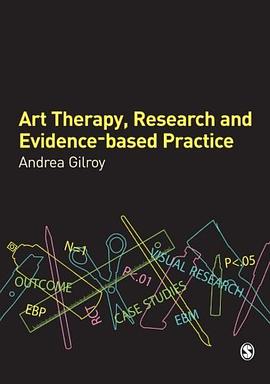
'This is an important and topical book coming at a time when there is growing pressure to show evidence of good practice, in order to reassure the prospective client, and to demonstrate financial accountability. It gives valuable guidelines and examples for art therapists. The book is innovative and inspiring, and the author's enthusiasm shines through. I end with the last line of this topical, readable, relevant book - one that encapsulates its content: 'We need the facts, we need the figures, but we need the stories and the pictures, too" - "Therapy Today".'This book makes a major contribution to the field of art therapy by reviewing, in an accessible and informed manner, the issues around the development of research-informed practice. The author offers an overview of different traditions of inquiry that will be of value to practitioners as well as those actually involved in carrying out research' - John McLeod, Tayside Institute for Health Studies, University of Abertay Dundee.'This impressive book is lively, inspiring and innovative. Andrea Gilroy's energetic enthusiasm for her subject is infectious. She breathes life into the topics of research and EBP. This rich exploration combines a rigorous investigation of the existing literature with intelligent, original and practical suggestions. A thorough, informative approach that challenges existing thinking. This is a must for art therapists - at last a book that places art at the centre of our evidence in a convincingly argued, accessible and rewarding read' - Professor Joy Schaverien PhD.Art Therapy around the world is under increasing pressure to become more "evidence-based". As a result, practitioners now need to get to grips with what constitutes "evidence", how to apply research in appropriate ways and also how to contribute to the body of evidence through their own research and other related activities. Written specifically for art therapy practitioners and students, "Art Therapy, Research & Evidence Based Practice": traces the background to EBP; critically reviews the existing art therapy research; explains the research process; links research with the development of clinical guidelines; and, describes the knowledge and skills needed to demonstrate efficacy.Drawing on her own experience as a researcher, practitioner and lecturer, Andrea Gilroy looks at the implications of EBP for art therapy and examines common concerns about the threat it may pose to the future provision of art therapy within public services. "Art Therapy, Research And Evidence-Based Practice" addresses issues which are critical to the future development and even the survival of art therapy. Combining insightful analysis with practical guidance and examples, this is an ideal resource for practitioners and for those in training. Andrea Gilroy is Reader in Art Psychotherapy at Goldsmiths, University of London.
作者简介
目录信息
读后感
用户评价
这本书给我的整体感觉是,它真正做到了连接“研究”与“实践”之间的那道鸿沟。太多专业的书籍要么是纯粹的学术论文堆砌,让人望而却步;要么就是过于注重技巧分享,缺乏扎实的实证支撑。而这本著作巧妙地找到了那个完美的平衡点。它详尽地介绍了如何设计和执行高质量的实证研究,从样本选择到数据分析的每一个细节都讲解得鞭辟入里,对于希望将自己的临床经验转化为可量化证据的实践者来说,简直是操作手册级别的指南。更让我惊喜的是,书中对新兴技术在艺术治疗中的应用也进行了前瞻性的探讨,比如虚拟现实技术如何被纳入表达性艺术的范畴,这为我们这些身处快速变化时代的治疗师提供了宝贵的创新思路。它不仅仅是在记录过去和现在,更是在积极地塑造这个领域的未来蓝图。读完后,我立刻感到自己手头的工作似乎拥有了更坚实的科学后盾,也更有信心去探索尚未被完全开发的治疗领域。
评分这本书的叙事风格极其迷人,它没有采用那种冷冰冰的、第三人称的客观陈述,而是融入了大量充满人情味的案例剖析,使得那些看似抽象的心理学概念瞬间变得鲜活起来。我特别喜欢其中关于创伤幸存者如何通过非语言媒介进行叙事重构的章节。作者似乎能洞察到那些言语无法触及的深层痛苦,并用文字描绘出色彩、纹理和形状如何成为通往内心世界的桥梁。这种对人类心灵脆弱性和韧性的深刻理解,使得整本书的阅读体验充满了敬畏感。它不仅仅是一本教科书,更像是一部深刻的人类精神状态的编年史,记录了人们如何在创造性的过程中寻找意义和掌控感。阅读过程中,我常常需要停下来,闭上眼睛,回味那些描述,思考我自己的过往经历或服务过的个案。这种强烈的代入感和反思驱动力,是许多其他专业书籍所不具备的特质。
评分说实话,这本书的学术严谨性是毋庸置疑的,但真正让我印象深刻的是它对于“循证实践”这一概念的哲学思辨。作者并未将“证据”仅仅局限于随机对照试验(RCT)的量化数据,而是非常具有前瞻性地扩展了证据的范畴,纳入了定性研究、现象学描述乃至治疗师的专业直觉和经验积累。这种包容性的视角,极大地拓宽了我们对“有效性”的认知边界。它提醒我们,艺术治疗的精髓在于其对个体独特体验的尊重,而过分强调单一标准的量化,可能会扼杀这种细腻而复杂的疗愈过程。书中对如何平衡科学的客观性与艺术的主观性进行了深入的探讨,为专业人士提供了一个极其成熟的思考框架。它鼓励我们在运用现有最佳证据的同时,也要勇敢地相信并系统地记录那些难以数据化的、但对来访者至关重要的瞬间。这本书无疑是引导我们进入一个更加成熟、更加多元化的艺术治疗新时代的指南。
评分这本书简直是为那些对艺术如何疗愈人心充满好奇的人量身定制的宝藏。我原本以为这会是一本枯燥的学术著作,充满了晦涩难懂的术语,但事实完全出乎我的意料。作者以一种极其细腻且富有洞察力的方式,将复杂的理论与鲜活的临床案例巧妙地编织在一起,读起来简直是一种享受。比如,书中对“心流”体验在艺术创作中的作用的探讨,那种描述仿佛能让人身临其境地感受到颜料在画布上流淌时,思绪如何被全然占据,焦虑如何悄然退去。不同于其他同类书籍那种高高在上的理论说教,这里的文字充满了人文关怀,让人感觉仿佛正在与一位经验丰富、充满智慧的导师进行私密的对话。特别是关于不同文化背景下艺术表达差异的章节,提供了非常开阔的视野,让我意识到艺术疗法并非一成不变的公式,而是需要根据个体和社会环境进行灵活调整的动态过程。这本书不仅仅是知识的传递,更像是一场关于人类情感和创造力的深度探索之旅,读完后,我对艺术的力量有了全新的、更深刻的理解。
评分我抱着极大的期待翻开了这本厚重的书籍,结果发现它在结构设计上真的下足了功夫,逻辑层次分明得令人称赞。初读时,你可能会被那些详尽的文献综述所震撼,它们严谨地梳理了该领域从萌芽到成熟的每一步脉络,仿佛在为整个学科搭建了一个坚不可摧的理论地基。然而,这种严谨并未牺牲可读性。紧随其后的章节,通过一系列精心挑选的研究实例,生动地展示了这些理论是如何在实际操作中开花结果的。我尤其欣赏作者在处理伦理困境时的坦诚与周到。面对艺术治疗中经常出现的边界模糊地带,书中没有提供简单的“是”或“否”的答案,而是引导读者进行批判性思考,权衡不同治疗路径的潜在风险与益处。这种鼓励独立思考的写作风格,对于正在进行专业训练的同行来说,无疑是无价之宝。它教会的不仅是如何“做”艺术治疗,更是如何“思考”艺术治疗的本质与未来方向。这本书的深度和广度,足以让它成为案头常备的参考书。
评分 评分 评分 评分 评分相关图书











本站所有内容均为互联网搜索引擎提供的公开搜索信息,本站不存储任何数据与内容,任何内容与数据均与本站无关,如有需要请联系相关搜索引擎包括但不限于百度,google,bing,sogou 等
© 2026 onlinetoolsland.com All Rights Reserved. 本本书屋 版权所有