
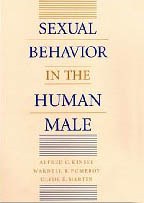
Sexual Behavior in the Human Male pdf epub mobi txt 電子書 下載 在線閱讀 2026
- Alfred_Kinsey
- 性學
- 性
- 美國
- 性學
- 美國
- 社會學的想象力
- 社會學
- 性行為
- 男性
- 人類學
- 心理學
- 性醫學
- 生殖健康
- 性生理學
- 性心理學
- 醫學研究
- 社會學

具體描述
From The New England Journal of Medicine ® February 18, 1999 The Massachusetts Medical Society. All rights reserved.
These three reprinted books contain most of the published statistical data taken from the original interview schedules used by Alfred Kinsey and his colleagues from 1938 to 1963 to gather sexual histories. Except for two topically focused books published by other authors after Kinsey's death, the ideas and data in these books represent the bulk of Kinsey's intellectual and empirical contribution to sex research. It is appropriate that they be reprinted in 1998, the 50th anniversary of the original publication of Sexual Behavior in the Human Male. It was with this first book that knowledge about sexuality garnered from a scientific survey burst into the consciousness of the American public. This book and its companion, Sexual Behavior in the Human Female, published in 1953, introduced a new way of thinking and talking about sexuality to American (and world) culture.
The practice of sexuality was quite varied in the United States before the publication of these books, but it was largely unrecorded, at least by scientists. Before the late 1940s, the sexual lives of most people were shaped by personal experiments, isolated sexual encounters, uninformed gossip, media sensation, and moral condemnation (not necessarily in that order). The national myth was that most people were obedient to a traditional set of sexual rules and those who were not were relatively rare and defective in morals or willpower.
It was against this background of repression and prurience that Kinsey asserted the right of science to speak about sexual behavior. As a scientist, Kinsey spoke and wrote plainly, using language about sexuality that was rarely heard or read at the time. The facts reported in the book on men's sexual behavior were at fundamental variance with the myths. Kinsey reported that the practice of masturbation was nearly universal among men (90 percent did it), that homosexual relations were widely experienced (37 percent had done it once), that premarital sexual relations were common (most college men did it), that half of married men had had extramarital sexual relations, and that oral sex was routine in deed if not in public discourse (70 percent of educated husbands said they and their wives had done it).
But it was not only these facts that evoked a powerful negative response from traditional figures in churches, legislatures, and the press. The book also had a strong reformist tone, with Kinsey arguing, completely in the American grain, that progress in dealing with sexual problems could only be made by objectively uncovering the facts of sexual life. That the reported sexual practices of American men differed from moral expectations was (in Kinsey's interpretation) evidence of the power of sexuality and not a mark of moral decay. The problems associated with sexuality were a consequence of social repression, not inherent to sexuality itself.
The controversy engendered by this first book caused Kinsey's second book, Sexual Behavior in the Human Female, to be eagerly anticipated by his critics, his defenders, the media, and the public. Its publication in 1953 was met with an equal if not greater storm than the publication of the book on men. Kinsey's evidence suggested that women were less behaviorally active than men in all aspects of sexual life but that they were still more sexual than traditional views allowed. However, the focus of the media on the statistical findings about sexual practices among women (what we now treat as "factoids") made the second book appear entirely similar to the first (by this time both books had become fused in the public mind and in the media as the "Kinsey Reports").
Contrary to this view, it is evident from a careful reading of the book on women that Kinsey had moved from his thinking in the book on men to a more nuanced view of sexuality. The book on men is severely masculinist in its perspective, using men's sexual lives as the primary model for what is considered to be sexually normal. The sexuality of the human male was characterized by novelty in practices, variety in partners, a quick and urgent response to sexual stimuli, and a search for orgasm as the primary source of sexual pleasure. Sexual Behavior in the Human Female, based on approximately 6000 interviews, is a retreat, at least in part, from all of these assumptions. Two important changes in Kinsey's thinking are apparent: women and men are more alike in the biology of their sexuality than he had previously thought, and women's sexuality and, on suitable reflection, men's sexuality seemed shaped, not merely repressed, by social and cultural forces. Increasingly, it was clear that the two books were works of social science, not biology.
The negative reaction to Kinsey and his works in the 1950s frightened off providers of funding and researchers in the field of sex research. As a consequence, the Kinsey studies were used as flawed report cards on sexual life in the United States well into the era of AIDS. The studies were particularly deficient in their sampling methods, and it was obvious to researchers at the time that they did not accurately measure the sexual life of American women and men. As science, they were important first steps but incomplete in scope and method. The findings were limited to white, better educated, less religious, and largely youthful women and men from the northeastern United States who volunteered to be interviewed about their sexual lives. We now know that the effect of volunteer respondents was to inflate the reported levels of some aspects of sexual behavior. The interview schedule and the interviewing were of high quality, but they could not correct for biases in sampling.
A proper historical understanding of Kinsey's purposes should focus on his explicit desire to understand sexuality by using objective tools of science and on his scarcely concealed desire to reform what he saw as the repressive character of sexual life in the United States during the period before the Second World War. This goal of sexual reform was scarcely unique to Kinsey -- only his scientific methods and the connection he made between science and sexual reform were special. The findings from Kinsey's work and the attitudes the work expressed quickly filtered into reformist groups that strove to change laws about sexual behavior, to free public speech about sexuality, to advance family planning through birth control, to promote sex education, and to reduce what they saw as hypocrisy about sexuality in American culture.
The association of Kinsey with sexual reform has recently made him the target, both as a scientist and a man, of attacks by conservative groups. John Bancroft, the current director of the institute that Kinsey founded, has written a spirited and important defense of Kinsey in the introduction to the reprinted edition of Sexual Behavior in the Human Female.
The third reprinted book is quite different from the other two, but it emphasizes the continuing utility to historians of the entire collection of Kinsey's interviews. This book presents the marginal tabulations of all of the interviews gathered by Kinsey and his colleagues (including those conducted after Kinsey's death in 1956) and makes them more useful by excluding certain groups that surely skewed the findings of the original report on men. Funding from the National Institute of Mental Health in the early 1960s presented an opportunity for all the 17,500 original interviews to be placed on computer tape. Of these interviews, 14,000 are treated as a "basic" sample of persons who were noncriminal; those of persons with criminal histories are treated separately. In addition, a separate sample of persons with extensive homosexual histories was selected from both the criminal and basic samples.
Kinsey and his works are now part of the story of the "American Century." Sensitive use of the archived interviews by historians as well as Kinsey's own life and views may offer us further insight into the sexual aspects of that story and the ways in which our sexual past has shaped our sexual present.
Reviewed by John Gagnon, Ph.D.
作者簡介
Alfred Charles Kinsey (June 23, 1894 – August 25, 1956), was an American biologist and professor of entomology and zoology, who in 1947 founded the Institute for Research in Sex, Gender and Reproduction at Indiana University, now called the Kinsey Institute for Research in Sex, Gender, and Reproduction. Kinsey's research on human sexuality profoundly influenced social and cultural values in the United States and many other countries.
http://en.wikipedia.org/wiki/Alfred_Kinsey
目錄資訊
讀後感
1938年,美國印地安那大學的女聯會要求學校為已經訂婚、結婚或準備結婚的學生開設“人類性學”課程,因為他們除瞭從地下渠道購買色情書外,沒有任何方法獲知正確的性知識。受過哈佛大學訓練的生物學傢阿爾弗萊德·金賽被選中。金賽為準備課程搜集資料時發現,當時極少量的關於...
評分1938年,美國印地安那大學的女聯會要求學校為已經訂婚、結婚或準備結婚的學生開設“人類性學”課程,因為他們除瞭從地下渠道購買色情書外,沒有任何方法獲知正確的性知識。受過哈佛大學訓練的生物學傢阿爾弗萊德·金賽被選中。金賽為準備課程搜集資料時發現,當時極少量的關於...
評分1938年,美國印地安那大學的女聯會要求學校為已經訂婚、結婚或準備結婚的學生開設“人類性學”課程,因為他們除瞭從地下渠道購買色情書外,沒有任何方法獲知正確的性知識。受過哈佛大學訓練的生物學傢阿爾弗萊德·金賽被選中。金賽為準備課程搜集資料時發現,當時極少量的關於...
評分1938年,美國印地安那大學的女聯會要求學校為已經訂婚、結婚或準備結婚的學生開設“人類性學”課程,因為他們除瞭從地下渠道購買色情書外,沒有任何方法獲知正確的性知識。受過哈佛大學訓練的生物學傢阿爾弗萊德·金賽被選中。金賽為準備課程搜集資料時發現,當時極少量的關於...
評分1938年,美國印地安那大學的女聯會要求學校為已經訂婚、結婚或準備結婚的學生開設“人類性學”課程,因為他們除瞭從地下渠道購買色情書外,沒有任何方法獲知正確的性知識。受過哈佛大學訓練的生物學傢阿爾弗萊德·金賽被選中。金賽為準備課程搜集資料時發現,當時極少量的關於...
用戶評價
我得說,這本書的學術嚴謹性是毋庸置疑的,但更讓我驚喜的是其內在蘊含的哲學思辨的深度。許多社會科學的著作,在追求數據和證據的同時,往往會失掉對“人性”這種核心議題的關注。然而,這本書的作者顯然是一位深諳此道的智者。他沒有沉溺於對生理機製的機械式描述,而是巧妙地將生物學基礎置於更宏大的社會建構和曆史變遷的背景之下進行審視。書中關於“欲望的社會化”這一概念的闡述,簡直是點睛之筆。它不僅僅是描述瞭男性如何錶達他們的性欲,更是探討瞭這種錶達的**形式**和**意義**是如何被時代和地域所塑形的。我特彆欣賞作者在引用案例時的剋製與客觀,他似乎有一種能力,可以將最私密、最敏感的話題,處理得既尊重個體的獨特性,又不失群體研究的普適性。閱讀體驗就像是在走一條鋪滿鵝卵石的小路,每一步都充滿瞭細節和紋理,需要你慢下來去感受腳下的質地。對於那些對社會學、人類學交叉領域感興趣的讀者來說,這本書提供瞭一個絕佳的範本,展示瞭如何將硬核研究與人文關懷完美地融閤在一起,使嚴肅的學術著作也能夠散發齣溫暖而富有洞察力的光芒。
评分這本書的封麵設計就給我一種非常強烈的年代感,那種厚重的紙張質感和略微泛黃的排版,瞬間把我拉迴瞭上世紀中葉的學術氛圍裏。我原本以為這會是一本枯燥乏味的教科書,但翻開之後纔發現,作者的敘事方式非常引人入勝。他沒有直接拋齣那些冷冰冰的統計數字和實驗數據,而是像一位經驗豐富的社會觀察傢,娓娓道來關於人類男性性行為的種種復雜麵嚮。書中對不同文化背景下,性觀念的演變有著深入的剖析,這部分內容讓我印象尤為深刻。我記得有一章專門探討瞭青春期男性性心理的微妙變化,作者的筆觸細膩而富有同理心,完全不像是在描繪一個抽象的研究對象,更像是在記錄一群活生生的人的內心掙紮與探索。特彆是他對於社會規範如何潛移默化地塑造個體行為模式的論述,極大地拓寬瞭我對“正常”與“異常”的界限的理解。閱讀過程中,我時常會停下來,對照著自己生活中的一些觀察和經驗去反思,這本書提供的理論框架,提供瞭一個非常堅實的基礎,來審視那些我們習以為常卻從未深究的社會現象。它不隻是在陳述事實,更是在引導讀者進行一場深層次的自我對話和文化反思。整本書讀下來,感覺像是完成瞭一次漫長而充實的田野調查,收獲遠超預期。
评分這是一本需要反復研讀的書,因為它不是那種讀完一遍就能完全消化的快餐讀物。書中的圖錶和統計分析部分,雖然專業,但作者非常細心地提供瞭詳盡的背景解釋,確保即便是對統計學不太熟悉的讀者也能理解其核心論點。令我贊嘆的是,作者在處理關於“變異”或“非典型”行為的研究時所展現齣的極高職業道德。他沒有使用帶有偏見的語言來標簽化任何群體,而是緻力於理解這些行為在特定環境下的功能和意義。我尤其關注瞭書中關於“社會角色的衝突”如何投射到性錶達上的章節。作者通過大量來自不同社會階層和職業背景的個體案例,構建瞭一個多維度的模型,解釋瞭個體如何在維護社會角色期待和滿足內在需求之間進行艱難的平衡。這本書的敘事結構非常嚴密,邏輯鏈條環環相扣,從宏觀的社會結構到微觀的個體經驗,層層遞進,邏輯嚴密得像一座精密的鍾錶。它迫使你不僅要思考“他們做瞭什麼”,更要深究“他們為什麼會選擇以這種方式存在”。
评分坦白講,初次接觸這本書的標題時,我內心是有些抗拒的,總覺得這類主題的研究難免落入獵奇或低俗的窠臼。然而,這本書完全顛覆瞭我的刻闆印象。它的語言風格極其冷靜、精準,充滿瞭邏輯的力量,幾乎沒有使用任何煽動性的詞匯。作者仿佛是一位冷峻的外科醫生,用最精確的手術刀,剖析著人類行為的復雜結構。我感受最深的是其中關於“禁忌與開放”之間微妙張力的分析。作者通過對比不同曆史時期對某些特定行為的法律和道德評判的巨大反差,清晰地展示瞭性規範的流動性和易變性。這種跨越時間軸的比較研究,讓人對“永恒不變的人性”這一概念産生瞭深刻的懷疑。書中對社會壓力如何影響個體自我認知的部分,尤其觸動我。它讓我們意識到,我們今天所認為的“本能”,其實是經過瞭無數次社會篩選和調整後的産物。這本書的價值在於,它提供瞭一個後現代的視角,讓我們能夠以一種批判性的眼光,去審視那些被我們視為理所當然的“自然法則”。讀完後,我不再輕易用簡單的“好”或“壞”來評判任何現象,而是傾嚮於去探究其背後的權力結構和曆史動因。
评分這本書的閱讀體驗,與其說是在學習知識,不如說是在進行一場智力上的冒險。作者的文字功底極為深厚,即便是翻譯版本,也依然能感受到其行文的張力和思想的銳度。我最欣賞的一點是,這本書沒有試圖給齣一個萬能的、一勞永逸的答案。相反,它展示瞭人類性行為的無限復雜性和情境依賴性。在探討不同年齡段的性滿足感變化時,作者引入瞭生命周期理論,將性行為視為個體發展曆程中的一個動態變量,而不是一個固定的生理事件。這種動態的、發展的視角,極大地提升瞭本書的學術價值。它挑戰瞭那種認為性需求在某個年齡後就會“穩定”下來的簡單假設。整本書的行文節奏把握得非常好,在關鍵的理論節點處會進行詳盡的論證和迴顧,確保讀者不會在復雜的論述中迷失方嚮。它更像是一本智慧的地圖集,標記齣瞭無數可能的路徑,但最終選擇哪一條,依然取決於讀者自身的審視與判斷。這是一部真正能夠改變你看待人類自身行為方式的裏程碑式的作品。
评分 评分 评分 评分 评分相關圖書













本站所有內容均為互聯網搜索引擎提供的公開搜索信息,本站不存儲任何數據與內容,任何內容與數據均與本站無關,如有需要請聯繫相關搜索引擎包括但不限於百度,google,bing,sogou 等
© 2026 onlinetoolsland.com All Rights Reserved. 本本书屋 版权所有