

具体描述
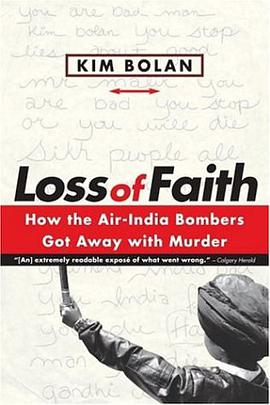
Riveting and shocking, Loss of Faith is essential reading for all Canadians.
On June 23, 1985, Canada found itself on the international terrorism map when two bombs built in B.C. detonated within an hour of each other on opposite sides of the world, killing 329 men, women, and children.
Canadian Sikh separatists, upset at the Indian government for attacking their religion’s holiest shrine, the Golden Temple, were immediately suspected by the RCMP of perpetrating the worst act of aviation terrorism before Sept. 11, 2001. But while police agencies scrambled to infiltrate a close-knit immigrant community and collect evidence against the suspects, the Canadian Security Intelligence Service was destroying taped telephone calls between the same people the RCMP was investigating.
For years those at the centre of the terrorist plot tried to protect their dark secret. Two Sikh newspaper publishers who overheard an alleged confession by one of the bombers were assassinated. Other potential witnesses were threatened and intimidated. Journalists who wrote about the suspects were targeted by death threats and harassment. The suspects founded charities and participated in political parties, attending fundraising dinners for premiers and prime ministers. And the families of the victims fought to be recognized for their unimaginable loss as the result of an act of terrorism plotted in Canada. When charges were finally laid against three Sikh separatists, the families believed justice was almost theirs. But their faith was shaken when one suspect pleaded guilty to manslaughter and got a five-year sentence for more than three hundred deaths.
The Air-India trial judge spoke in his ruling of the “the senseless horror” of the bombings. He called the plot “a diabolical act of terrorism” with “roots in fanaticism at its basest and most inhumane level.” He then acquitted Sikh leaders Ripudaman Singh Malik and Ajaib Singh Bagri on all charges, leaving the victims’ families reeling and the biggest case in Canadian history officially unsolved.
Kim Bolan is an award-winning investigative reporter who has covered the Air-India bombing case since the day Flight 182 went down off the coast of Ireland. Her work on the Air-India story has taken her to Punjab five times over the last twenty years where she met with militant Sikh separatist leaders and victims of the violence. She also followed Air-India mastermind Talwinder Singh Parmar to Pakistan before his 1992 slaying and chased down other suspects in England and across Canada. But she faced the most danger at home in Vancouver where the stories she uncovered about the Air-India case led to a series of death threats against her.
From the Hardcover edition.
作者简介
目录信息
读后感
用户评价
这本书的语言风格呈现出一种古典的、近乎诗意的疏离感,它像一块打磨了千年的玉石,触感温润却又冰冷坚硬。作者的遣词造句极为考究,即便是描述最日常的场景,也总能提炼出一种超越性的美感。我反复阅读了其中几段关于“记忆的碎片如何重塑现实”的段落,那些长句的结构复杂而又流畅,如同精心编排的乐章,每一层递进都恰到好处地积累情感张力。然而,这种高度的文学性也带来了一定的阅读门槛,初读时需要极大的专注力去捕捉那些隐藏在华美辞藻下的真实含义。它不像快餐文学那样直给,而是要求读者主动参与到意义的构建过程中。书中对“时间”的理解非常独特,它不是线性的流逝,而是像水波纹一样不断扩散和重叠,过去、现在、尚未发生的未来,在同一个句子中交织缠绕。这种处理方式,使得故事的最终走向充满了哲思,让人在合上书本后,依然在脑海中回响着那些充满韵律感的句子。
评分这部作品给我留下的最持久的感受是关于“希望的重量”。它不是那种轻易给予的、廉价的乐观主义,而是经过千锤百炼后,在废墟之上艰难生长出来的一株幼苗。书中描绘的困境是如此的真实和巨大,以至于任何形式的“好结局”都会显得虚假。作者高明之处在于,她没有提供一个圆满的句号,而是留下了一个开放式的、充满可能性的尾声。这个结局并不令人轻松,它更像是一种责任的转交——将如何看待接下来的人生,这个难题抛给了读者自己。我反复思考了最后几页的意象,那些关于“光线穿过裂缝”的描写,极富象征意义。它暗示着即使在最黑暗的时刻,我们依然拥有选择观看角度的自由。这本书成功地将一种宏大的存在主义困境,内化成了一个个鲜活的、充满血肉的人物经历,让“活着”本身,成为了最伟大的、也最沉重的胜利。
评分从结构上看,这部作品的精妙之处在于其非线性的叙事布局,它像一张复杂的挂毯,由无数看似不相关的线索编织而成,直到最后,所有的图案才猛然清晰起来。作者对“视角转换”的运用简直出神入化。我们时而被置于一个极度微观的视角,去感受角色指尖的颤抖;时而又被提升到一种上帝视角,俯瞰整个命运的齿轮如何缓慢而坚定地转动。这种跳跃性带来了极强的叙事冲击力,每一次视角的切换都像是揭开了一层面纱,让读者对已发生事件产生新的理解和反思。最令人印象深刻的是,书中并没有设置一个传统意义上的“大反派”,所有的冲突都源于角色自身的局限和环境的挤压,这种内生的矛盾比外来的压迫更具毁灭性。我猜测,作者花费了大量精力来平衡这些视角之间的信息量,确保既不会让读者感到迷失,又能维持住故事的复杂性。这无疑是一部需要细细品味,甚至需要做笔记来梳理人物关系和时间线的作品。
评分这本书最让我感到震撼的是它对“沉默”的描绘。很多时候,人物之间最关键的对话和情感的爆发,并非通过激烈的争吵完成,而是通过长时间的、令人窒息的沉默来体现。作者笔下的空白和停顿,比任何台词都更有力量。我能清晰地“听”到角色们在那些无声的时刻里,内心的海啸是如何翻腾的。这不仅仅是文学技巧,更像是一种深刻的生活体验的提炼。它探讨了那些我们无法言说、不愿面对的情感黑洞——爱、愧疚、无法弥补的遗憾。书中关于“失语”的主题贯穿始终,它让我想起现实生活中那些因为恐惧或骄傲而错失的沟通机会。阅读的过程,其实也是一个不断逼问自己的过程:如果是我,我会选择开口,还是选择沉默?这种强迫性的自我审视,使得这本书的阅读体验是深刻的、甚至是痛苦的,但正是在这种痛苦中,我们才能找到与自身最深层情感的连接点。
评分这本书的叙事节奏真是让人欲罢不能,作者似乎对人类心理的幽微之处有着近乎残酷的洞察力。开篇的场景铺陈极其细腻,那种压抑而又充满张力的氛围,仿佛能让人闻到空气中弥漫的尘土和焦虑。我尤其欣赏作者如何巧妙地运用环境描写来烘托人物内心的挣扎。比如,主人公在那个破败小镇上的每一次呼吸、每一次与他人的眼神交汇,都充满了潜台词。整个故事的基调是灰暗的,但灰暗中又时不时闪烁着人性深处微弱的光芒,让读者在感到窒息的同时,又忍不住想探究这份挣扎的终点究竟在何方。书中对社会阶层固化和个体命运抗争的描绘,虽然没有直接点明政治立场,但那种无声的控诉力量,比任何激烈的宣言都要来得震撼人心。读到一半时,我甚至不得不放下书,去街上走一走,呼吸一下新鲜空气,因为那种深入骨髓的疲惫感几乎要将我一同拉入故事的泥沼。这种将读者完全吸入叙事空间的能力,是许多作家穷尽一生也难以企及的境界。
评分 评分 评分 评分 评分相关图书














本站所有内容均为互联网搜索引擎提供的公开搜索信息,本站不存储任何数据与内容,任何内容与数据均与本站无关,如有需要请联系相关搜索引擎包括但不限于百度,google,bing,sogou 等
© 2026 onlinetoolsland.com All Rights Reserved. 本本书屋 版权所有