
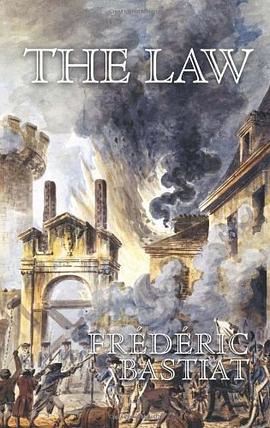

具体描述
How is it that the law enforcer itself does not have to keep the law? How is it that the law permits the state to lawfully engage in actions which, if undertaken by individuals, would land them in jail?
These are among the most intriguing issues in political and economic philosophy. More specifically, the problem of law that itself violates law is an insurmountable conundrum of all statist philosophies.
The problem has never been discussed so profoundly and passionately as in this essay by Frederic Bastiat from 1850. The essay might have been written today. It applies in ever way to our own time, which is precisely why so many people credit this one essay for showing them the light of liberty.
Bastiat's essay here is timeless because applies whenever and wherever the state assumes unto itself different rules and different laws from that by which it expects other people to live.
And so we have this legendary essay, written in a white heat against the leaders of 19th century France, the reading of which has shocked millions out of their toleration of despotism. This new edition from the Mises Institute revives a glorious translation that has been out of print for a hundred years, one that circulated in Britain in the generation that followed Bastiat’s death.
This newly available translation provides new insight into Bastiat’s argument. It is a more sophisticated, more subsantial, and more precise rendering than any in print.
The question that Bastiat deals with: how to tell when a law is unjust or when the law maker has become a source of law breaking? When the law becomes a means of plunder it has lost its character of genuine law. When the law enforcer is permitted to do with others’ lives and property what would be illegal if the citizens did them, the law becomes perverted.
Bastiat doesn’t avoid the difficult issues, such as why should we think that a democratic mandate can convert injustice to justice. He deals directly with the issue of the expanse of legislation:
It is not true that the mission of the law is to regulate our consciences, our ideas, our will, our education, our sentiments, our sentiments, our exchanges, our gifts, our enjoyments. Its mission is to prevent the rights of one from interfering with those of another, in any one of these things. Law, because it has force for its necessary sanction, can only have the domain of force, which is justice.
More from Bastiat's The Law:
Socialism, like the old policy from which it emanates, confounds Government and society. And so, every time we object to a thing being done by Government, it concludes that we object to its being done at all. We disapprove of education by the State — then we are against education altogether. We object to a State religion — then we would have no religion at all. We object to an equality which is brought about by the State then we are against equality, etc., etc. They might as well accuse us of wishing men not to eat, because we object to the cultivation of corn by the State.
How is it that the strange idea of making the law produce what it does not contain — prosperity, in a positive sense, wealth, science, religion — should ever have gained ground in the political world? The modern politicians, particularly those of the Socialist school, found their different theories upon one common hypothesis; and surely a more strange, a more presumptuous notion, could never have entered a human brain.
They divide mankind into two parts. Men in general, except one, form the first; the politician himself forms the second, which is by far the most important.
Bastiat concludes his penetrating analysis with this:
The social organs are constituted so as to enable them to develop harmoniously in the grand air of liberty. Away, then, with quacks and organizers! Away with their rings, and their chains, and their hooks, and their pincers! Away with their artificial methods! Away with their social laboratories, their governmental whims, their centralization, their tariffs, their universities, their State religions, their inflationary or monopolizing banks, their limitations, their restrictions, their moralizations, and their equalization by taxation! And now, after having vainly inflicted upon the social body so many systems, let them end where they ought to have begun — reject all systems, and try of liberty — liberty, which is an act of faith in God and in His work.
This special Mises Institute edition is priced for the largest possible distribution. Whether you buy one or one hundred, you can look forward to one of the most penetrating and powerful essays written in the history of political economy.
作者简介
Frédéric Bastiat was the great French proto-Austrolibertarian whose polemics and analytics run circles around every statist cliché. His primary desire as a writer was to reach people in the most practical way with the message of the moral and material urgency of freedom.
目录信息
How has this been accomplished?
The right to assistance, the poor man's plunder
Partial and universal plunder
Explaining plunder
Socialism confounds Government and society
Bossuet | Fenelon | Montesquieu | Rousseau | Raynal | Mably | Condillac | Saint-Just | Robespierre | Billaud Varennes | Lepelletier
What sort of liberty should be allowed to men?
What is law? What ought it to be?
I cannot avoid coming to this conclusion…
· · · · · · (收起)
读后感
用户评价
要我说,“The Law”这本书,它就好像是一面镜子,照出了我内心深处那些我可能都不曾察觉的角落。它不是那种读完就忘的轻松读物,而是会让你在合上书页很久之后,依然会时不时地在脑海中浮现出其中的某些场景,某些对话,某些人物的表情。我尤其对书中关于“选择”的探讨印象深刻。书中形形色色的人物,在命运的十字路口,他们做出了各自的选择,而这些选择,又深深地影响了他们的人生轨迹,乃至周围的世界。作者非常擅长通过细节来展现这种影响,比如一个微不足道的决定,可能在多年后引发一场巨大的变革。我喜欢这种“蝴蝶效应”式的叙事,它让整个故事充满了宿命感,也充满了偶然性。而且,书中对不同阶层人群的生活状态的刻画,也非常写实。那些在底层挣扎的普通人,他们的辛酸、他们的无奈、他们的希望,都被作者描绘得淋漓尽致。读到这些部分,我常常会感到一种强烈的共鸣,仿佛看到了自己,看到了我身边的人。
评分说实话,《The Law》这本书,一开始我看书名,以为会很枯燥,但读进去之后,我才发现它完全超出了我的预期。它让我看到了很多我从来没有想过的事情,也让我对很多事情有了新的看法。我喜欢书中的人物,他们每个人都有自己的故事,也都有自己的烦恼,而且都写得非常真实,让我感觉他们就像活生生的人一样。特别是书中对一些人物内心活动的描写,真的非常细腻,让我感觉自己好像也变成了他们,去感受他们的喜怒哀乐。我喜欢作者的处理情节的方式,那些看似不经意的小细节,往往在后面会起到很大的作用,让人觉得整个故事就像一个精密的机器,每一个零件都恰到好处。而且,这本书不仅仅是讲了一个故事,它还在试图让我们思考很多关于人生、关于社会的问题,让我觉得非常有收获。
评分当我拿起《The Law》这本书时,我并没有抱有太大的期望,但它却给了我一个巨大的惊喜。它不仅仅是一个关于法律的故事,更是一次对人性深渊的探索。我被书中那些充满智慧的对话和错综复杂的案件所吸引,但更让我着迷的是作者对人物内心世界的描绘。那些人物,他们不是简单的善恶二元对立,而是充满了人性的矛盾和挣扎。我看到了他们的无奈,他们的恐惧,他们的希望,以及他们在追求正义的过程中所付出的代价。我喜欢作者的叙事方式,他没有试图去简单地评判人物,而是让他们在故事中自然地展现自己的选择和命运。我常常被书中的某些情节所震撼,它们让我思考,在极端的情况下,人性能否保持纯粹?这本书也让我对法律有了更深的理解,它不仅仅是一套规则,更是一种在复杂社会中维护公平正义的工具。
评分《The Law》这本书,对我来说,不仅仅是一本书,更像是一场漫长的对话。我与书中的人物对话,与作者对话,也与我自己的内心对话。它并没有给我一个明确的结论,而是抛出了一个又一个值得深思的问题,让我不断地在阅读中寻找属于自己的答案。我尤其喜欢作者对人性的洞察,他并没有回避人性的阴暗面,而是以一种极其诚实的方式将其呈现出来。这种诚实,反而让我更加敬佩。书中的一些情节,让我感受到了人性的伟大,也看到了人性的渺小。我喜欢这种对比,它让整个故事更加丰富,也更加真实。而且,书中对社会问题的探讨,也让我对我们所处的时代有了更深的理解。它不仅仅是关于法律,更是关于我们如何在这个复杂的世界中生存。
评分“The Law”这本书,对我而言,更像是一次心灵的洗礼,一次对人性深处的探索。它不像市面上很多虚构作品那样,仅仅为了情节的跌宕起伏而堆砌戏剧冲突,而是更加注重人物的成长弧光和思想的蜕变。我常常被书中某些角色的内心独白所震撼,那种剖析自己、质疑自己的勇气,以及在迷茫中寻找真理的执着,都深深地打动了我。作者对于哲学命题的探讨,也并非是生硬的论述,而是巧妙地融入到故事情节和人物对话之中,让你在不知不觉中,开始思考关于公正、关于道德、关于存在的意义。我发现,随着阅读的深入,我对书中的很多人物的态度也发生了微妙的变化。起初可能因为他们的某些行为而产生抵触,但随着对他们过往经历的了解,对他们所处环境的认识,我开始能够理解,甚至产生同情。这种理解,是一种超越简单好恶的、更为深刻的共情。我喜欢作者的这种克制,他并没有试图去扮演一个审判者,而是提供了一个广阔的舞台,让读者自己去观察、去判断。而且,书中一些对于社会结构和权力运作的描绘,也让我对现实生活中的一些现象有了新的认识。
评分《The Law》这本书,说实话,一开始我被它沉重的题目吓到了,但读进去之后,我才发现它完全超出我的想象。它不是那种枯燥的说教,而是用一种非常引人入胜的方式,探讨了很多关于社会、关于人生、关于选择的问题。我喜欢书中的人物,他们各有各的性格,各有各的命运,而且都非常真实,仿佛就生活在我们身边。特别是书中对一些人物内心挣扎的描绘,真的写到了骨子里,让人读了之后,忍不住会去思考自己的人生。我尤其喜欢作者处理情节的方式,那些看似不经意的细节,往往在后面会起到意想不到的作用,让人觉得整个故事非常巧妙。而且,书中的语言也很有力量,有时候读起来会让人热血沸腾,有时候又会让人陷入沉思。我感觉这本书不仅仅是讲了一个故事,它还在试图让我们思考很多严肃的问题。
评分《The Law》这本书,我只能说,它给我带来了前所未有的阅读体验。它不是那种让你一目十行、快速翻过的书,而是需要你放慢脚步,细细品味。我被书中宏大的叙事和深刻的人物刻画所吸引,但更让我着迷的是作者对细节的把握。那些微不足道的描写,往往在后文中会产生巨大的影响,形成一个精巧的呼应。我喜欢作者的这种“草蛇灰线,伏脉千里”的写作手法,它让整个故事充满了惊喜和吸引力。而且,书中对社会问题的探讨,也让我对现实有了更深的认识。它并没有给出简单的答案,而是引导读者去思考,去辨析。我感觉这本书不仅仅是讲了一个故事,它还在试图让我们看到世界的复杂性,以及我们在其中所扮演的角色。
评分这本书,我断断续续地读了好几周,每次翻开它,都像走进了一个错综复杂却又充满魅力的迷宫。它不是那种让你一口气读完的快餐读物,而是需要你慢慢咀嚼,细细品味的。一开始,我被它宏大的叙事框架和那些令人敬畏的人物所吸引,他们仿佛是历史洪流中的巨石,塑造着时代的走向。作者的笔触非常细腻,对于人物内心的描摹,那些难以启齿的挣扎、隐秘的欲望,以及在权衡利弊下的艰难抉择,都刻画得入木三分。我常常会因为某个角色的命运而感到唏嘘,为他们的无奈而心痛,也为他们的坚持而鼓掌。书中对一些社会现象的探讨,也让我深思。它没有直接给出答案,而是抛出了一个又一个问题,引导读者去思考,去辨析。我尤其喜欢作者处理情节的方式,那些看似不经意的细节,往往在后文中会起到至关重要的作用,形成一个精巧的呼应。这种“草蛇灰线,伏脉千里”的写作手法,让我每次阅读都充满了惊喜。而且,书中的语言也极具感染力,时而铿锵有力,时而婉转低回,仿佛一首跌宕起伏的交响曲,将我带入其中,与书中的人物一同经历风雨。
评分《The Law》这本书,是一次让我非常深刻的阅读体验。它并没有给我提供现成的答案,而是像一位循循善诱的老师,引导我不断地去提问、去探索。书中对各种社会现象的观察,都非常敏锐且深刻,让我看到了许多我平时可能忽略的细节。我喜欢作者的叙事风格,他并没有刻意去渲染某种情绪,而是用一种冷静而客观的笔触,展现人物的命运和社会的变迁。这种风格反而让我更加沉浸其中,因为我感觉自己不再是旁观者,而是成为了故事的一部分。书中的一些人物,他们的选择和遭遇,让我对“命运”这个词有了新的理解。它不是一种注定的结局,而是在无数个选择叠加之后所形成的结果。而且,书中对权力运作的描绘,也让我对现实社会有了更深的警觉。
评分《The Law》这本书,我只能说,它是一次意想不到的惊喜。我原本以为它会是一部相对枯燥的法律题材作品,但事实证明,我的预期完全被颠覆了。作者以一种极为生动且富有张力的方式,将法律的逻辑、人性的复杂以及社会的多重面向巧妙地融合在一起。我完全沉浸在了故事之中,仿佛亲身经历着主人公们所经历的一切。那些错综复杂的案件,那些充满智慧的辩论,那些在黑暗中涌动的阴谋,都让我欲罢不能。更让我着迷的是,作者并没有将法律描绘成一成不变的冰冷规则,而是展现了它在现实社会中的灵活运用,以及它如何与人情、权力、道德等因素相互交织。书中的一些人物,他们的正直与狡猾,他们的善良与邪恶,都被刻画得如此真实,让你在赞叹的同时,也忍不住去思考,到底什么是真正的正义。我喜欢作者对真相的追求,以及他对于那些隐藏在表面之下的种种不公的揭露。
评分 评分 评分 评分 评分相关图书















本站所有内容均为互联网搜索引擎提供的公开搜索信息,本站不存储任何数据与内容,任何内容与数据均与本站无关,如有需要请联系相关搜索引擎包括但不限于百度,google,bing,sogou 等
© 2026 onlinetoolsland.com All Rights Reserved. 本本书屋 版权所有