

具体描述
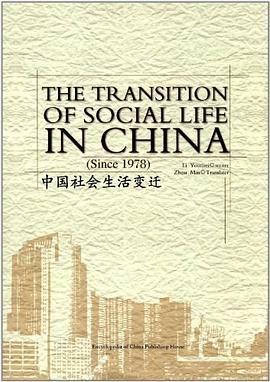
《中国社会生活变迁:自1978年以来》是自1978年来对社会生活的研究论证,力图突破表面,潜入深层,以探求中国政治发展的内在逻辑与形态。历史进程的理性回顾,改革实践的原理分析、重大政策的梳理归纳,经验模式的特征评析,理论创新的学科总结,且此书是英文系列书籍,内容均为英文。
作者简介
目录信息
Chapter One The Dialectical Relationship between Institution and Life
Section One The Research Perspective
Section Two Institution Construction Aiming at Disciplining Life
Section Three Institution Cannot Quite Arrange Life
Section Four Constructing a Beneficial Interaction between Institution and Life
Chapter Two Analyzing Autonomy with Social Theory
Section One The Multiple References of Autonomy
Section Two The Condition ofAutonomy
Section Three The Paradox of Autonomy
Chapter Three The Return and Restrictions of Autonomy
Section One Manifestation of Autonomy
Section Two The Paradox of Autonomy
Section Three Surpassing the Dilemma: Proposal of the Philosophy of Harmonious Society
Chapter Four The Structure of the Book
Part One Organizing the Society:The State Arrangement for the Structure of Life
Chapter One New Institution, New Society, and New Identification
Section One The Blueprint of Social Reconstruction after the Revolution
Section Two The Finalization of Institution and Generation of New Orders
Section Three Structure and Identity of the Totality Society
Chapter Two Disciplined Social Life
Section One Livelihood within the Logic of Redistribution:Socialist Welfare System
Section Two Equality and Inequality: Different Representations of Economical-Political-Social Status
Section Three "Movement" Becoming a Part of Life
Section Four Homogenization: The Declination oflndividuality
Section Five An Ascetic Way of Consumption and Life
Chapter Three The Secret Space of Autonomy
Section One The Behavioral Strategy of "People of the Working Units" : Hidden Movement of the Informal Network of Relationship
Section Two The Beehive like Structure: Space among the Work Units
Section Three Change of Identities: The Hidden Class Movement
Summary
Part Two The Loosening of "Certainty" : Experimental Reforms
Chapter One Opening up the Gap of "Society of Work Units"
Section One Doing All That Has Been Left Undone
Section Two "Loosening" and "Allowing" : Prelude of System of "Loosening"
Section Three The Overflowing of Free Floating Resources
Chapter Two Minor Adjustment of Class Relationship
Section One Transformation of the Pattern of Migration
Section Two The Turning Point of the Value of Knowledge: Rising of the Social Status of the Intellectuals
Section Three The Rise of the Standard of Career and Wealth: The Miniature of New Social Groups
Chapter Three Fanuly Life out of the Shadow of Politics
Section One Diversification of Family Economy: Reform of Relationship in Rural Families
Section Two Out of the Political Shadow: Reforms of Relationship in Urban Families
Chapter Four Revival of Freedom and Individuality
Section One Free Reading: New Enlightenment Movement
Section Two Between Ideal and Reality: Highlighting of Reflective Consciousness
Section Three Individuality out of Imitation: Fashion Life Far from Politics
Summary
Part Three The Weakening of Re-distribution System: Generation of Autonomy
Chapter One Radical Changes in Institution
Section One The End of Ticket Era: Farewell to the Economy of Shortage
Section Two Weakening of the System of Population Registration and Organization
Section Three System of Labor Contract: Breaking the " Iron Rice Bowl"
Section Four The Return of Community: Self Arrangement of Social Life
Chapter Two The Growth of a New Class
Section One Manual Workers Eaming More than Mental Workers: Loss of the Intellectual Group
Section Two Rise of the New Rich: Wave of Plunging into the Business Sea
Section Three Formation of a New Industrial Worker: Double Identities of Migrant Workers
Section Four White-Collars: Demonstrating a Life of Value and Taste
Chapter Three Coming of the Consumption Era
Section One Improvement of the Level of Consumption:Transformation from Quantity to Quality
Section Two Entertainment Consumption: Privatization and Industrialization
Section Three Luxurious Consumption: Fashion and Social Etiquette
Chapter Four New Trends in Families and Marriages
Section One Demonstration of the Space for the Self
Section Two The Trans-national Marriage:A Springboard
Section Three Facing the Loosened Marriage: "Forgiving" Extra-marital Affairs
Chapter Five Self Consciousness and Cultural Aphasia
Section One "Humanism": Appeal of Humanity
Section Two Realization of Self Value: The Fourth Generation
Section Three Cultural Aphasia: Mass Culture and Humanism
Summary
Part Four Opening and Mobility:Social Life in the Context of Market
Chapter One Further Release of the Power of the Market
Section One Inhibiting the "Overheated Economy"
Section Two Encountering "Insufficient Domestic Demand"
Section Three Entering the Global Trade System
Section Four "Marketization" of Social Life
Chapter Two Stratification of Classes: New Characteristics of the Social Structure
Section One Re-structuring the Society
Section Two The Burgeoning of New Stratum Consciousness
Section Three The White Collar Group: Stabilizers or
Chapter Three Further Generation of Autonomy: Power Consciousness and Social Engagement
Section One "New CeUs" in the Rising Society: Non-governmental Organizations
Section Two Awakening of Power Consciousness and Beginning of CiviIMovements
Chapter Four Shaping of the Era of Consumerism
Section One Farewell to Shortage: Drastic Changes in the Structure of Family Expenditure and Receipts
Section Two Excessive Consumption: Credit Changes Life
Section Three Differentiation and Diversification: Consumption Shaping Stratification
Chapter Five Way of Life in the Age of the Internet: Life in Virtuality
Section One Communication and Life in the Age of the Internet
Section Two Expression of Democracy via the Internet
Chapter Six Reform of Welfare System: Transforma- tion from the Release of the Market to Protection of the Society
Section One Marketization of Social Welfare System and Its Social Consequences
Section Two Reflections After the 16th National Congress of the CPC and Readjustment of Social Welfare System
Chapter Seven Loss of Identity and Effort at Identity Reconstruction
Section One Structural Changes in the Foundational Area of SocialIdentity
Section Two Way of Renovation to Reconstruct Identity
Summary
Part Five Harmony: The New Page in Social Construction
Chapter One Harmonious Society and New Consensus of Reform
Section One Intrinsic Logic of the Change of Consensus of Reform
Section Two Harmonious Society: New Consensus of Reform
Section Three Reform Consensus Renovated: Reconstruction
of Identity Value
Chapter Two Institutional Arrangements in the Construction of a Harmonious Society
Section One Constructing the Network of Social Security:Institutional Foundation of Harmonious Society
Section Two Adjusting the Mechanism of Social Interests:Relationship Mediation of Social Construction
Section Three Burgeoning of the Pattern of SocialGovernance: The Interior Process of Harmonious Society
Chapter Three Beginning of a Diversified and Harmonious Life
Section One Between Reality and Virtuality: Social Foundation of Diversified Life
Section Two Choice among Stratification: Autonomous Life
Section Three Building Harmonious New Life: Conformity of Value and Reconstruction of Order
Summar
Epilogue Reconstruction of the Autonomy of Nation State in the Context of Globalization
Chapter One New Issuess Raised by Globalization
Chapter Two Nation States in a Complicated Society
Chapter Three Nation States: Active Agents in the Context of Globalization
· · · · · · (收起)
读后感
评分
评分
评分
评分
用户评价
如果要用一个词来形容这本书带给我的感受,那就是“清醒的疼痛”。作者的文字具有一种令人不安的准确性,它揭示了在社会高速运转的表象下,那些被遗忘、被边缘化的人群或情感是如何被“挤压”出去的。书中对特定职业群体,比如那些在产业升级中逐渐消逝的手工艺人或底层劳动者的命运描摹,极具震撼力。那种近乎白描的手法,没有华丽的辞藻,却比任何控诉都更有力量,它将社会变迁的残酷性赤裸裸地展现出来。这种阅读体验是沉重的,它要求读者正视那些不那么“光彩夺目”的侧面,是那种读完之后,会让人久久不能平静,需要时间消化和自我和解的严肃作品。它不是提供答案,而是提供了一种更诚实地面对问题的勇气和工具。
评分这本书的叙事笔触犹如一位技艺精湛的织工,将无数细小的社会线索编织成一张厚重而又富有弹性的时代之网。我特别欣赏作者在描述社会群体心态变化时所采用的对比手法。例如,对改革开放初期那种“摸着石头过河”的集体冒险精神,与当下知识经济时代个体焦虑的对比,描绘得入木三分。那些关于职业选择、教育期望的段落,简直就是对当代中产阶级内心挣扎的精准画像。书中引用的那些鲜活的口述史料,更是为冰冷的社会学理论注入了温暖的人性温度,那些普通人的只言片语,汇聚成了这个时代最真实的“背景音”。它迫使我停下来,审视自己在这场巨大洪流中的位置,以及我们这一代人,究竟是继承了多少过往的荣光,又背负了多少未曾言明的重量。
评分这本书的文字里流淌着一种深沉的关怀,作者对于中国社会肌理的剖析,细致入微却又不失宏观视野。比如,书中对城市化进程中,老城区居民生活习惯的改变着墨甚多,那种从邻里互助到原子化家庭的过渡,描述得极其生动,让人仿佛能嗅到老式弄堂里的烟火气,也能感受到现代高楼大厦背后,人际关系的疏离感。作者没有简单地褒扬或贬低这种变迁,而是以一种近乎人类学家的冷静,记录下人们如何在新的结构下,重新构建他们的日常仪式和情感联结。特别是关于“时间观念”的章节,探讨了从农耕社会的日出而作到现代社会精确到分钟的时间管理,这种观念的冲突如何影响了个体的内心节奏,很有启发性。读完后,我感到自己对身边那些习以为常的生活细节,都有了全新的理解层次,不再是单纯的“看客”,而是参与到这场社会变迁的亲历者和反思者。
评分这本书的文字风格颇为典雅,夹带着一种老派学者的沉稳和对人文精神的坚守。它没有过多迎合当下流行的快节奏阅读习惯,而是提供了一种可以沉浸其中、细细咂摸的阅读体验。作者在探讨价值观念迁移时,非常擅长引用古典文学或哲学中的概念进行参照和对比,使得原本枯燥的社会变迁描述,多了一层历史的厚度和美学意蕴。比如,当谈到个体对“意义”的追寻时,作者巧妙地将现代人的精神困境与古代士大夫的处境进行了对话,这种跨越时空的对话,极大地拓宽了讨论的维度。读完后,我的脑海中似乎响起了一种低沉的、具有历史共鸣的“回响”,让人不禁沉思,我们所谓的“进步”,到底是以什么为代价换来的。
评分坦率地说,这本书的理论框架构建得非常扎实,但真正让我震撼的,是它对“日常性危机”的捕捉能力。作者似乎拥有一种近乎透视的眼光,能够穿透光鲜亮丽的经济数据,直达家庭内部的微观权力结构与情感流动。我印象最深的是关于“消费文化”如何重塑家庭关系的一章,书中分析了品牌符号如何取代传统礼教,成为维系亲情的隐形纽带,这种论述角度既犀利又极具现实感。这种写作风格非常果断,不拖泥带水,直击核心矛盾,阅读过程就像是进行一场高强度的思想体操,需要全神贯注地跟上作者的逻辑跳跃。对于那些习惯于宏大叙事的人来说,这本书提供了一个由下而上的、更为细腻和真实的观察视角,让人不得不承认,生活细节里藏着最深刻的社会真相。
评分对于年轻人来说算是认知中国社会的扫盲读物
评分对于年轻人来说算是认知中国社会的扫盲读物
评分对于年轻人来说算是认知中国社会的扫盲读物
评分对于年轻人来说算是认知中国社会的扫盲读物
评分对于年轻人来说算是认知中国社会的扫盲读物
相关图书












本站所有内容均为互联网搜索引擎提供的公开搜索信息,本站不存储任何数据与内容,任何内容与数据均与本站无关,如有需要请联系相关搜索引擎包括但不限于百度,google,bing,sogou 等
© 2026 onlinetoolsland.com All Rights Reserved. 本本书屋 版权所有