
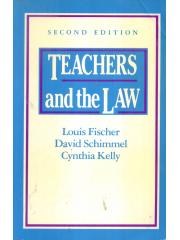

具体描述
Americans are a highly litigious people. This attitude is not a recent de-
velopment; well over one hundred years ago, a sensitive French visitor,
Alexis de Tocqueville, observed that in the United States of America all
issues become "sooner or later a subject of judicial debate."
Today s schools exist and function in the midst of a complex legal
environment, and it is difficult not to be aware of a wide range of legal
issues that influence the lives of teachers, students, parents, and admin-
istrators. It is increasingly clear that educators ignore the law at their
own peril! In fact, the U.S. Supreme Court ruled in 1975 that teachers
and administrators may be held personally liable in money damages for
violating students clearly established constitutional rights.
This book is about teachers and the law that affects them, law estab-
lished by state and federal statutes, constitutions, and court decisions.
This law will have little significance, however, unless educators know
about it and are willing to make the effort to see that it is carried out.
It is not the purpose of this book to encourage teachers to go to court.
On the contrary, its goal is to help resolve educational conflicts without
going to lawyers or resorting to courts. How? By helping teachers b~-
come legally literate--by providing them with information about the law
that affects them, about the way the legal system works, and about the
way this system can work for them in the public school. With this in-
formation, teachers can practice "preventive law." This does not mean
that they will be able to be their own lawyers but rather that they will
know their legal rights and responsibilities and will assume responsibil-
ity for educating other members of the school community about the law.
Underlying this premise is our belief that unlawful school practices are
generally not intentional but result from a misunderstanding of the law.
Because most school officials are anxious to avoid lawsuits, when teach-
ers are able to show that certain school policies are illegal, administrators
usually prefer to change them voluntarily rather than as the result of a
court order. In addition, we believe that students educational experi-
ences will be improved when all members of the school community dis-
play behavior that is consistent with basic constitutional principles such
as due process of law.
Why are educators so poorly informed about the law that affects
schools.~The answer may he in the fact that much of this law did not
作者简介
目录信息
读后感
用户评价
我很少对一本专业书籍给出如此高的评价,但这本确实做到了。它的最大亮点在于其前瞻性和适应性,它似乎总能比我们更早一步预见到教育领域可能出现的新法律挑战。例如,关于人工智能辅助教学的伦理和法律责任划分,书中已经有了一定程度的探讨,这对于处于技术变革前沿的教育者来说,简直是太及时了。作者没有回避那些棘手的、尚无定论的问题,而是提供了基于现有法律框架下的最佳实践路径。我个人最受益于它对“教师倦怠”与“法律压力”之间关联性的探讨,认识到长期处于法律合规的紧张状态对教师心理健康的影响,并提供了相应的法律支持和资源渠道。这本书的论证严谨又不失温度,它让我们意识到,法律并非是束缚教师的枷锁,而是保护我们专业自主权和学生受教育权利的有力盾牌。这是一本值得反复翻阅、常读常新的宝典,其价值远超出了购买价格本身。
评分我必须说,这本书的视角相当独特,它没有沉溺于宏大的教育理念,而是聚焦于教师与法律体系的交汇点上那些最琐碎、最容易被忽视的细节。阅读过程中,我时不时会停下来,对照自己学校的规章制度进行反思。比如,关于特殊教育需求学生(SEN)的法律责任部分,讲解得极其细致,涉及到评估过程的合规性、个性化教育计划(IEP)的执行标准,以及家长权利的保障,这些内容对于我们这些直接面对这些学生的老师来说,简直是雪中送炭。作者似乎非常理解一线教师的压力和困境,语气中充满了理解和支持,而不是高高在上的指责。我特别喜欢它对“合理预期”和“过失责任”这两个概念的辨析,用日常教学场景来举例,让人瞬间就能明白其中的法律风险所在。总而言之,它提供了一种全新的、法律赋权的视角来看待教师的工作,让我们明白维护自身权益和保障学生权益是相辅相成的,而不是对立的。
评分坦白讲,我最初拿到这本书时,担心它会是一本枯燥乏味、充满法律术语的参考手册,但事实完全出乎我的意料。作者的叙事风格非常引人入胜,仿佛在与读者进行一场深入而坦诚的对话。它不仅仅是一本关于“规避风险”的书,更是一本关于“如何更自信、更专业地开展教学”的指南。书中对“言论自由”在校园环境中的限制与保护的讨论,尤其让我印象深刻。它详细阐述了教师在发表个人观点和履行教学职责时的法律边界,避免了许多人容易陷入的“政治正确”和“职业规范”之间的灰色地带。此外,关于数据保护和学生记录的保密性要求,也更新了很多我之前不了解的最新法规动向。这本书的价值在于,它将冰冷的法律条文转化为一套可操作的行为准则,让教师能够更从容地应对复杂的校园生态。它无疑提升了我对自身专业角色的法律认知,是那种读完后,你会立刻想推荐给所有同事的实用型著作。
评分这本书简直是教育领域的一股清流,它以一种非常务实的态度,深入探讨了教师在日常工作中可能遇到的各种法律问题。我尤其欣赏作者对复杂法律条文的梳理和解释,完全没有那种生硬的法律教科书腔调,而是像一位经验丰富的同行在分享实战心得。读完之后,我感觉自己对“合理管教”的界限有了更清晰的认识,特别是关于学生隐私权和社交媒体使用的部分,这些都是现在学校里经常会引发争议的热点话题。书中提供的案例分析非常到位,每个案例都配有详尽的法律依据和处理建议,让我这个身处一线的人,在面对突发状况时,能多一份底气,少一些盲目焦虑。更重要的是,它不仅仅是告诉我们“不能做什么”,更强调了“如何预防和积极应对”,比如如何起草更完善的家长同意书,如何构建合规的课堂管理体系,这些都是实打实的干货,对于提升教师的专业素养非常有帮助。这本书的排版和结构也做得很好,关键信息一目了然,很适合繁忙的教育工作者随时查阅和回顾,绝对是教师职业生涯中不可或缺的工具书。
评分这本书的结构安排体现了极高的专业水准,它仿佛为我们勾勒出了一张清晰的“教师法律安全地图”。我尤其欣赏它对程序正义的强调,很多时候,法律纠纷的成败并不在于事实本身,而在于处理过程是否合规。书中对“通知与听证权”的讲解,就为我们提供了一套标准的流程模板,无论面对的是学生纪律处分还是教师自身的申诉,遵循这些程序总能让结果更站得住脚。它真正做到了从学校管理者的角度,去审视教师在各个环节的操作规范性。我注意到,书中对于“合理着装要求”和“课堂着装规范”的法律依据分析得非常透彻,这在很多学校都是一个长期存在的争议点。这本书用清晰的逻辑告诉我们,什么样的规定是基于教育目的的合理限制,什么样的规定可能侵犯了基本权利。这不仅仅是法律知识的普及,更是一种教育伦理与法律框架完美结合的体现,使人读后豁然开朗,对日常的决策制定大有裨益。
评分 评分 评分 评分 评分相关图书












本站所有内容均为互联网搜索引擎提供的公开搜索信息,本站不存储任何数据与内容,任何内容与数据均与本站无关,如有需要请联系相关搜索引擎包括但不限于百度,google,bing,sogou 等
© 2026 onlinetoolsland.com All Rights Reserved. 本本书屋 版权所有