
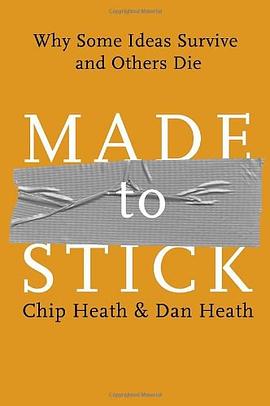

具体描述
Editorial Reviews
From Publishers Weekly
Starred Review. Unabashedly inspired by Malcolm Gladwell's bestselling The Tipping Point, the brothers Heath—Chip a professor at Stanford's business school, Dan a teacher and textbook publisher—offer an entertaining, practical guide to effective communication. Drawing extensively on psychosocial studies on memory, emotion and motivation, their study is couched in terms of "stickiness"—that is, the art of making ideas unforgettable. They start by relating the gruesome urban legend about a man who succumbs to a barroom flirtation only to wake up in a tub of ice, victim of an organ-harvesting ring. What makes such stories memorable and ensures their spread around the globe? The authors credit six key principles: simplicity, unexpectedness, concreteness, credibility, emotions and stories. (The initial letters spell out "success"—well, almost.) They illustrate these principles with a host of stories, some familiar (Kennedy's stirring call to "land a man on the moon and return him safely to the earth" within a decade) and others very funny (Nora Ephron's anecdote of how her high school journalism teacher used a simple, embarrassing trick to teach her how not to "bury the lead"). Throughout the book, sidebars show how bland messages can be made intriguing. Fun to read and solidly researched, this book deserves a wide readership. (Jan. 16)
Copyright © Reed Business Information, a division of Reed Elsevier Inc. All rights reserved.
From Booklist
Based on a class at Stanford taught by one of the authors, this book profiles how some ideas "stick" in our minds while the majority fall by the wayside. Urban legends, conspiracy theories, and compelling advertising make up much of the intrinsically interesting examples that the Heaths profile that qualify for "stickiness." This book explores what makes social epidemics "epidemic" and, as the Heaths cite from Malcolm Gladwell's Tipping Point (2000), defines the secret recipe that makes an idea viral. The principles of stickiness are examined--an unexpected outcome, lots of concrete details that we remember, emotion, simplicity, and credibility--all packaged in an easily told story format. Taking these five stickiness attributes, the book offers numerous examples of how these properties make up the stories we are all familiar with--the urban legend about kidney theft and the razor blades supposedly lurking in Halloween candy. Exercises, checklists, and other tools are sprinkled throughout the book to help the reader understand and test how stickiness can be applied to their ideas, whether they are teachers, parents, or CEOs. Gail Whitcomb
Copyright © American Library Association. All rights reserved
作者简介
奇普·希思(Chip Heath)现任斯坦福大学商学院组织行为学教授。现居于加州洛斯加托斯。
丹·希思(Dan Heath)奇普·希思的弟弟,杜克企业教育学院咨询师,前哈佛商学院研究员,Thinkwell新媒体教育公司创办人之一。现居于北加利福尼亚罗利市。
目录信息
1. Simple
2. Unexpected
3. Concrete
4. Credible
5. Emotional
6. Stories
Epilogue: What sticks.
· · · · · · (收起)
读后感
书是本好书,千万别误会,推荐阅读,但是请看英文版!!! 差点儿就要买实体书了(电子版的缺章节),但总觉得读起来有点儿累,好些句子要读个好几遍才明白啥意思,而且有的时候还因为缺乏逻辑关系,看得晕头转向的。 无奈,看了下英文版,没想到居然很好读!!!不知道那个...
评分前言 让创意富有黏性(你的创意能被理解和记住,以及具有持久的影响力,以改变受众的观点或行为。) 以一个“偷肾”的城市传说(城市传说总是以“一个朋友的朋友”或者看似拥有详实信息的主人公 开头)入手,提出然后能够培养出使人记住并重述的创意的问题。 再以“电影院爆...
评分 评分用户新增难做,维护老用户,增加复购现在显得越来越重要,下面4中策略可以有效提升复购率 ①搭建合理的会员体系:常见的做法如会员等级体系、会员尊享活动、积分换购、会员成长体系等等。 ②商品拥有权和消费权分离:最有效的用户忠诚就是质押,为用户有东西在你手里,又为了避...
评分书评——Make to Stick by Chip Heath & Dan Heath 呃,刚刚发现这本书有可能是一对夫妻写的。可以有这样一种共同经历实在很有趣。 读这本书之前一直有一个问题困扰着我,怎么才能表达好自己?不单单指演讲,更多是广义的传播。我以为我缺乏表达欲,偶尔还会有人群恐惧症,嘴...
用户评价
从《Made to Stick》这本书中,我学到的不仅仅是关于如何让信息更具吸引力,更重要的是,它帮助我理解了人类的认知和记忆机制。我一直认为,信息传递是一个单向的过程,但这本书让我明白,它其实是一个双向互动的过程,需要我们去了解接收者的思维方式和需求。书中关于“情感”和“故事”的结合,让我深刻地认识到,信息之所以能够被记住,是因为它触动了人们的情感,并以一种生动的故事形式呈现。我开始尝试将这种理念应用到我的人际交往中,比如在和朋友交流时,我不再只是单调地陈述事实,而是尝试用一些有趣的比喻和故事来分享我的感受,这样不仅让谈话更加愉快,也让对方更容易理解和记住我的想法。这本书的价值在于,它让我看到了信息传播的“人性化”一面,并教会我如何利用这种“人性化”的力量,来构建更有效、更有意义的沟通。
评分这本书《Made to Stick》的阅读体验,对我来说,更像是一次与作者们进行深度对话的过程。我发现,他们并非是在高高在上地讲授理论,而是用一种非常接地气的方式,通过一个个生动的故事和案例,引导我一步步地去理解那些“黏性”信息的奥秘。我特别喜欢书中关于“可信”原则的解析,它让我意识到,信息的说服力,很大程度上取决于其是否能够赢得听众的信任。而这种信任,并非凭空而来,而是需要通过具体的证据、鲜活的例子,甚至是权威的认证来建立。这让我反思,我在平时的沟通中,是否足够重视信息的“可信度”。很多时候,我们可能过于自信,认为自己的观点是正确的,但却忽略了为自己的观点提供扎实的证据。这本书就像一面镜子,照出了我沟通中的不足,也为我指明了改进的方向。它不只是让我学会了如何让信息“stick”,更是让我学会了如何更有效地去影响和说服他人。
评分拿到《Made to Stick》这本书,简直就像在信息爆炸的时代里,抓到了一根救命稻草。我一直觉得自己是个信息接收者,每天被海量的新闻、邮件、报告淹没,很多东西看过就忘,或者根本记不住。这本书的名字本身就很有吸引力,“Made to Stick”,直译过来就是“注定令人难忘”,听起来就像是解决我这个问题的金钥匙。翻开书的第一页,就有一种莫名的期待感,希望能找到一些切实可行的方法,让我能够更好地理解和记住我所接触到的信息。我尤其想知道,那些能够真正打动人心、让人过目不忘的故事或想法,究竟是如何产生的?它们背后有什么样的“秘密武器”?这本书会不会提供一套完整的理论框架,让我能够系统地学习如何创造出这样“黏性”十足的内容?我希望它不仅仅是理论的堆砌,更能有丰富的案例分析,让我能够看到这些原则是如何在现实世界中被应用的,比如在商业广告、公众演讲、教育教学等等各种场合。我还有点担心,如果书中的方法过于复杂或者难以实践,那可能就会让我感到失望。我希望它能用一种引人入胜的方式来呈现,就像它所倡导的那样,“Made to Stick”。总而言之,我带着一种混合着好奇、期待和一丝丝疑虑的心情,准备深入探索这本书所带来的精彩内容。
评分在我拿到《Made to Stick》这本书的时候,我正面临着一个棘手的项目,需要向一群非技术背景的领导层介绍一个非常复杂的技术概念。我当时非常焦虑,担心我的解释会过于晦涩,无法引起他们的兴趣。读了这本书,我简直就像找到了救星。书中关于“简单”原则的阐述,给了我巨大的启发。我意识到,问题的关键不在于技术本身的复杂性,而在于我如何把它“简化”,用他们能够理解的语言和比喻来呈现。我开始思考,这个技术的核心是什么?它的价值在哪里?我用了一个非常生动的类比,将复杂的系统比作一个高效的“自动化工厂”,并强调了它如何能够为公司带来切实的利益。结果令人惊喜,领导们不仅听懂了,而且对这个项目充满了兴趣。这本书让我明白,有时候,最深刻的洞察,往往藏在最简单的表达之中。它让我学会了如何用一种更有效的方式来构建和传递信息,从而更好地实现我的目标。
评分《Made to Stick》这本书,对我个人成长的影响是潜移默化的。我一直以来都觉得自己是个比较内向的人,不太擅长在人群中表达自己的想法。但是,读了这本书之后,我发现,原来让信息“stick”并不需要滔滔不绝的口才,而是需要掌握一些关键的技巧。比如,书中提到的“故事”原则,就让我看到了,通过讲述一个引人入胜的故事,我可以很自然地将自己的观点融入其中,并让听众更容易接受。我开始尝试在和朋友聊天时,用故事化的方式来分享我的经历和看法,收到的效果总是比我预想的要好。这本书给了我很大的信心,让我觉得,即使我不是一个天生的演讲家,我也能够通过学习和实践,掌握让信息“stick”的方法。它不仅仅是一本关于沟通的书,更是一本关于自我赋能的书,让我相信,每个人都有能力去创造那些令人难忘的时刻。
评分《Made to Stick》这本书,给我最大的启发在于,它让我重新审视了“沟通”的本质。我过去可能更注重信息的“量”,而忽略了信息的“质”。这本书就像一个放大镜,帮我聚焦到了那些真正能够穿透人心的要素。我发现,很多时候,我们费尽心思去传递信息,却收效甚微,根本原因在于我们的信息缺乏“黏性”,它就像水一样,流过人们的耳朵,却没有留下任何痕迹。作者们通过大量的例子,比如TED演讲的成功秘诀,或者一些经典的广告案例,清晰地展示了如何运用“简单、意外、具体、可信、情感、故事”这些原则,来构建一个能够被牢牢记住的信息。我尤其被那些关于“意外”的讨论所吸引,它提醒我,在信息泛滥的时代,打破常规、制造惊喜,是抓住人们注意力的最有效手段之一。这本书让我开始思考,我平时接触到的信息,有多少是“黏性”的,又有多少是“过眼云烟”。它不只是教我如何“说”,更是教我如何“让别人记住我说的话”,这对我来说,是质的飞跃。
评分《Made to Stick》这本书,对我而言,不仅仅是一本关于传播的书,更是一本关于如何与世界建立连接的书。我一直对那些能够深刻影响人们思想和行为的故事、想法感到好奇,而这本书,则为我揭示了其背后的运作机制。它让我明白了,那些“黏性”的信息,并非凭空出现,而是遵循着一定的规律。我尤其对书中关于“情感”的讨论产生了强烈的共鸣,它提醒我,人类的决策和记忆,很大程度上受到情感的驱动。当我们能够触动人们的情感时,信息就更容易被记住,也更容易引发共鸣。比如,在谈论一个社会问题时,如果只是堆砌冰冷的统计数据,可能很难引起人们的关注,但如果能讲述一个充满情感的故事,让人们感同身受,那么信息的力量就会成倍增长。这本书的价值在于,它让我从一个单纯的信息接收者,转变为一个能够主动创造“黏性”信息的参与者。它鼓励我去思考,如何让我的语言、我的想法,更有力量,更能打动人心。
评分《Made to Stick》这本书,对我来说,就像是一扇打开新世界的大门。我一直对那些能够流传千古的谚语、故事、经典广告感到着迷,但却从未深入思考过它们为何如此“黏性”。这本书,就为我提供了一套清晰的分析框架。我特别喜欢书中关于“意外”原则的剖析,它让我明白,打破常规,制造惊喜,是吸引人们注意力的重要手段。比如,我突然意识到,很多成功的营销活动,都巧妙地运用了“意外”的元素,让产品或品牌在众多竞争者中脱颖而出。这本书不仅仅是教会了我如何创造“黏性”信息,更重要的是,它培养了我对信息的洞察力,让我能够从“旁观者”变成一个“解构者”,去分析和理解信息背后的力量。这种能力,对于我在这个信息爆炸的时代里,更好地筛选和理解信息,非常有帮助。
评分拿到《Made to Stick》这本书,我最开始的兴趣点在于,它能不能帮助我提升工作中的表达能力。我常常会觉得,自己明明知道很多东西,但就是无法清晰、有条理地向别人传达,或者说,我的表达方式太平淡,无法引起对方的兴趣。这本书就像是为我量身定做的一样,它提供了一套非常实用的工具箱,让我能够拆解那些令人难忘的信息,并学习如何构建它们。书中对“具体”原则的阐述尤其让我印象深刻,它让我意识到,那些抽象的概念,只有通过具象化的描述,才能真正落地,才能被听众所理解和记住。比如,在解释一个复杂的技术原理时,我过去可能只会用一堆术语,但现在,我学会了用生动的比喻和场景来解释,这样一来,即使是不懂技术的人,也能大致理解其中的奥妙。这本书的价值在于,它不仅教会了我“怎么做”,更重要的是,它改变了我对“沟通”的看法,让我认识到,有效沟通的关键不在于信息有多么复杂,而在于它是否能够被听众所吸收和记住。
评分阅读《Made to Stick》的过程,对我来说,简直是一次思维的洗礼。我一直以为,那些能够引起共鸣、让人久久不能忘怀的信息,都依赖于某种神秘的天赋或者运气。但这本书,用一系列令人信服的案例和深入浅出的分析,彻底颠覆了我的认知。它揭示了那些“黏性”信息的背后,其实有着共同的、可学习的原则。我尤其喜欢书中提到的“SUCCESs”框架(简单、意外、具体、可信、情感、故事),这些词汇组合在一起,本身就充满了力量和想象空间。当我尝试将这些原则应用到我自己的工作和生活中时,我发现了一个惊人的转变。比如,在准备一次部门内部的汇报时,我不再只是罗列枯燥的数据和图表,而是尝试用一个与我们团队目标相关的“意外”故事开头,并强调那些“具体”的成果,让整个汇报变得生动有趣,同事们的反馈也比以往热烈得多。这本书的好处在于,它不是那种让你读完就束之高阁的书,而是会让你在生活的方方面面都能找到它的影子,并鼓励你去实践,去检验。它让我意识到,原来让信息“stick”并没有那么难,关键在于掌握正确的方法和视角。
评分非常实用,但越到后面养分也少,不过还是值得一读的
评分it's a wonderful book to guide you to enhance your memory and teach you to be a influential person!
评分Great book
评分简单,清晰,有逻辑。是需要别人buy in的沟通者所必备的良药。
评分其实写得很一般,噱头太多了,心理学描写的很好,五个concept很好,但偏见色彩浓郁,读来一笑罢了
相关图书



本站所有内容均为互联网搜索引擎提供的公开搜索信息,本站不存储任何数据与内容,任何内容与数据均与本站无关,如有需要请联系相关搜索引擎包括但不限于百度,google,bing,sogou 等
© 2026 onlinetoolsland.com All Rights Reserved. 本本书屋 版权所有