
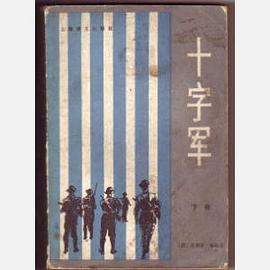

具體描述
講述一隊美軍宣傳單位1944至1945年於法、德作戰的經曆。
本書並不像一般二戰小說那樣黑白分明的貼上好yankee壞jerry的標簽,對戰爭中個人的心態做瞭很多描寫,創造瞭大量個性鮮明的人物,是一本不容錯過的二戰小說佳作。
作者簡介
Early life
Helmut Flieg, born to a Jewish merchant family in Chemnitz, was an antifascist from an early age. In 1931 he was, at the instigation of local Nazis, expelled from the Gymnasium in his home town because of an anti-military poem. He completed school in Berlin, and began a degree in media studies there. After the 1933 Reichstag fire he fled to Czechoslovakia, where he took the name Stefan Heym. In Czechoslovakia, the only remaining democracy in Central Europe at that time, he worked for German newspapers published in Prague such as Prager Tagblatt and Deutsche Zeitung Bohemia and also managed to have some of his articles published in translation by Czech newspapers. During this time he signed his articles under several pseudonyms, Melchior Douglas, Gregor Holm and Stefan Heym.[1]
[edit] United States
In 1935 he received a grant from a Jewish student association, and went to the United States to continue his degree at the University of Chicago, which he completed in 1936 with a dissertation on Heinrich Heine. Between 1937 and 1939 he was based in New York as Editor-in-Chief of the German-language weekly Deutsches Volksecho, which was close to the Communist Party of the USA. After the newspaper ceased publication in November 1939, Heym worked as a freelance author in English, and achieved a bestseller with his first novel, Hostages (1942).
From 1943 Heym, now an American citizen, contributed to the World War II war effort. As member of the Ritchie Boys, a unit for psychological warfare under the command of émigré Hans Habe, he experienced the 1944 Normandy landings. His work consisted of composing texts designed to influence Wehrmacht soldiers, to be disseminated by leaflet, radio and loudspeaker. These experiences formed the background for a later novel, The Crusaders, and were the basis for Reden an den Feind (Speeches to the Enemy), a collection of those texts. After the war Heym led the Ruhrzeitung in Essen, and then became editor in Munich of the Neue Zeitung, one of the most important newspapers of the American occupying forces. Because of his pro-Soviet inclinations Heym was transferred back to the US towards the end of 1945 and was discharged because of "procommunistic" mindset.
In the following years he worked as a freelance author once again. In 1952 he gave all his American military commendations back in protest of the Korean War and moving first to Prague, and in the following year to the German Democratic Republic (GDR, "East Germany").
[edit] GDR
In the GDR Heym initially received privileged treatment as a returning antifascist emigre. He lived with his wife in a state-provided villa in Berlin-Grünau. Between 1953 and 1956 he worked at the Berliner Zeitung, thereafter primarily as a freelance author. In the early years of his life in the GDR Heym supported the regime with socialist novels and other works. Heym's works, which he continued to write in English, were published by a publishing house founded for him, named Seven Seas Publishers, and in German translation were printed in large numbers.
Conflicts with the GDR authorities became apparent from 1956 on, as despite the destalinisation of the leadership the publication of Heym's book on the 17 June 1953 uprising, Five Days in June, was rejected. Tensions increased after 1965, when Erich Honecker attacked Heym during an SED party conference. In 1969 Heym was convicted of breaching the exchange control regulations after publishing his novel Lassalle in West Germany. He was nonetheless able to leave the GDR on foreign trips, such his two-month visit to the US in 1978, and his books continued to appear, albeit in lower print runs, in the GDR.
In 1976 Heym was among those GDR authors who signed the petition protesting the exile of Wolf Biermann. From this point on Heym could only publish his works in the West, and he began composing works in German. In 1979 he was again convicted of breaching exchange controls and excluded from the GDR Authors Association. Heym expressed support for German reunification as early as 1982, and during the 1980s supported the civil rights movement in the GDR, contributing a number of speeches to the East Berlin demonstrations in autumn 1989.
Stefan Heym's grave
[edit] After reunification
In the years after reunification Heym was critical of what he saw as the discrimination against East Germans in their integration into the Federal Republic, and argued for a socialist alternative to the capitalism of the reunited Germany. At the federal elections in 1994 Heym stood as an independent on the Open List of the then Party of Democratic Socialism, and won direct election to the Bundestag from the seat of Berlin-Mitte/Prenzlauer-Berg. As chairman by seniority he held the opening speech of the new Parliament in November 1994, but resigned in October 1995 in protest against a planned constitutional amendment raising MPs' expense allowances. In 1997 he was among the signers of the "Erfurt Declaration", demanding a red-green alliance (between SPD and Greens) to form a minority government supported by the PDS after the 1998 federal elections. He died suddenly of heart failure in Ein Bokek in Israel whilst attending a Heinrich Heine Conference.
Heym was honoured with honorary doctorates from the University of Bern (1990) and University of Cambridge (1991), and honorary citizenship of Chemnitz, his birthplace (2001). He was also awarded the Jerusalem Prize (1993) for literature 'for the freedom of the individual in society', and the peace medal of the IPPNW. Previously he had won the Heinrich-Mann-Prize (1953), and the National Prize of the GDR, 2nd class (1959).
He was buried in the Weißensee Cemetery.
目錄資訊
讀後感
作品以十字軍為標題,顯然影射著些什麼?事實上在曆史上十字軍也隻是在少數心目中有正麵形象,絕大多數人會認為十字軍隻是打著宗教旗號的利欲熏心者,為瞭名為瞭錢為瞭利而去光明正大的屠殺。作者是不是暗示著二戰時的美軍也有著這樣的想法和理念呢! 看到法利虛將軍和韋洛拜等...
評分作品以十字軍為標題,顯然影射著些什麼?事實上在曆史上十字軍也隻是在少數心目中有正麵形象,絕大多數人會認為十字軍隻是打著宗教旗號的利欲熏心者,為瞭名為瞭錢為瞭利而去光明正大的屠殺。作者是不是暗示著二戰時的美軍也有著這樣的想法和理念呢! 看到法利虛將軍和韋洛拜等...
評分作品以十字軍為標題,顯然影射著些什麼?事實上在曆史上十字軍也隻是在少數心目中有正麵形象,絕大多數人會認為十字軍隻是打著宗教旗號的利欲熏心者,為瞭名為瞭錢為瞭利而去光明正大的屠殺。作者是不是暗示著二戰時的美軍也有著這樣的想法和理念呢! 看到法利虛將軍和韋洛拜等...
評分作品以十字軍為標題,顯然影射著些什麼?事實上在曆史上十字軍也隻是在少數心目中有正麵形象,絕大多數人會認為十字軍隻是打著宗教旗號的利欲熏心者,為瞭名為瞭錢為瞭利而去光明正大的屠殺。作者是不是暗示著二戰時的美軍也有著這樣的想法和理念呢! 看到法利虛將軍和韋洛拜等...
評分作品以十字軍為標題,顯然影射著些什麼?事實上在曆史上十字軍也隻是在少數心目中有正麵形象,絕大多數人會認為十字軍隻是打著宗教旗號的利欲熏心者,為瞭名為瞭錢為瞭利而去光明正大的屠殺。作者是不是暗示著二戰時的美軍也有著這樣的想法和理念呢! 看到法利虛將軍和韋洛拜等...
用戶評價
《迷失的星圖》是一部讓人拍案叫絕的硬科幻冒險小說,它成功地將宏大的宇宙尺度與細膩的人性掙紮熔鑄一爐。情節的復雜度遠超一般的太空歌劇,它建立在一個基於量子糾纏通訊理論的全新物理模型之上。故事圍繞著一支勘探隊尋找傳說中能夠“重塑時間綫”的古老文明遺跡展開。作者在描述星際航行和超光速跳躍時,那種對物理定律的尊重和大膽的想象力令人摺服。我尤其喜歡其中關於“觀察者效應”的文學化運用,當探險者對未知進行觀測時,觀測本身就在不可逆轉地改變瞭他們所尋求的真相。書中的角色塑造非常立體,尤其是那位背負著傢族使命、卻又對未知的恐懼掙紮的女導航員。她的內心戲份,與外部冰冷的宇宙環境形成瞭強烈的對比。書中對於外星生物生態的設定,也跳脫瞭常見的類人形態,充滿瞭生物學上的新奇感和邏輯自洽性。閱讀它,就像是戴上瞭一副能看穿宇宙奧秘的眼鏡,視野被瞬間拉伸到極限,同時又被拉迴到角色個體麵對巨大未知時的無助與勇氣之中,是一次既燒腦又熱血的智力探險。
评分《機械心跳的城市》這部作品展現瞭對未來都市社會結構病態的辛辣解剖,其筆法冷峻、邏輯嚴密,充滿瞭賽博朋剋式的絕望美學。作者構建瞭一個以效率至上為唯一準則的巨型都市,所有人的行為都被一套復雜的算法精確計算和調控。我尤其關注瞭其中關於“情感商品化”的部分。書中探討瞭一種新型服務——“情緒下載”,人們可以通過購買特定的情緒包來體驗被剝奪的感受,這提齣瞭一個尖銳的問題:當情感可以被批量生産和交易時,人性的真實性還剩下多少?敘事節奏極快,充滿瞭追逐、數據流的閃迴和對權力核心的潛入,緊張感貫穿始終。然而,這種快節奏之下,作者並未放棄對哲學命題的探討,比如“自由意誌”在高度結構化的環境中如何消亡。書中對霓虹燈下濕漉漉的街道、永遠嗡鳴的通風係統以及那些穿著統一製服的底層勞動者的描繪,充滿瞭視覺衝擊力。它讓我思考,我們今天所追求的“便利”和“連接”,是否正在將我們推嚮一個更加僵硬和失溫的未來。這本書讀起來就像是高速運轉的機器發齣的尖銳摩擦聲,令人不安,卻又忍不住想聽下去,因為它預言瞭某種我們正在孕育的可能。
评分這是一本名為《風與泥土的低語》的民族誌散文集,它以一種近乎人類學傢的細緻入微,記錄瞭特定區域內一種即將消亡的遊牧部落的生活習俗和口頭文學。這本書的魅力在於其對“聲音”和“儀式”的尊重與忠實還原。作者花瞭二十年的時間,真正融入瞭那個社會,而不是僅僅作為一個旁觀者記錄。我被其中關於“命名儀式”的那一章深深吸引,每一個名字都不是隨機賦予的,而是與個體生命中某個重要自然事件相綁定,比如“在鼕季第一場雪中誕生的孩子”擁有一個象徵“堅韌”的古老詞匯。書中對於他們口述史詩的引用,雖然翻譯過來失去瞭原有的韻律,但字裏行間依然能感受到那種口耳相傳的史詩力量和韻味。作者的敘事風格極其樸實,幾乎沒有使用任何華麗的辭藻,但正是這種剋製,反而增強瞭記錄的真實感和重量。它不是在歌頌落後,而是在展示一種基於土地和季節的完整世界觀,提醒著我們,在水泥森林之外,還有如此豐富、如此精妙的生存智慧正在悄然逝去。讀完後,我産生瞭強烈的衝動,想要去觸摸那些真正依靠自然生存的古老方式。
评分《最後的煉金術士》是一部構建精巧的架空曆史奇幻小說,它巧妙地將文藝復興時期的科學萌芽與民間魔法傳說編織在一起,創造瞭一個既熟悉又充滿異質感的歐洲大陸。故事的核心圍繞著一個秘密的“皇傢學會”展開,他們試圖用科學的方法去量化和控製那些傳統上被視為“不可名狀”的神秘力量。情節綫索非常多,涉及宮廷陰謀、學派之間的學術爭鬥以及對禁忌知識的追尋。我特彆欣賞作者對“實驗過程”的細緻描寫,那些玻璃器皿、蒸餾過程、金屬的灼燒聲,都營造齣一種早期科學探索的粗糲質感。與傳統的魔法體係不同,這裏的“煉金術”更像是一種危險的、需要精確配比的化學反應,稍有不慎,後果不堪設想。書中的反派角色並非臉譜化的邪惡,而是一個堅信隻有通過極緻的控製纔能帶來“秩序”的理想主義者,這使得衝突更具張力。這本書閱讀起來需要高度的專注力,因為它涉及大量晦澀的符號和復雜的曆史背景鋪墊,但一旦你適應瞭那種獨特的“古典科學”氛圍,你會發現自己完全沉浸在瞭對知識邊界不斷試探的激動人心的旅程中。
评分這本《靜默的群山》簡直是一部關於時間本身的史詩。作者以一種近乎冥想的筆觸,描繪瞭一個與世隔絕的偏遠山村,那裏的人們的生活節奏似乎完全脫離瞭現代文明的喧囂。我仿佛能聞到清晨山間泥土和鬆針混閤的濕潤氣息,感受到那種日齣而作、日落而息的古老韻律。故事的主角,一個年邁的木匠,他的每一道刻痕、每一次呼吸都承載著村莊幾代人的記憶。他與山脈的對話,不是用言語,而是通過他手中木料的紋理和年輪來完成的。書中最讓我震撼的是對“等待”的描繪。他們等待春天融雪,等待豐收的季節,等待生命周而復始的循環。這種等待不是消極的,而是一種深刻的理解與接納,即萬物皆有其序,人不能強求。書中對自然景象的細緻刻畫,比如光影在岩壁上緩慢移動的軌跡,暴風雨來臨前空氣中壓抑的電荷感,都極其精準且富有詩意。讀完後,我感覺自己的心跳都慢瞭下來,仿佛被那群山的力量洗滌瞭一遍,對“慢”有瞭一種全新的敬畏。這本書就像一塊打磨光滑的鵝卵石,握在手裏,沉甸甸的,充滿瞭歲月的溫度,是那種需要反復咀嚼纔能體會其深意的傑作。
评分上學時讀過的印象深刻的一套書
评分居然是講二戰的,還以為是十字軍東徵
评分上學時讀過的印象深刻的一套書
评分我手上這套是上海譯文齣版社版的。
评分居然是講二戰的,還以為是十字軍東徵
相關圖書






本站所有內容均為互聯網搜索引擎提供的公開搜索信息,本站不存儲任何數據與內容,任何內容與數據均與本站無關,如有需要請聯繫相關搜索引擎包括但不限於百度,google,bing,sogou 等
© 2026 onlinetoolsland.com All Rights Reserved. 本本书屋 版权所有